
Last updated November 15, 2026
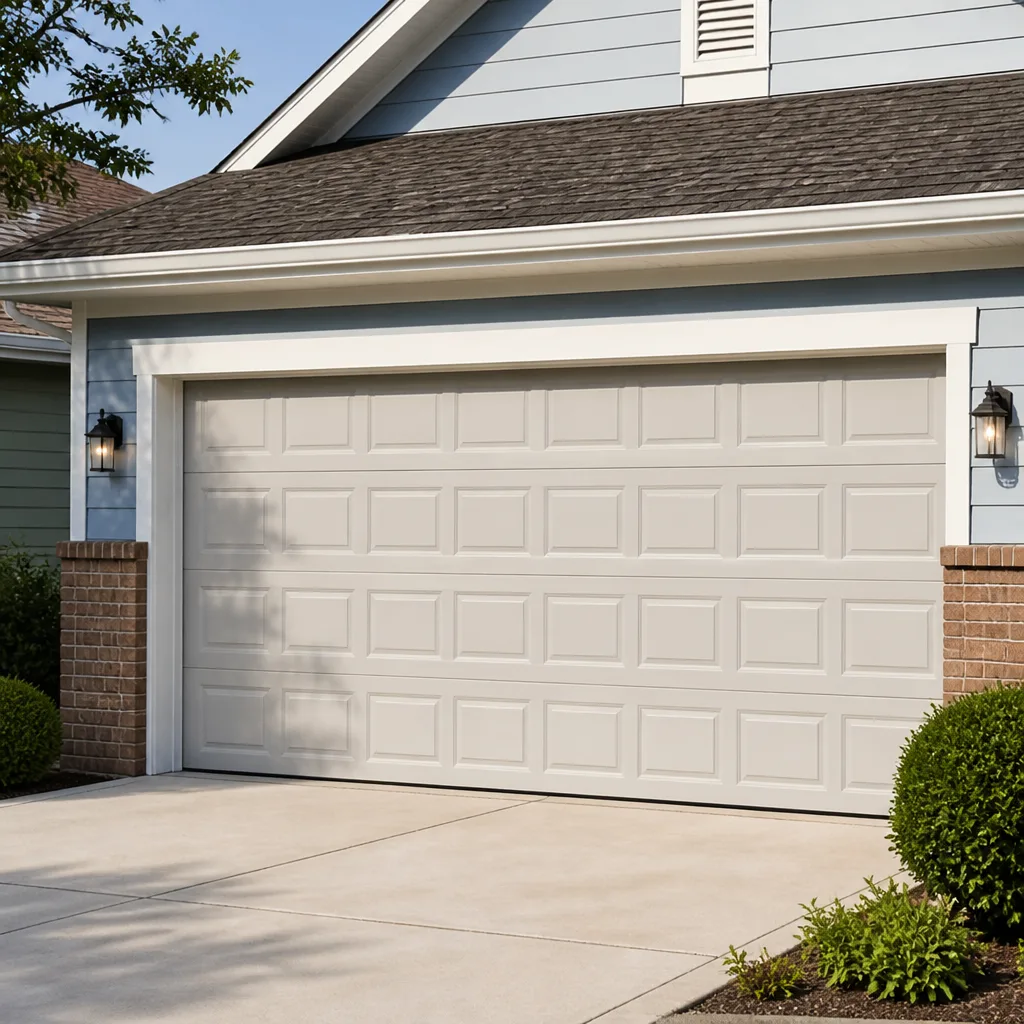 Raised-panel steel
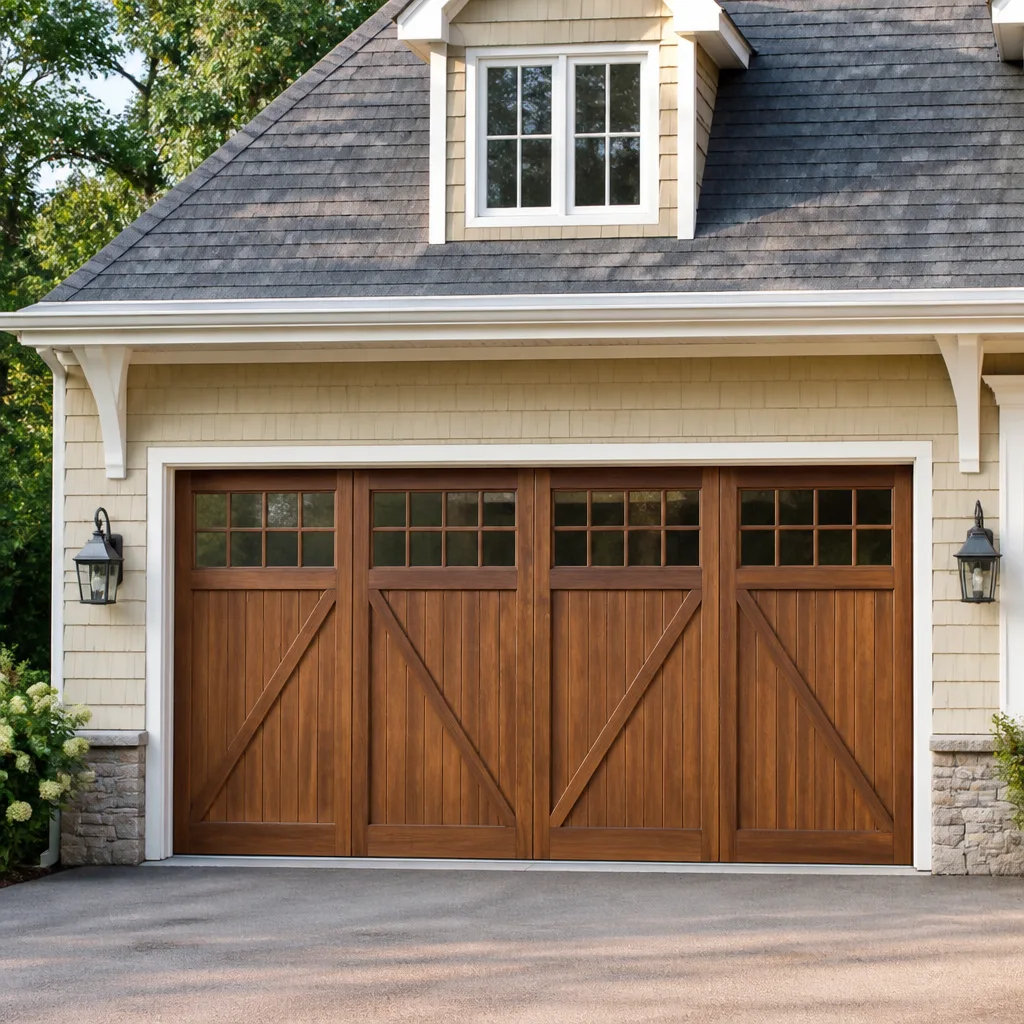 Carriage house
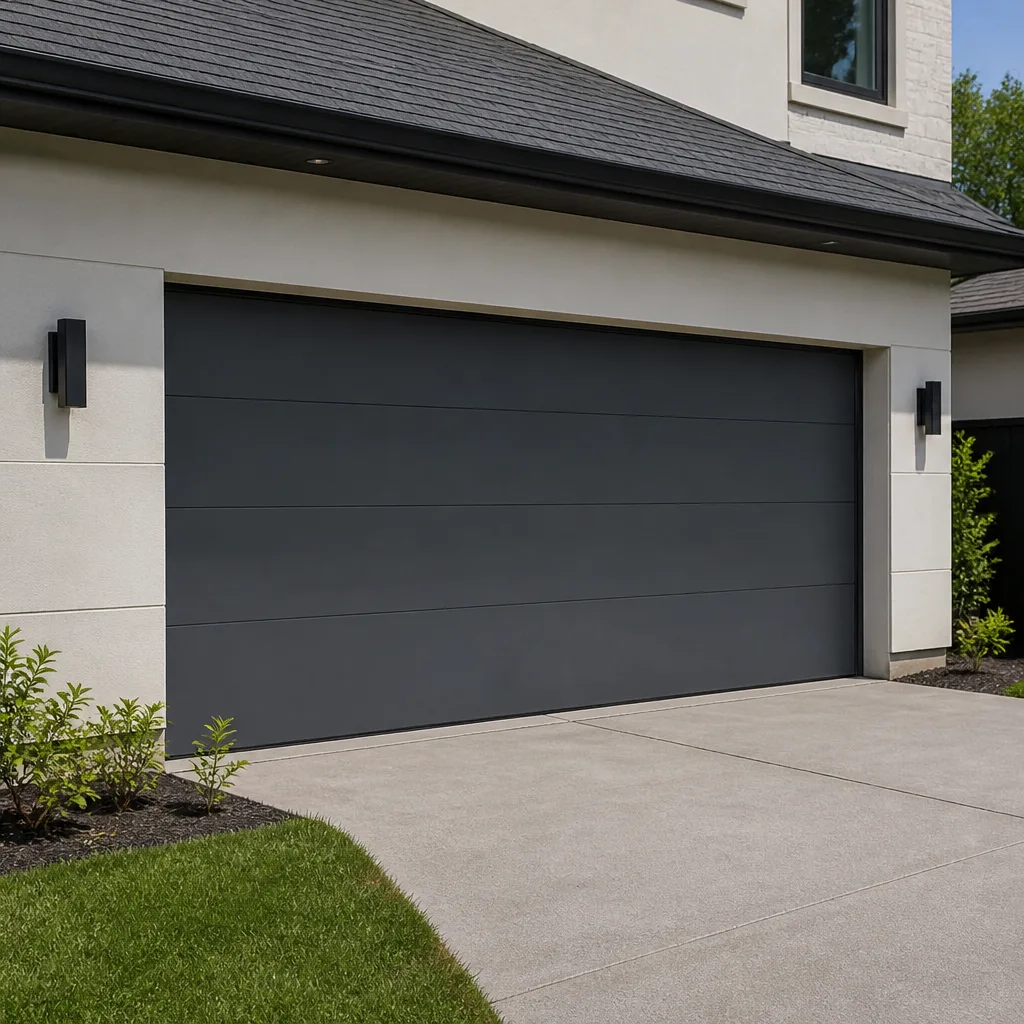 Modern flush
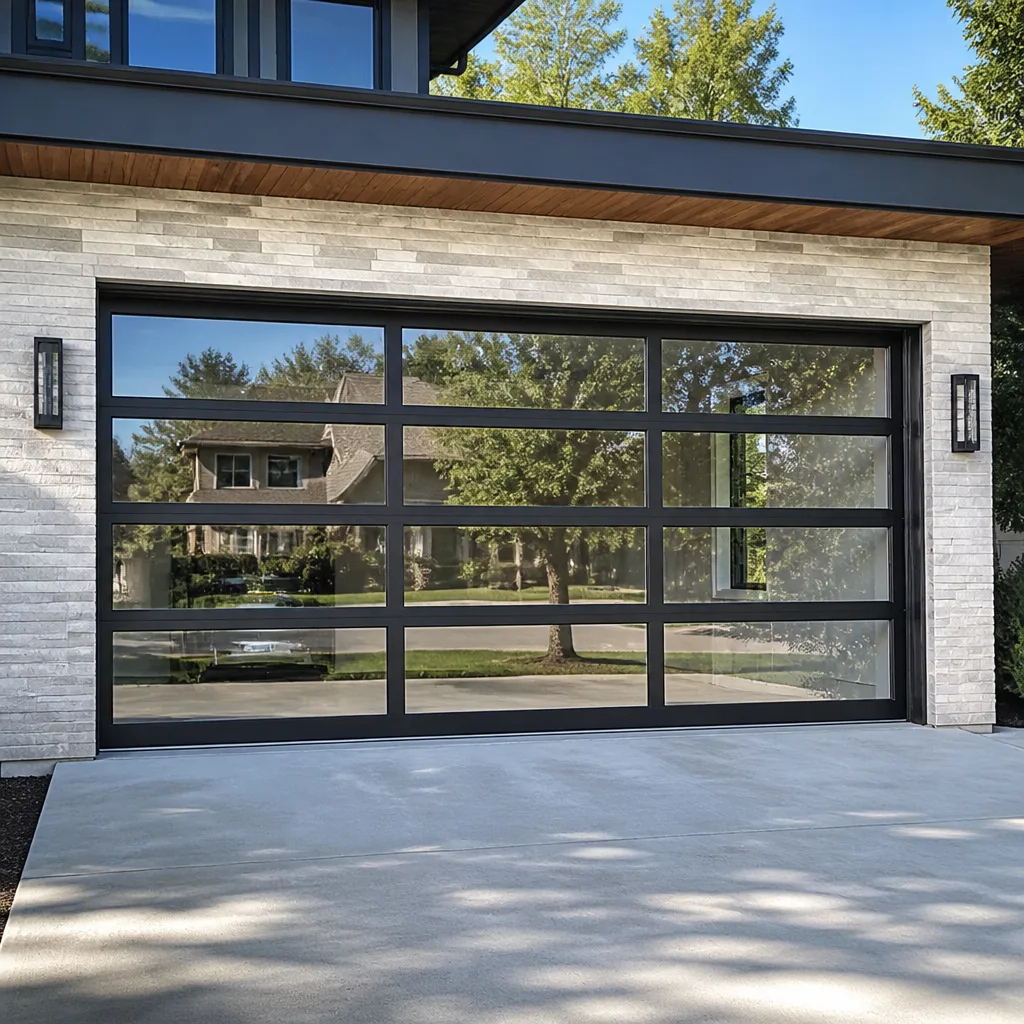 Full-view glass
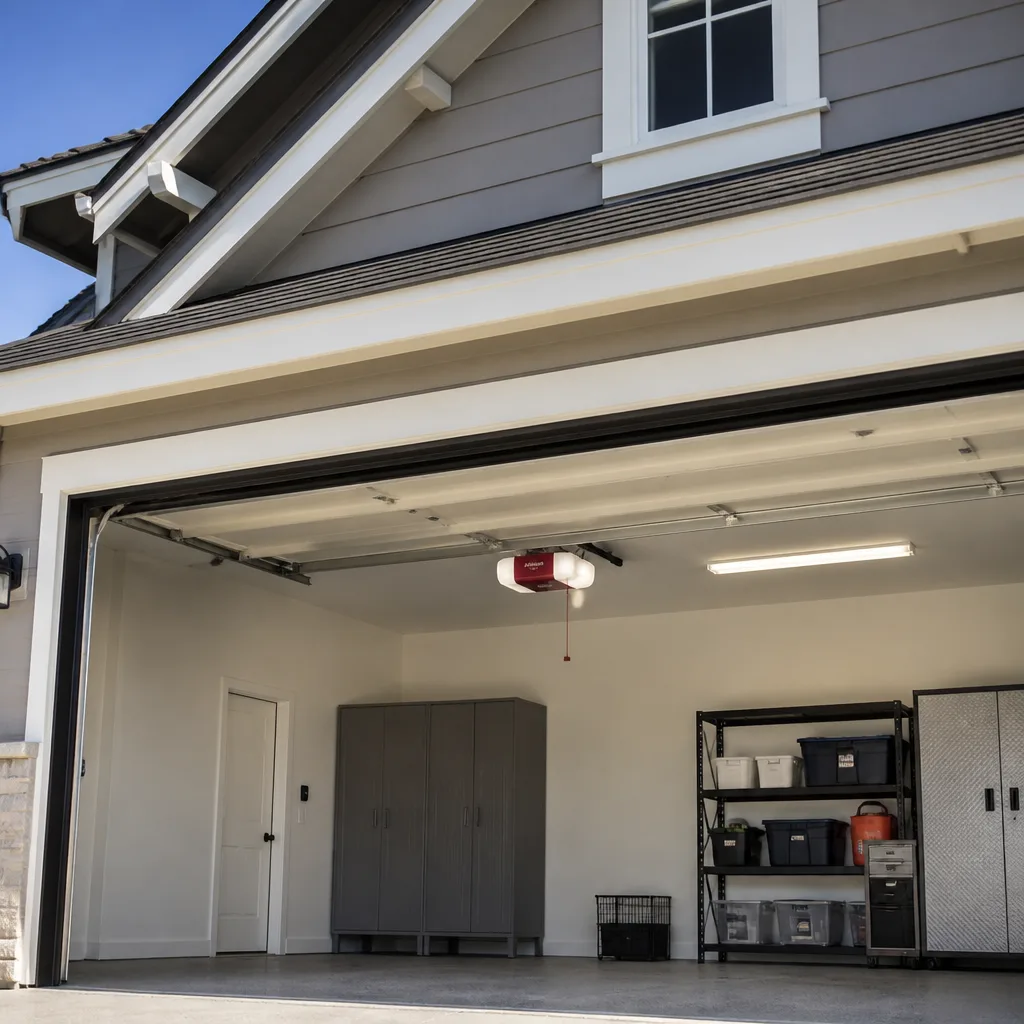 LiftMaster openers
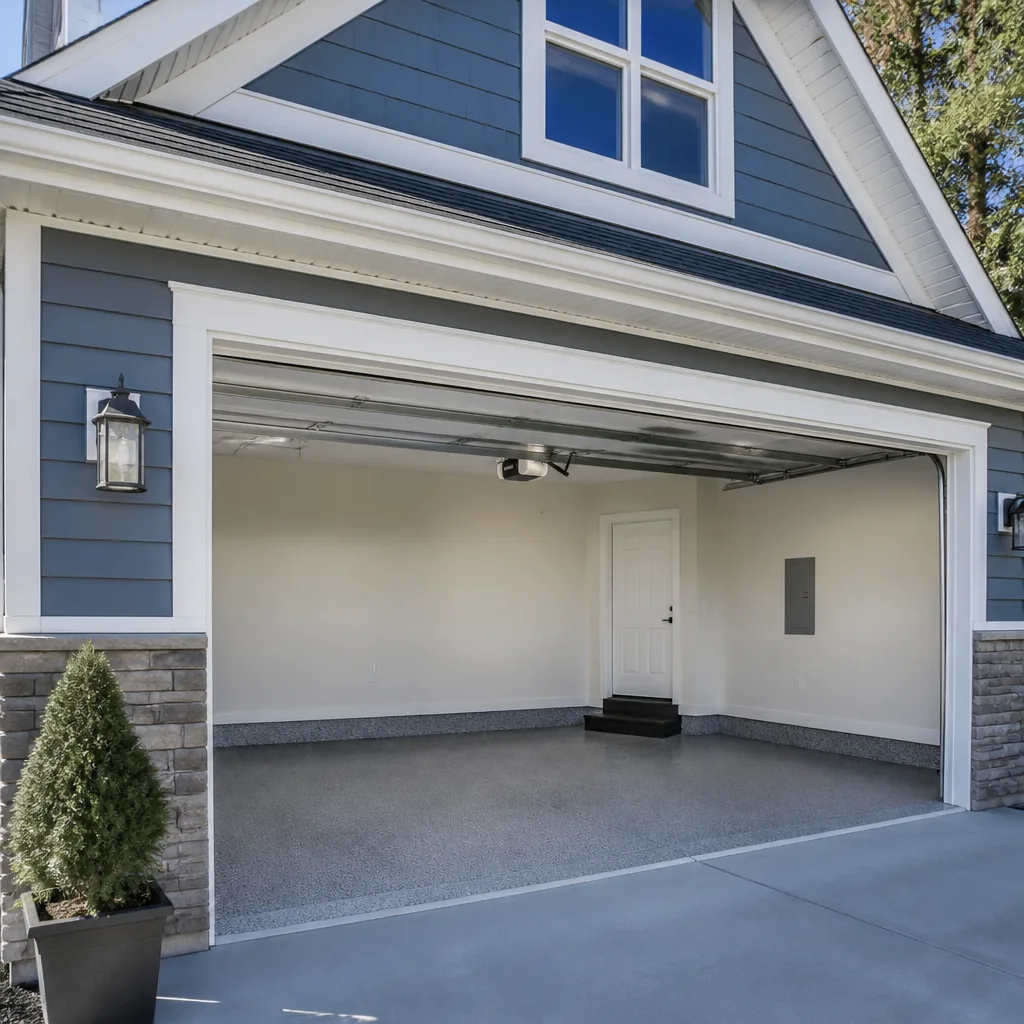 Chamberlain openers
Full 25-point door and opener safety check with every visit - springs, cables, rollers, tracks, and your LiftMaster or Chamberlain opener included
You get a price before we start. It does not change when the pro arrives.
Get your free estimateGarage Door Warning Signs: A Lynn Homeowner’s Reference Guide
A garage door that hesitates for two seconds before it moves isn’t “getting old.” It’s telling you something specific, and the homeowner who learns to read that message usually spends far less than the one who waits for the noise to become a breakdown. Most doors in Lynn give plenty of warning before they fail. Grinding, squealing, a slight diagonal drift, a dented roller, a spring that looks stretched: each one points to a different root cause and a different kind of repair. This guide walks through those signals one by one, so you can describe what your door is doing accurately, understand what it likely means, and avoid paying for parts and labor you don’t need.
Quick Answer
The most common garage door warning signs in Lynn are grinding or squealing during travel, a door that drifts unevenly or jams halfway, popping sounds from the springs, visible gaps or slack in the lift cables, and an opener that strains or reverses without reason. A door that is stuck open, hanging at an angle, or showing a snapped spring should be taken out of service immediately. Slower-developing symptoms like squeaks or a door that hesitates are usually safe to schedule within a couple of weeks. Reading the difference decides whether you have an urgent repair or a routine tune-up.
Styles & brands we work with
- Raised-panel steel
- Carriage house
- Modern flush
- Full-view glass
- LiftMaster openers
- Chamberlain openers
Table of Contents
- What Each Sound Tells You: Grinding, Squealing, Popping, and Rattling
- Spring and Cable Warning Signs You Can Spot by Eye
- Opener Problem or Door Problem? The Diagnostic Step Most People Skip
- Uneven Movement and the Balance Test: What “Fighting Back” Means
- Stop Using the Door Now vs. Schedule Within Weeks
- How Lynn’s Climate and Housing Stock Affect Garage Doors
- Brand-Specific Behavior: When It’s Normal and When It Isn’t
- How to Describe a Problem Accurately Before You Call
What Each Sound Tells You: Grinding, Squealing, Popping, and Rattling
Sound is the fastest diagnostic tool a homeowner has, and hardly anyone uses it. The exact noise a door makes during its travel points at a specific system: the springs, the rollers and tracks, the hinges, or the opener’s motor and gear assembly. If you can name the sound, a technician can usually name the likely repair before arriving.
Here’s how the four most common sounds break down, and what each one usually indicates:
- Grinding during movement usually points to worn or seized rollers, debris or rust in the tracks, or a failing opener gear. It rarely fixes itself, and if it’s coming from the opener housing, the motor is often working harder than it should.
- Squealing is typically friction. Rollers, hinges, and torsion tubes need lubrication, and a dry hinge or metal-on-metal contact between the roller stem and the door panel will produce a high-pitched whine that grows over time.
- Popping is the sound most worth respecting. A sharp pop or bang from the springs typically means a spring has snapped or is under uneven tension. That’s a stop-and-call sound, not a keep-going sound.
- Rattling is usually loose hardware: hinges, bolts, or the door panels themselves. It’s often the easiest fix, but on an older wood or steel door it can also signal panels separating at the joints.
Our technicians have up to 15 years of experience listening to these sounds on every brand of system, and the pattern holds. A grinding door after work on the track usually needs a realignment, not a new opener. A squealing door after a cold snap usually just needs lubrication. A popping door needs the spring replaced before anyone runs it again.
Spring and Cable Warning Signs You Can Spot by Eye
You don’t need tools to spot a spring or cable about to fail, and this is one of the most useful checks on the whole guide. Stand inside the garage with the door fully closed, and look up at the torsion bar above the door or the extension springs running alongside the tracks.
Springs come in two types. Torsion springs sit horizontally on a bar above the door and twist as the door rises. Extension springs run parallel to the horizontal tracks and stretch. Each has its own warning signs:
- A visible gap in a torsion spring. A torsion spring that has failed will usually show a clear break or a two-piece look. This is a hard stop. Don’t run the door.
- Stretched or sagging extension springs. An extension spring that’s noticeably longer than its counterpart on the other side, or that hangs loose, is losing tension.
- Frayed or slack cable. Lift cables should be clean, tight, and evenly spooled on their drums. A cable with visible fraying, kinks, or a slack loop is a danger sign.
- Off-center door. A door that’s visibly crooked when closed often signals a stretched spring or a cable slipping on one side.
Springs and lift cables are under extreme tension and are the most dangerous components of a garage door system. Never attempt to adjust, remove, or replace a spring or cable yourself, and never try to bend a track or open a door with a snapped spring. Replacing a broken spring or a worn pair is a job for a trained professional.
We handle garage door repair across Lynn and see every spring type in this market. If only one spring of a matched pair has failed, the standard practice is to replace both together so the door doesn’t develop the same problem again within months.
Opener Problem or Door Problem? The Diagnostic Step Most People Skip
Whether a symptom belongs to the opener or to the door itself changes who you call and what you pay. The step most homeowners skip is a simple one: disconnect the opener and test the door by hand.
Here’s how to isolate the problem in a way that’s safe:
- Pull the manual release cord (usually a red handle hanging from the opener rail) to disconnect the door from the motor.
- Lift the door by hand. It should move smoothly with moderate effort and stay open three to four feet off the floor if you let go halfway up.
- If it moves smoothly by hand, the door and hardware are likely fine, and the symptom (a door that stops, reverses, or strains) is usually in the opener.
- If it drags, binds, or drops, the door itself has a mechanical problem: spring tension, rollers, tracks, or cables.
That test takes a minute and immediately tells you which half of the system is at fault. In our experience, a good number of Lynn homeowners call for a failing opener when the real problem is a door that’s fighting the motor because a spring has lost tension. The motor runs longer, gets hot, and eventually quits – but replacing the opener won’t fix the door. That’s why we treat garage door opener repair as its own step, not an add-on: we diagnose the motor, remote, safety sensors, and smart controls separately from the door itself.
On newer openers with Wi-Fi, battery backup, or smartphone control, the diagnostic step is the same, but the fix often lives in the control board or the app configuration rather than the motor.
Uneven Movement and the Balance Test: What “Fighting Back” Means
A door that drifts to one side, or that seems to resist you during a manual lift, is usually telling you about spring tension or cable balance. That’s the mechanical term for what most people describe as “the door fights back.”
With the door disconnected from the opener, open it halfway and let go. Watch what happens:
- If it stays put, the spring tension is roughly balanced.
- If it drifts down, the springs are under-tensioned.
- If it drifts up, they’re over-tensioned.
- If it pulls to one side, one spring is stronger than the other, or one cable has slipped.
Uneven movement is the symptom homeowners most often write off as “just an old door.” In reality, imbalance loads the opener, wears the rollers on one side faster, and puts uneven stress on the tracks. Left long enough, it warps panels and accelerates spring failure.
Balance testing is also where you notice the subtler warning signs: a door that moves in small jerks, an opener that stops mid-travel without a visible obstruction, a light that flickers on the opener. Each one points to a different adjustment. A trained technician can set spring tension to spec, replace matching rollers, and true up the track so the door runs level, which is the foundation of everything downstream.
Stop Using the Door Now vs. Schedule Within Weeks
This is the section to bookmark. Most garage door warning signs fall into one of two categories: signs that mean stop using the door immediately, and signs that mean you have time to schedule a proper repair.
Stop using the door now if you notice any of the following:
- A visible break, gap, or snap in a torsion spring.
- A door hanging crooked or halfway and refusing to move.
- A door that slams, drops, or free-falls when released.
- Lift cables that are frayed, kinked, or visibly slack.
- A door that’s off its tracks, even slightly.
- Burning smell, spark, or smoke from the opener.
- Safety sensors that won’t align and the door still closes when you press the button.
These are failures waiting to complete themselves, and running the door risks injury or damage to the panels, tracks, and opener. Disconnect the door from the opener with the manual release and call a professional.
Schedule within weeks if you notice:
- Squealing, grinding, or rattling during normal travel.
- Uneven drift during a balance test.
- The door hesitates before moving.
- A remote or wall button that works intermittently.
- Peeling paint on the bottom panel or a slightly dented section.
These usually don’t fail all at once. They worsen gradually, and catching them early keeps the repair simple. On a Lynn winter door, a squeak left alone can become a seized roller within a season.
How Lynn’s Climate and Housing Stock Affect Garage Doors
Garage doors here work harder than they do in milder climates, and knowing what the seasonal pattern does helps you read your door’s behavior with more confidence.
Lynn winters bring freeze-thaw cycles, and the temperature swing alone loads the springs repeatedly. Metal contracts in the cold and expands in the warmth, which is why a door that ran quietly in October often squeaks in January and quiets down again in April. That cycle doesn’t damage a healthy system, but it exposes one that’s already marginal.
Snow and ice create their own warning signs. A small amount of ice under the weather seal can make a door strain on lift or reverse on close. If the door is fighting only on the first open of the day in the cold, check for ice and clean the bottom seal before assuming the opener is failing. The same applies after heavy rain: water under the seal will trigger a safety reverse.
Housing stock matters too. Many older homes in Lynn have low-clearance openings or legacy extension-spring systems, which wear differently than the torsion systems in newer builds. Doors on garages that face the weather see faster corrosion on rollers and hinges than doors on sheltered garages. None of this is cause for alarm, but it changes what to watch, and it’s why a Lynn-specific repair plan looks different from a generic one.
We know the rhythms of a door in and around Lynn because that’s where we work. If you’re unsure whether what you’re seeing is a climate response or a mechanical problem, the balance test and the sound checklist above will usually tell you.
Brand-Specific Behavior: When It’s Normal and When It Isn’t
The brand of your door and opener says something about which warning signs to ignore and which to take seriously. A Clopay steel door from a decade ago behaves differently from an Amarr panel door or a Wayne Dalton model with a proprietary torsion setup, and the opener brand matters just as much.
A few patterns worth knowing:
- Wayne Dalton Torquemaster systems (the sealed spring tubes on some models) don’t show the same visible spring gap as standard torsion. A door that suddenly won’t lift, with no obvious break, may have a Torquemaster spring failure inside the tube.
- LiftMaster and Chamberlain openers often give you a diagnostic code through the flashing light on the motor housing. When the door reverses and the light blinks a defined pattern, that flash is telling you the safety sensor or travel limit needs attention.
- Craftsman openers on older installs frequently show gear wear before they show symptoms. A door that hesitates with the opener working hard, but the door moving fine by hand, is usually the gear or drive assembly.
- Genie openers with screw-drive systems develop a distinctive rumble as the screw wears. That’s different from track grinding and usually fixes with a drive repair rather than a new opener.
Our team works on the doors and openers you already own – Clopay, Amarr, Wayne Dalton, Craftsman, LiftMaster, Chamberlain, Genie, Raynor, and more. We don’t push a particular brand or a replacement when a repair will do. The warning signs your door is showing tell us what the actual fix is, and the written estimate you get before any work starts sets the price.
How to Describe a Problem Accurately Before You Call
The difference between “my door is broken” and “my door starts to lift, stops about a foot up, and makes a deep grinding noise” is often the difference between a longer diagnosis and a right-the-first-time repair. Getting the description right is the last warning-sign skill worth practicing.
Before you call, jot down the following:
- The sound, the exact word you’d use (grind, squeal, pop, rattle) and roughly when it happens (on lift, on close, throughout).
- The behavior, whether the door hesitates, reverses, stops midway, drifts unevenly, or won’t move at all.
- The balance test result, if you’re comfortable doing it. “Drifts down when I let go halfway up” is a useful fact.
- The opener’s response, does it click without moving the door? Do the safety sensors blink? Does the remote work but not the wall button?
- The brand and rough age, if you know it. Clopay, Amarr, Wayne Dalton, Craftsman, LiftMaster, Chamberlain, Genie, Raynor – any of these is useful for the tech.
- Photos, of the springs, the cables, the track, and the bottom seal. A photo of a spring gap saves a step.
If you’re not sure how to do a safe balance test or how to tell a spring problem from a cable problem, that’s fine. Say so on the call and a technician will handle it. That’s what we do.
Common Mistakes to Avoid
- Ignoring a popped spring to “test it once.” A broken spring is under stored tension, and running the door with one can cause the other to fail or the door to drop. Stop using the door and call a specialist.
- Lubricating squeaks without cleaning first. Adding grease to a track packed with grit and dust makes the wear worse. Clean, then lubricate the moving parts, not the track surface itself.
- Replacing the opener when the door is the problem. A door that fights back during the balance test will wear out a new opener in the same way. Diagnose the door first, and the opener second.
- Adjusting spring tension or cables without training. Torsion springs are the most common serious injury on a garage door job. That work belongs to a trained professional.
- Assuming a door that opens is a door that’s safe. A door that opens reliably but fails a visual check on springs and cables can still fail without warning. Do the visual inspection at least twice a year.
- Calling a general handyman for a brand-specific issue. Wayne Dalton Torquemaster and Chamberlain sensor diagnostics aren’t the same job as patching drywall. Get a garage door specialist so the diagnosis is right the first time.
- Letting a small dent turn into a panel replacement. Peeling paint, a dented bottom panel, or a small seal tear are cheap to fix in October and expensive to leave through a Lynn winter.
See the difference
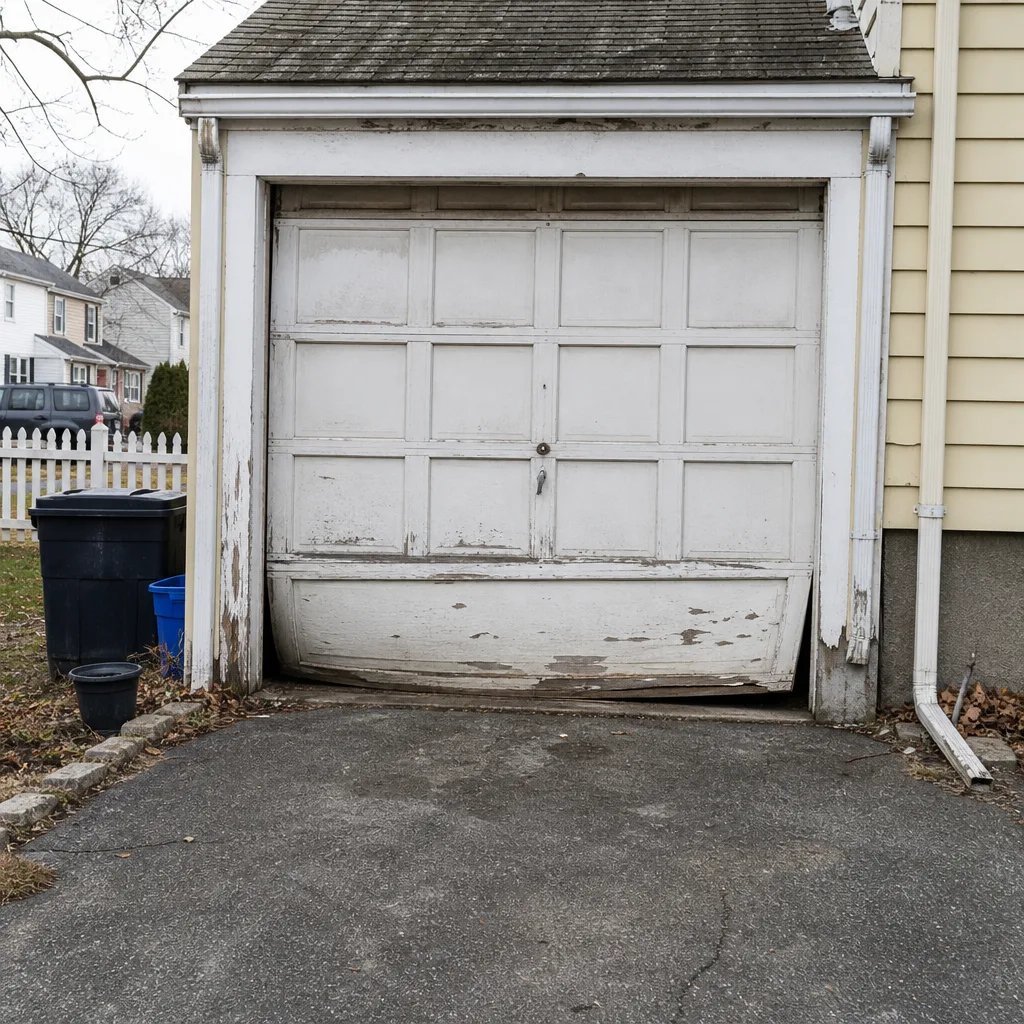 Before
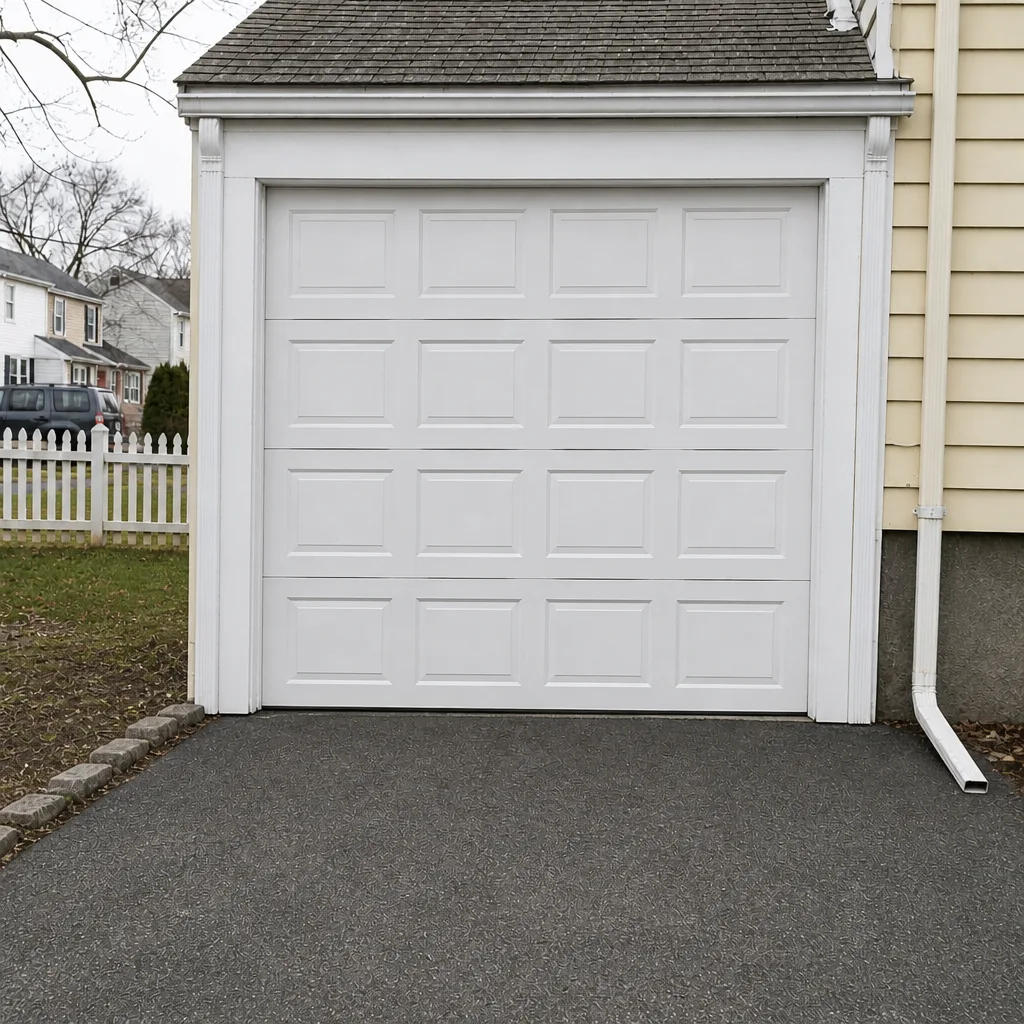 After
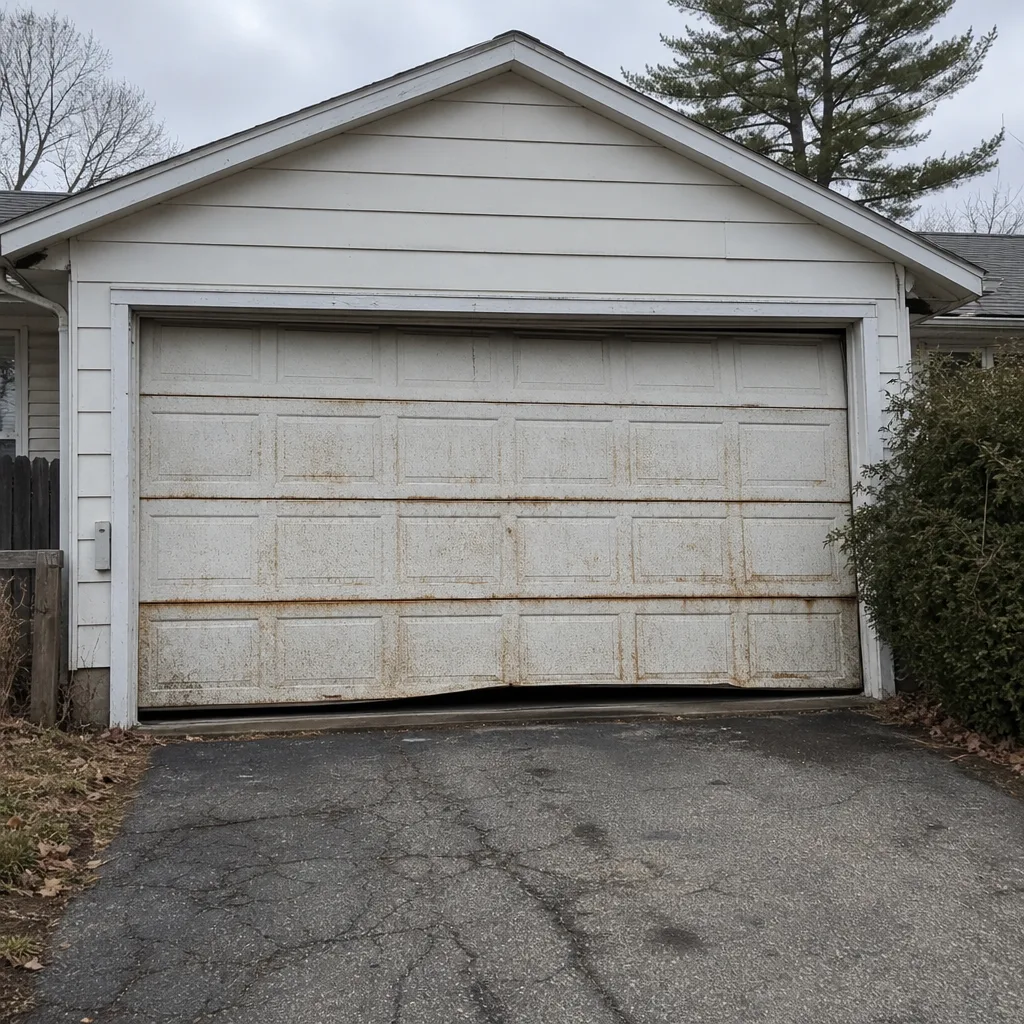 Before
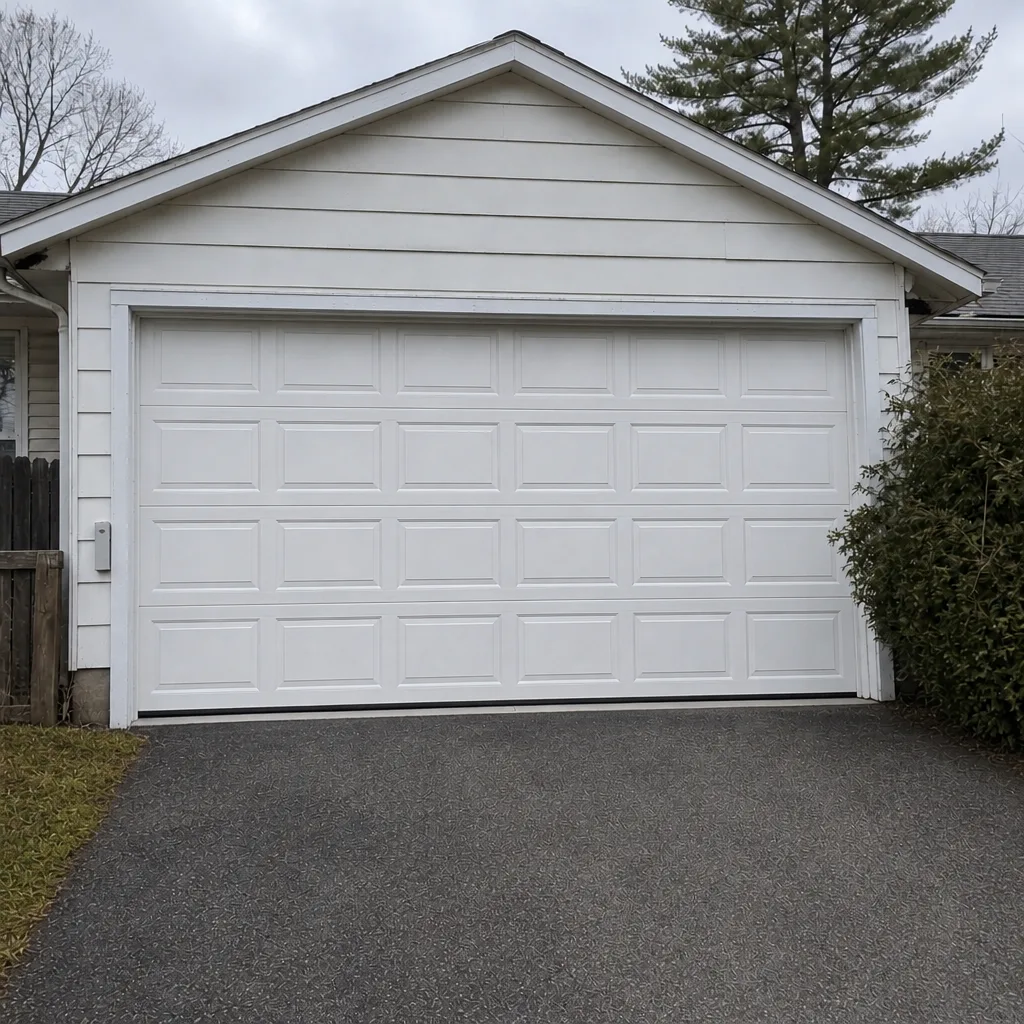 After
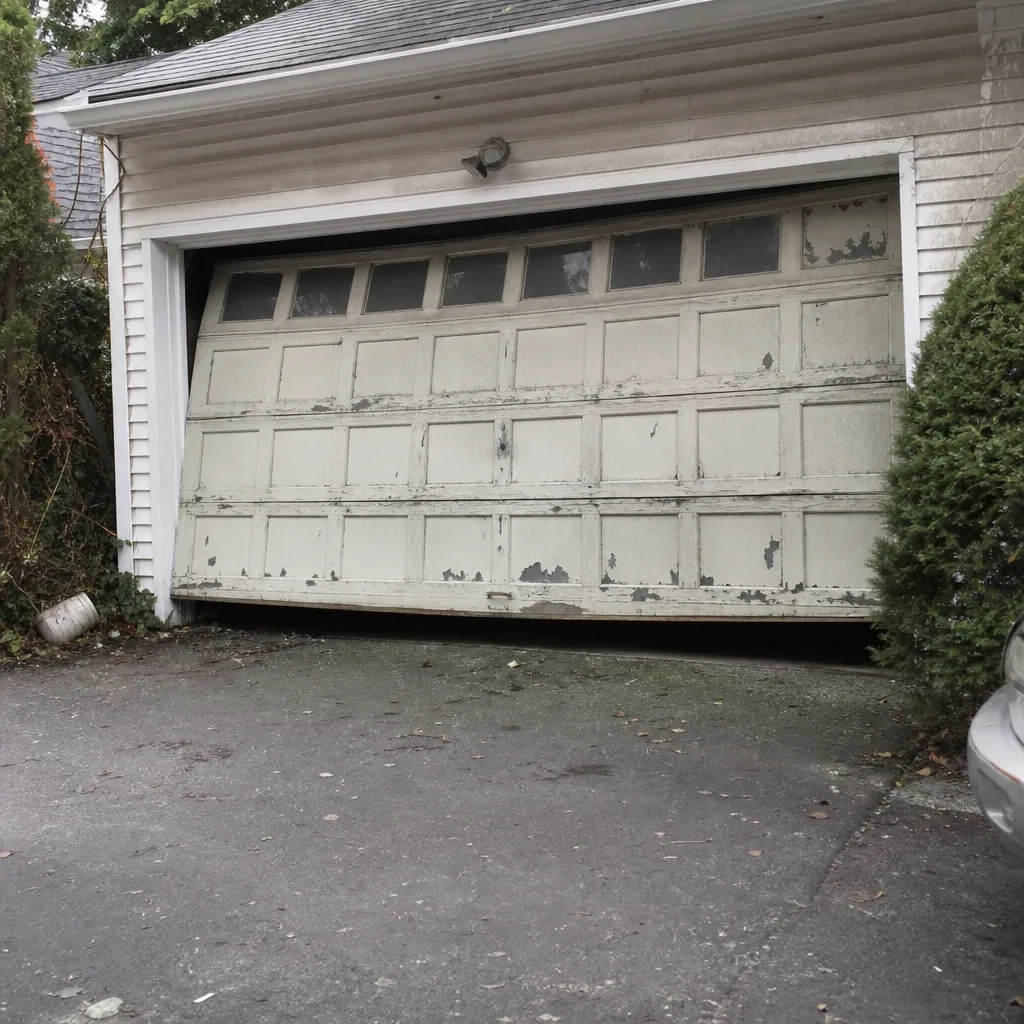 Before
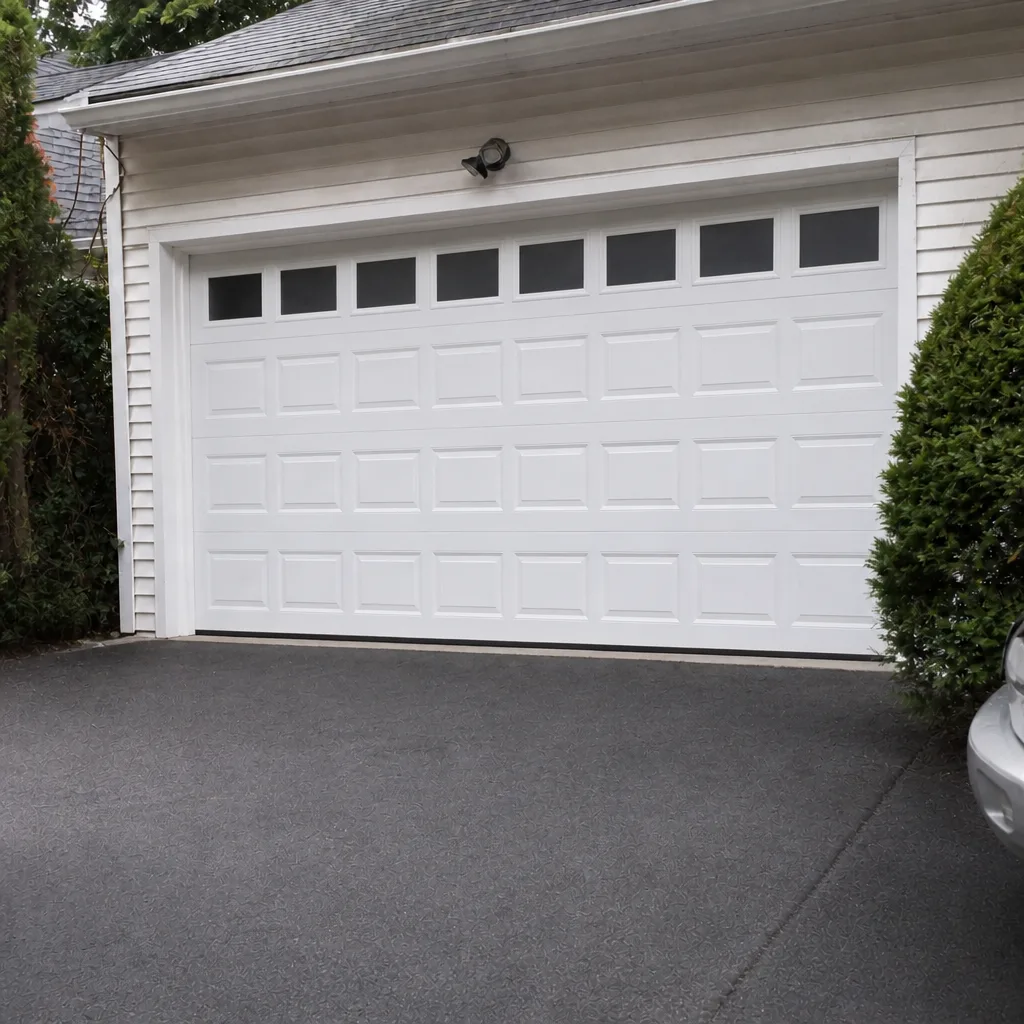 After
When to Call a Professional
Call a professional if your door has a snapped spring, a frayed cable, a door that hangs crooked or refuses to move, or any symptom from the “stop using the door now” list. Also call if the balance test shows the door drifting, if the opener reverses without a visible obstruction, or if you can’t remember the last time the door’s springs and hardware were checked. A trained technician should touch every spring, cable, and track job; those components store enough energy to cause serious injury. If you’re not sure which category your warning sign falls into, that’s a good reason to call too. A description and a photo are usually enough to tell us what’s happening.
Lynn Garage Door Service offers free estimates in Lynn – call (888) 902-1938. We answer 24/7. Fast dispatch from 7am to 7pm, Sunday through Friday. The written estimate sets the price, and it’s agreed before any work starts.
Frequently Asked Questions
On a torsion spring, the first sign is usually a visible break or gap above the door. On extension springs, the warning is a noticeable stretch or sag compared to the other side, or a door that feels heavier to lift by hand. A sharp pop, followed by a door that struggles to rise, is almost always a broken spring. Call a specialist rather than testing the door further.
Grinding alone doesn’t mean an emergency, but it does mean something is wearing faster than it should, usually rollers, tracks, or an opener gear. Run the door only as much as needed until a technician checks it. If the grinding is accompanied by hesitation, popping, or uneven movement, stop using the door.
Yes, usually. Pull the manual release on the opener and lift the door by hand. If the door moves smoothly and stays open, the problem is in the opener. If it drags or drops, the problem is in the door. That single test tells you which type of specialist to call and heads off a wrong-part repair.
Repair costs in Lynn depend on the component. A spring replacement is usually the largest routine repair, a full spring pair costs more than a single spring since the pair is replaced together, and a minor adjustment, lubrication, or sensor repair is the smallest. The written estimate sets the exact price, and the estimate is free. Call (888) 902-1938 for an exact quote – estimates are free.
First check for obstructions under the door, including ice or a piece of debris. Next, check the two safety sensors near the floor on either side of the door; a misaligned or blocked sensor is the most common reason a door reverses. If the sensors are aligned and clear and the door still reverses, call for diagnosis. Don’t override the safety reverse to force the door closed.
Once a year is a good baseline for a door in Lynn, and a second visual check at the start of winter catches the wear the cold cycle exposes. Annual service usually includes spring inspection, roller and hinge lubrication, balance adjustment, and safety-reverse testing. If you can’t remember your last service, that’s a good reason to book one.
The Bottom Line
Garage door problems in Lynn announce themselves long before they become failures. Learn the four sounds, run the balance test once a season, and do a visual check on your springs and cables every six months. Know the difference between a stop-now sign and a schedule-a-repair sign, and describe what you’re hearing and seeing accurately before you call. Our technicians have up to 15 years of experience and work on virtually every brand of door and opener on the market, so the diagnosis fits your system, not a preferred product line. Lynn Garage Door Service specializes only in garage doors and openers, and one call covers a repair, an opener fix, or a full new installation. If something on this list describes what your door is doing, get ahead of it. Call (888) 902-1938. We answer 24/7. Fast dispatch from 7am to 7pm, Sunday through Friday.
Written by the team at Lynn Garage Door Service.