
Last updated November 15, 2026
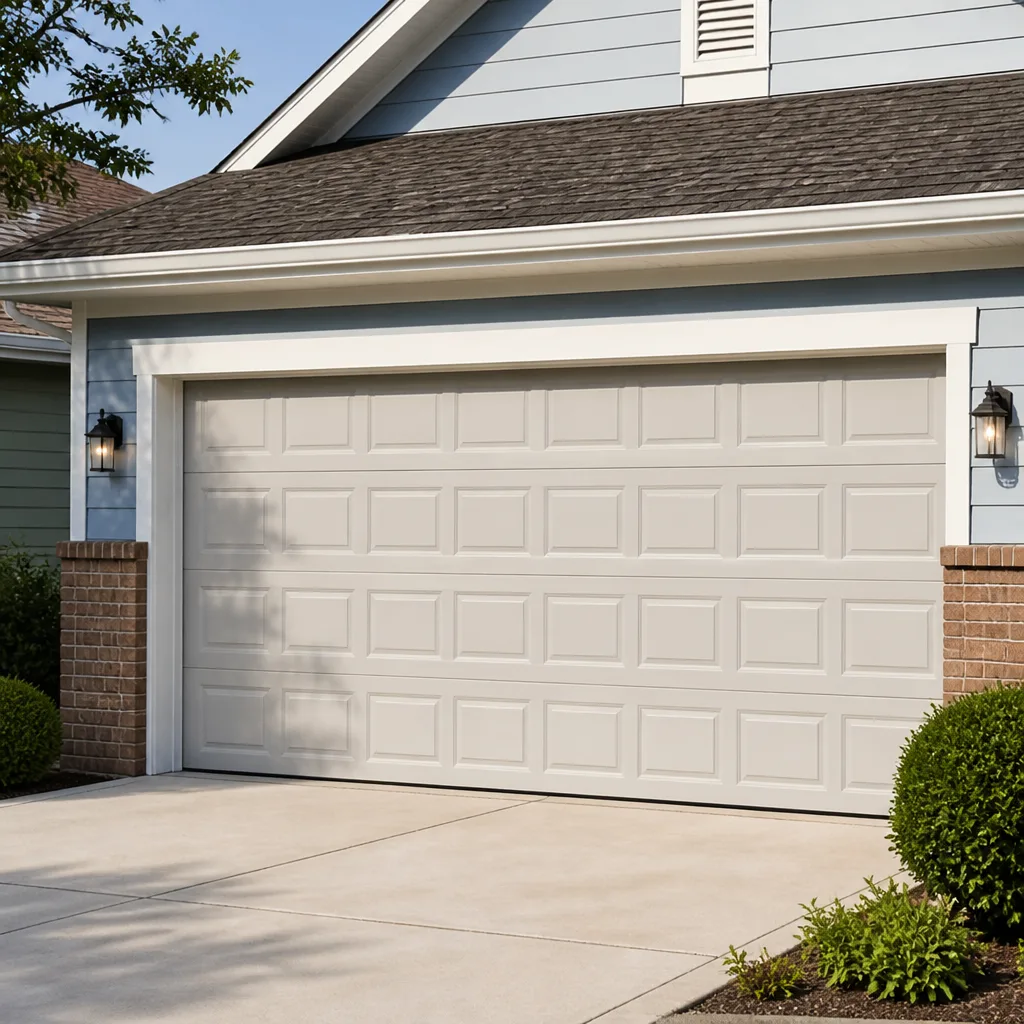 Raised-panel steel
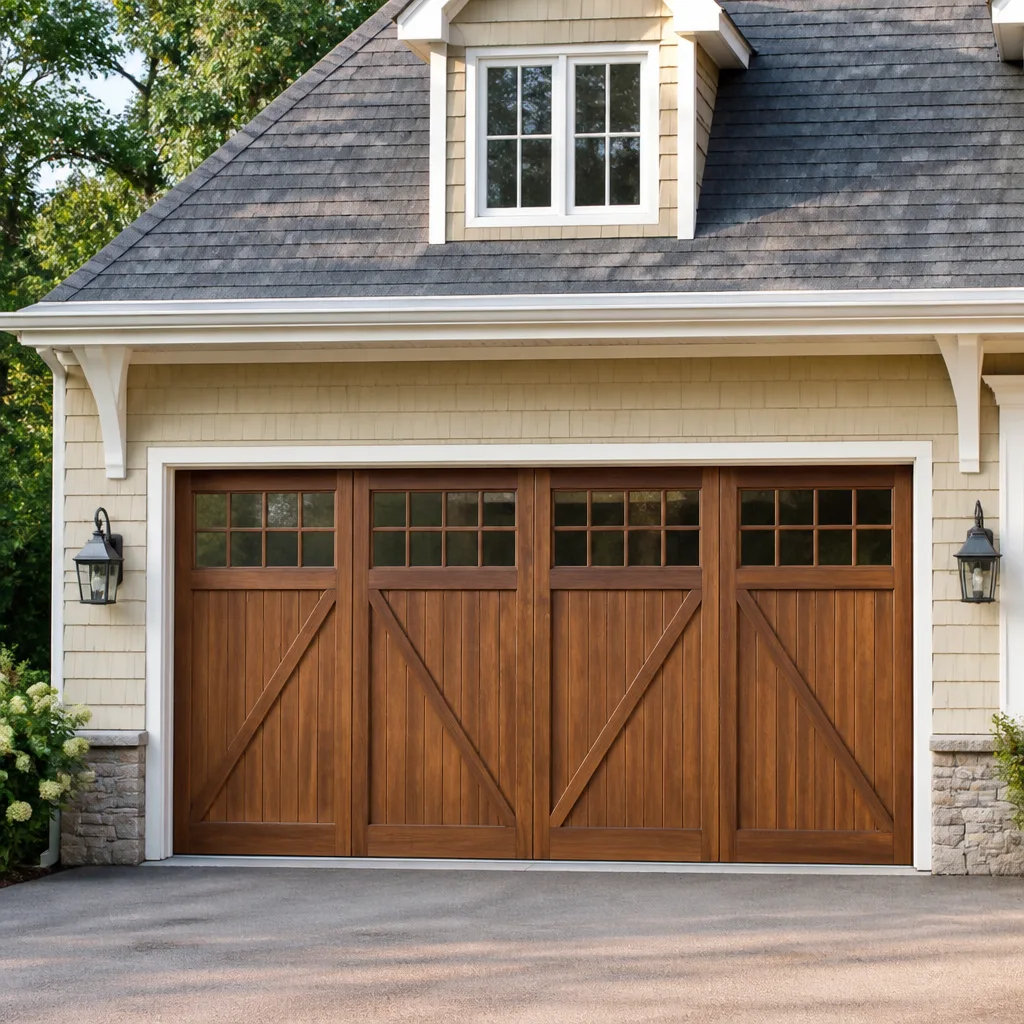 Carriage house
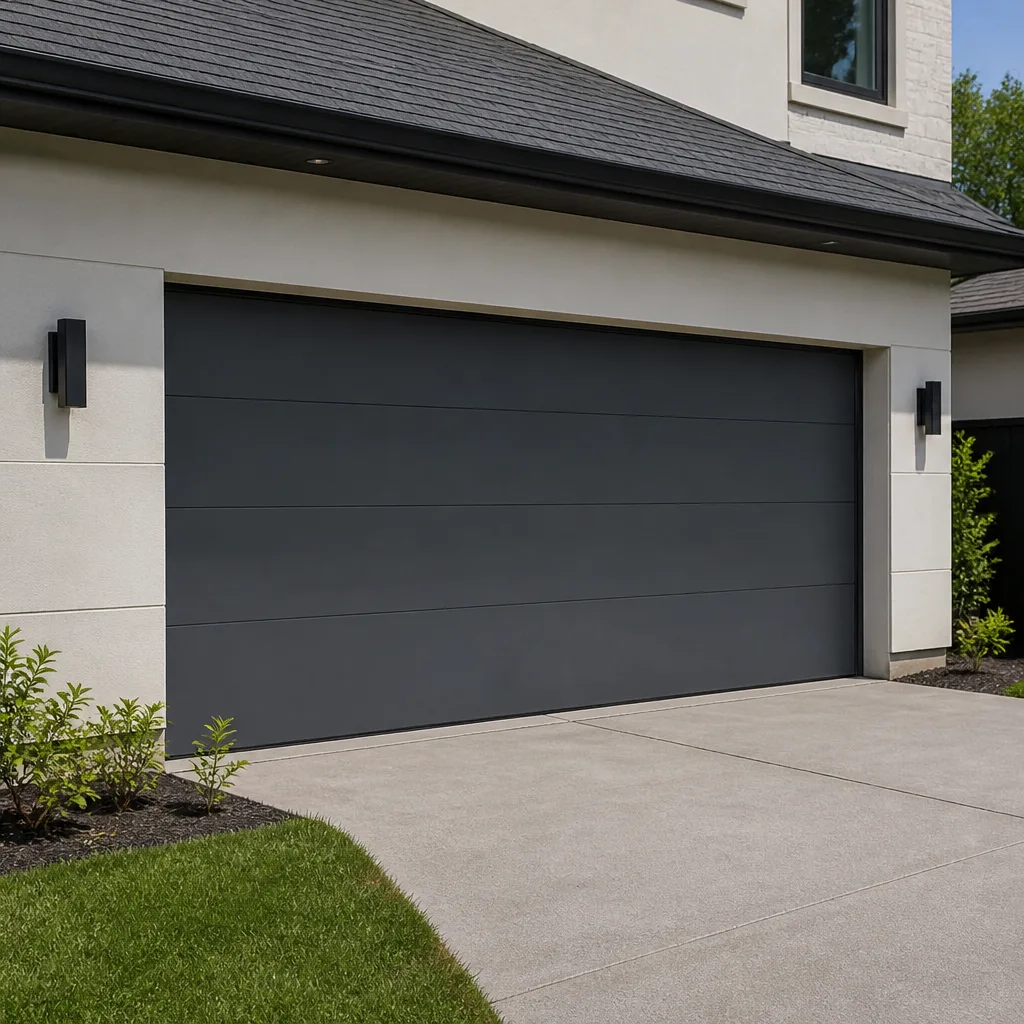 Modern flush
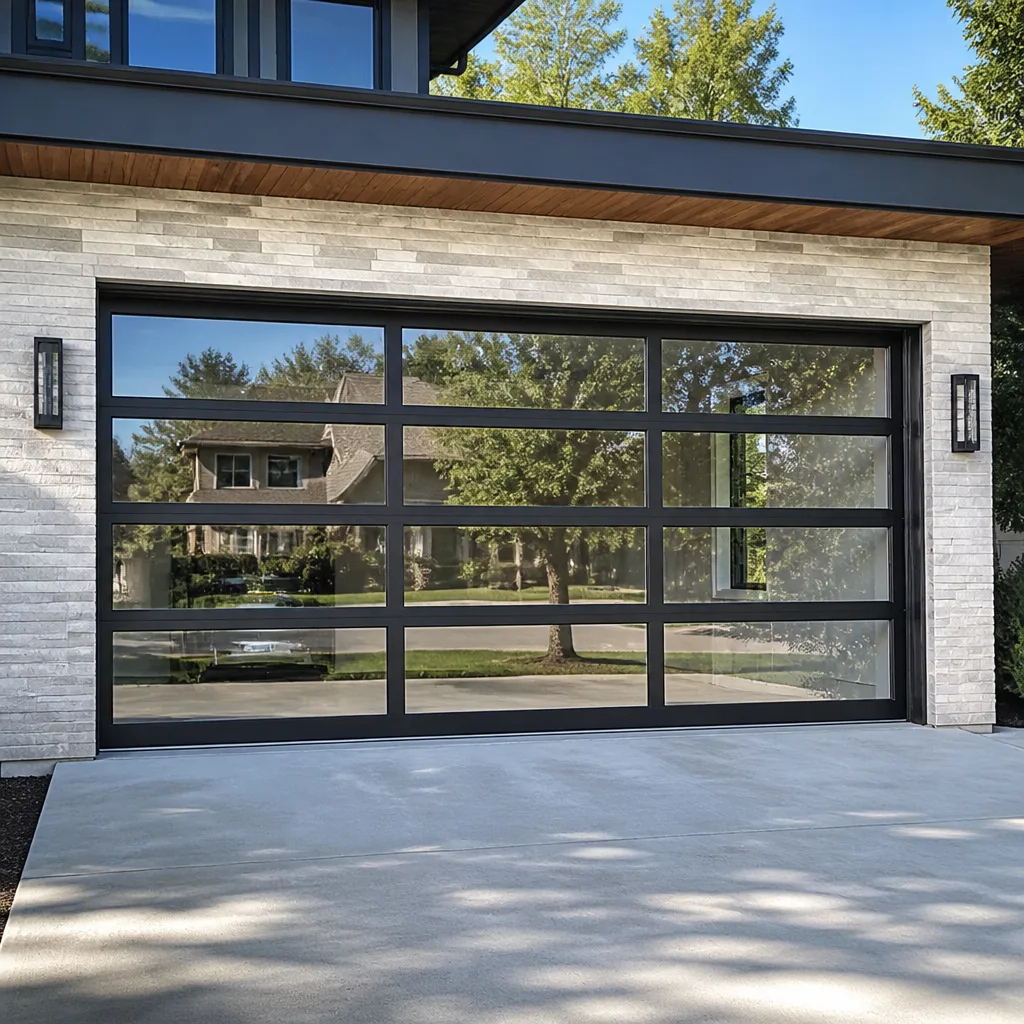 Full-view glass
 LiftMaster openers
 Chamberlain openers
Full 25-point door and opener safety check with every visit - springs, cables, rollers, tracks, and your LiftMaster or Chamberlain opener included
You get a price before we start. It does not change when the pro arrives.
Get your free estimateGarage Door Permits, Codes & Inspections in Lynn, MA: What You Need to Know
Most Lynn homeowners assume garage door work is too minor to involve a permit. It’s a door on a house, not an addition. That assumption is where people get into trouble. A full door replacement, structural work at the header, or a new opener on an attached garage can all cross the line into permitted, inspected work in Massachusetts, and the paper trail you skip today can surface as an open violation on a title search at exactly the wrong moment in a home sale. This guide walks through what Lynn actually requires, what the Inspectional Services Department reviews, how fire door rules apply to attached garages, and the documentation you should keep after any major garage door project in Lynn.
Quick Answer
In Lynn, replacing a garage door, altering the structural framing around the opening, or installing a new opener that changes the door’s operating system generally requires a residential building permit from the city’s Inspectional Services Department; simple repairs like swapping a spring, roller, or remote usually don’t. Whether your specific project needs a permit depends on the scope, so the city’s building department is the authority to confirm it. A permit costs a modest fee and adds an inspection step, and that inspection is what protects you when you sell.
Styles & brands we work with
- Raised-panel steel
- Carriage house
- Modern flush
- Full-view glass
- LiftMaster openers
- Chamberlain openers
Table of Contents
- Which garage door projects need a permit in Lynn?
- What does Lynn’s Inspectional Services Department actually review?
- Fire door requirements for attached garages in Massachusetts
- Structural header and framing work: the part most people miss
- How unpermitted work affects insurance and resale in Lynn
- What a compliant installation looks like on paper
- The documentation you should receive and keep
- How we handle code questions for Lynn homeowners
Which garage door projects need a permit in Lynn?
The short version: anything that changes the structure, the opening, or the door’s operating system usually needs a permit; anything that restores an existing door to working order usually doesn’t. Massachusetts building code treats a door replacement as a change to the building envelope and the garage’s egress and safety features, and Lynn’s Inspectional Services Department handles the permit review for that work the same way it handles other residential alterations. The exact threshold sits with the city, and a quick call to the department settles the question before anyone lifts a tool.
Here’s how the work tends to sort out:
- Likely to need a permit: Full replacement of a garage door with a different door (especially with a different weight, size, or type, like going from a manual door to a sectional with an opener). Widening or re-framing the door opening. Installing a new opener on a door that didn’t have one. Replacing the header above the opening. Converting a carport or screened bay into an enclosed garage with a door.
- Usually exempt: Replacing springs, cables, rollers, hinges, tracks, or panels on the existing door. Replacing a remote or wall button. Replacing a failed opener with the same rated unit in the same location, as long as no electrical work or door modification is needed.
- Ask the city: Swapping a door for the exact same model and size. Replacing an opener with a unit of different horsepower. Adding a smart opener module or battery backup. Replacing the bottom seal.
If you’re in doubt, call. A permit fee is small and the inspection is a paperwork inconvenience compared to the alternative. That’s the whole point of a permit: an inspector confirms the door is hung safely, the springs are correct for the door weight, and the opener has the reverse safety feature engaged, so nobody in the household is working around a hazard.
What does Lynn’s Inspectional Services Department actually review?
Lynn’s Inspectional Services Department issues the residential building permit and sends a building inspector out to confirm the work matches what was approved. For a garage door replacement, that review is narrower than people expect. The inspector isn’t judging whether the door looks nice or whether you picked the right style. They’re checking that the structure is sound, the door operates safely, and the installation meets the code minimums referenced in the permit.
On a typical residential garage door permit, the review covers:
- Structural attachment. Is the door hung on the framing as intended, and was the header left intact or rebuilt to spec?
- Opening size and egress. Does the opening match the permitted dimensions? If the garage is attached, does the door or the opening interfere with any safety egress path?
- Door safety devices. If an opener is part of the scope, is the reverse safety feature present and functioning?
- Fire separation. On an attached garage, does the wall and door between garage and house meet the fire separation requirement (usually a self-closing, fire-rated door with the correct hardware)?
- Electrical connection for the opener. Was a new circuit added, and if so, was the electrical permit pulled and the work signed off?
For the permit itself, expect the city to ask for a short scope-of-work description, the property address, and the contractor’s license information. The permit is issued to the licensed contractor pulling the work for most major projects. Fees are set by the city, and you can confirm the current fee schedule with the Inspectional Services Department directly before work begins.
Fire door requirements for attached garages in Massachusetts
If your garage is attached to the house or shares a wall or ceiling with living space, the code treats it as a fire separation zone, and the door between the garage and the house is where most people get caught. Massachusetts code requires a self-closing, fire-rated door between an attached garage and the house, and it has to actually close and latch on its own. That means a proper spring or closer, a positive latch, and no propped-open hack. It isn’t a fire-rated garage door in most cases (that’s a different product for commercial or high-hazard applications); the fire door in question is the pedestrian door from garage into the house.
This matters whenever the garage door itself is replaced or the framing around it changes. If the wall separating the garage from the house is being altered, the fire separation has to be maintained and documented. Common issues we see in Lynn homes:
- The pedestrian door is hollow-core or lacks a closer, which fails fire separation.
- A gap under the garage vehicle door lets fumes and fire travel between garage and ceiling space.
- The wall between the garage and house has been opened for a new electrical panel or window without a rated door.
- The ceiling separation (drywall) between garage and living space is compromised during remodel work.
The fire separation requirement is straightforward to meet and easy to prove: the door is rated, the closer works, the latch engages, and the installation matches the plans. Ask the city inspector to confirm during the inspection, and keep the paperwork.
Structural header and framing work: the part most people miss
Most garage door permits don’t trip anyone up until they hit the header. The header is the horizontal structural beam that runs above the garage door opening and carries the load of the wall above it. If you widen the opening, replace the door with a heavier unit, convert a carport, or repair rot in the framing, the header often has to be rebuilt, sistered, or upgraded. That is structural work, and in Lynn it moves the project squarely into permit-and-inspection territory.
What an inspector looks for on a header change:
- The header is sized for the load it carries, usually per the plan.
- It bears fully on both king studs, with no notching that weakens it.
- Jack studs and cripple studs are in place and properly nailed.
- Any metal connectors are installed as specified.
- Flashing and weather barrier are continuous over the header to prevent rot.
Header work is one of the few garage door scopes we won’t touch without a permit in place, because the structural piece can’t be verified after the fact. That’s not a lawyer’s answer; it’s a practical one. If you sell the house and the buyer’s inspector flags an unapproved header, you’ll be rebuilding it anyway, only for someone else’s timeline and at someone else’s price.
How unpermitted work affects insurance and resale in Lynn
An unpermitted garage door replacement doesn’t usually cause a claim to be denied on its own, but it can hurt you in two specific ways. First, if a future loss traces back to the unpermitted work (a door that detached, a header that failed, an opener that injured someone), the insurer can question coverage for that loss and examine whether the installation met code. Second, Massachusetts real estate transactions rely on disclosure, and an open permit or a property history that turns up unpermitted work during a title search becomes a negotiating problem at exactly the moment you can least afford it.
This is a Lynn-specific fact of life for older housing stock. Many Lynn garages were built or modified decades ago, before modern garage door openers, before automatic reverse safety features, and before the current fire separation expectations. When those doors get replaced now, the work has to meet current code even if the original build didn’t. That means the second owner often inherits a modernization burden they didn’t cause.
The practical protection is simple:
- Pull the permit. A closed permit is proof of compliance.
- Keep the inspection sign-off. That document travels with the property.
- Tell your insurer when a major door or opener is replaced, especially if it changes safety features on an attached garage.
- Keep the contractor’s license and insurance information in the same file as the permit.
None of this is dramatic. The cost of doing it right is small next to the potential for an unpermitted item on your property record.
What a compliant installation looks like on paper
A compliant garage door installation isn’t just a door that opens and closes. It’s a door that opens and closes correctly, on the correct hardware, with the correct safety devices, documented in a way that survives a title search. If you’re the one hiring for the job, here’s what should be in the file when the work is finished:
- The permit number and the closed inspection record. Look for the final sign-off from the building inspector.
- The written scope of work. The description should match what was installed, including the door make, model, and size. If a Genie or Clopay unit was part of the scope, its model number belongs on the paperwork.
- The opener specifications, if an opener was installed or replaced, including horsepower, the reverse safety feature, and any battery backup.
- The spring and cable specifications. A spring is rated by the door weight, so the paperwork should show the correct spring for the door you have.
- The contractor’s license and insurance information. Keep the certificate of insurance attached to the invoice.
- The fire separation confirmation for an attached garage, confirming the door between garage and house meets code.
If your paperwork has all six pieces, you have a compliant installation. If it has the door style and the model number and nothing else, ask questions. The specific make on the door (Amarr and Wayne Dalton are common in Lynn, as are Clopay and Genie on the opener side) doesn’t change the requirement. Every brand on the market has to meet the same code.
The documentation you should receive and keep
Documentation is where most Lynn garage door projects fall apart after the fact. The door gets installed, the invoice gets paid, and nobody keeps the paperwork. Ten years later, at resale, the buyer’s agent asks for documentation on the garage door replacement, and there’s nothing to show. Here’s the short file worth keeping:
- Signed contract or written estimate with the agreed scope and price.
- Closed permit and the inspection sign-off from the Lynn Inspectional Services Department.
- Manufacturer documentation for the door and opener, including the model and serial numbers.
- Warranty paperwork, and the contact information for the manufacturer.
- Photos of the finished installation, including the springs, opener, and header.
- Certificates of insurance from the installing contractor at the time of the work.
- Invoice with the itemized line items.
Keep the file with your house records, not in a toolbox. If you ever refinance, list, or file a claim, you’ll want it in a place you can find quickly. If you bought a Lynn house where the garage door work predates your ownership and you can’t find the paperwork, contact the city. The building department can usually tell you whether a permit exists and what it covered.
How we handle code questions for Lynn homeowners
We work on the door you already have, and we also install new ones, so we end up answering code questions almost every week in Lynn. Here’s how we handle the permit piece for customers.
First, we diagnose before we replace. That means a full inspection of the door, springs, opener, and framing before we tell you a replacement is needed. If a repair keeps the door in service, that’s the recommendation, and repairs don’t usually trigger a permit. If a replacement or structural change is what your door actually needs, we tell you up front that a permit is likely and explain what the city will be looking at.
Second, we treat the inspector’s checklist as part of the job. A new door with a fresh installation should pass a code review on the first visit, and that means the header, opener, reverse safety feature, and fire separation are all correct before we call for the inspection. We can’t switch the outcome after the fact, and we don’t try.
Third, we work on the brand you own. Whether the garage door in your Lynn home is a Genie opener that needs service or a Wayne Dalton door that needs replacement, the installation still has to meet Massachusetts code, and the paperwork still has to survive resale. As the Lynn Garage Door Service team, we’re set up as a multi-brand specialist rather than a one-brand dealer, so we’re not steering you toward a specific product line to satisfy a brand quota.
For most Lynn homeowners, the permit question is a short answer and a modest fee. If you’re anywhere between “I think I need a new door” and “I’ve been told the framing around my door needs work,” the sensible move is a free estimate and a straight answer about what the city will want to see. That’s a conversation we’re happy to have before anything gets ordered.
Common Mistakes to Avoid
- Skipping the permit on a full replacement because the old one didn’t have one. The fact that a previous door was installed without a permit doesn’t mean the current replacement is exempt. Current code applies to new work.
- Installing a new opener and treating it as a remote swap. A new opener can change the door’s operating system and, on an attached garage, triggers fire separation checks. It shouldn’t be treated as a hardware upgrade.
- Widening the opening without a structural review. Headers carry real load. Cutting into one without a permit means the work can’t be verified, and that’s a problem you might not discover until a buyer’s inspector flags it.
- Not checking the door between the garage and house. If it’s hollow-core, lacks a closer, or doesn’t latch on its own, it’s not meeting fire separation. Correct it before the final inspection, not after.
- Paying an unlicensed contractor in cash for major work. If you can’t produce a license and insurance certificate later, you carry the risk. Pull the permit to the licensed contractor, not the cheapest bid.
- Not keeping the closed permit. A finished door and a missing inspection record is indistinguishable from an unpermitted install to a buyer, an insurer, or a title searcher.
- Assuming a Lynn permit from years ago covers now. Permits can expire, and work that was started under an old permit may need a new one if the scope changed. Ask the department.
See the difference
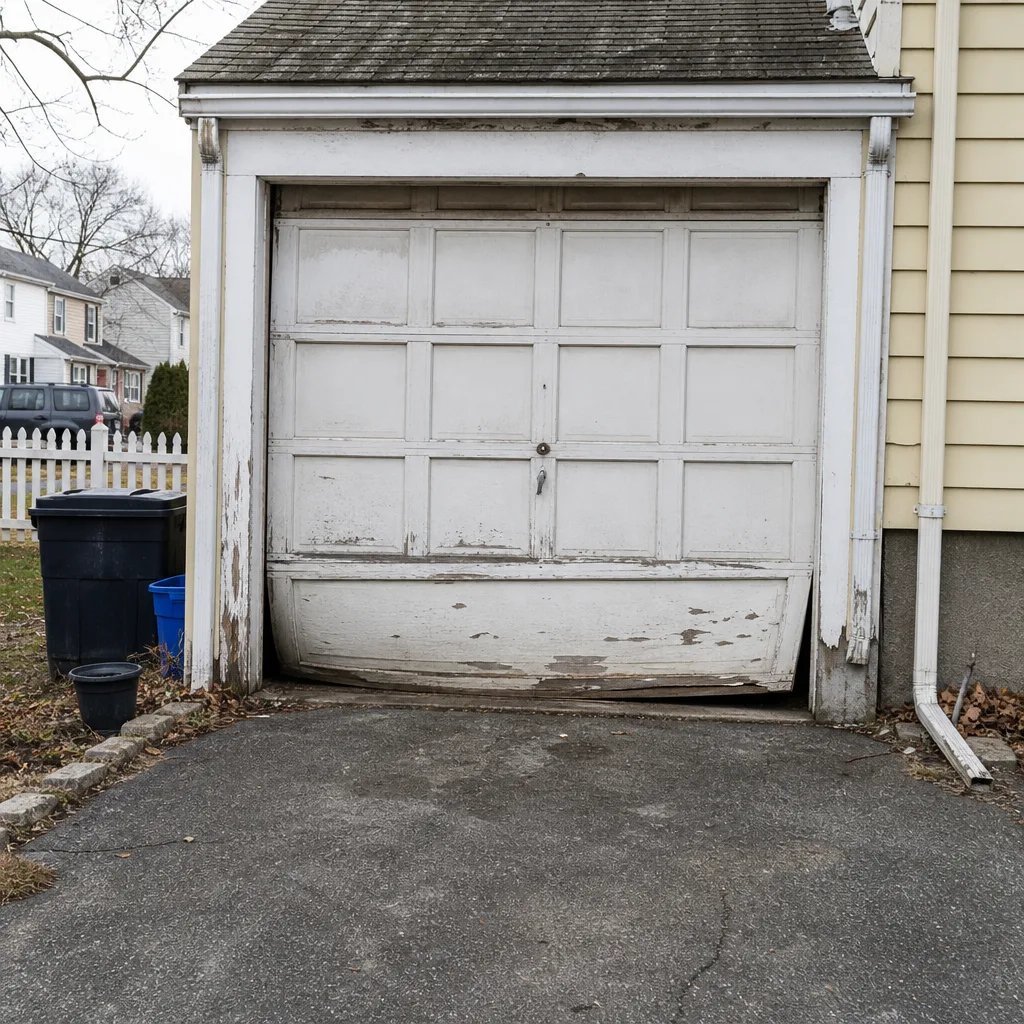 Before
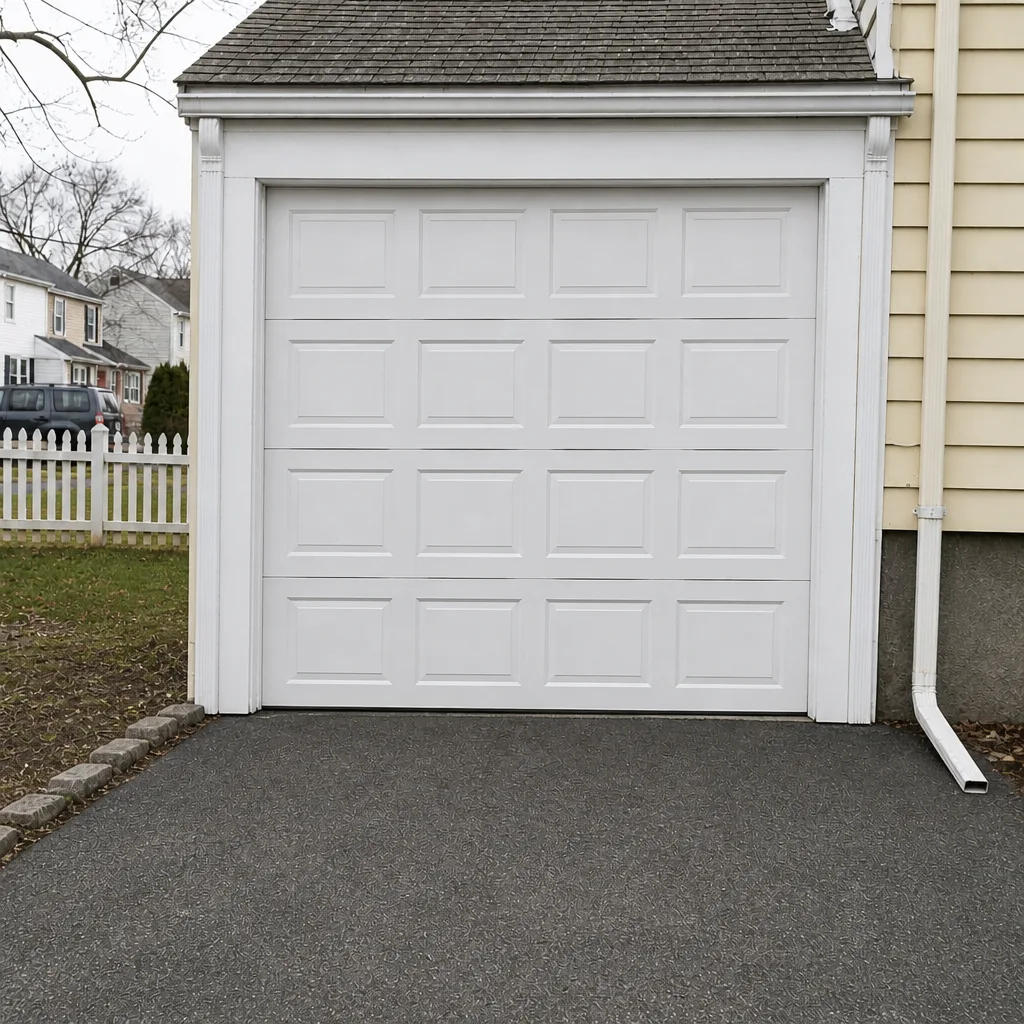 After
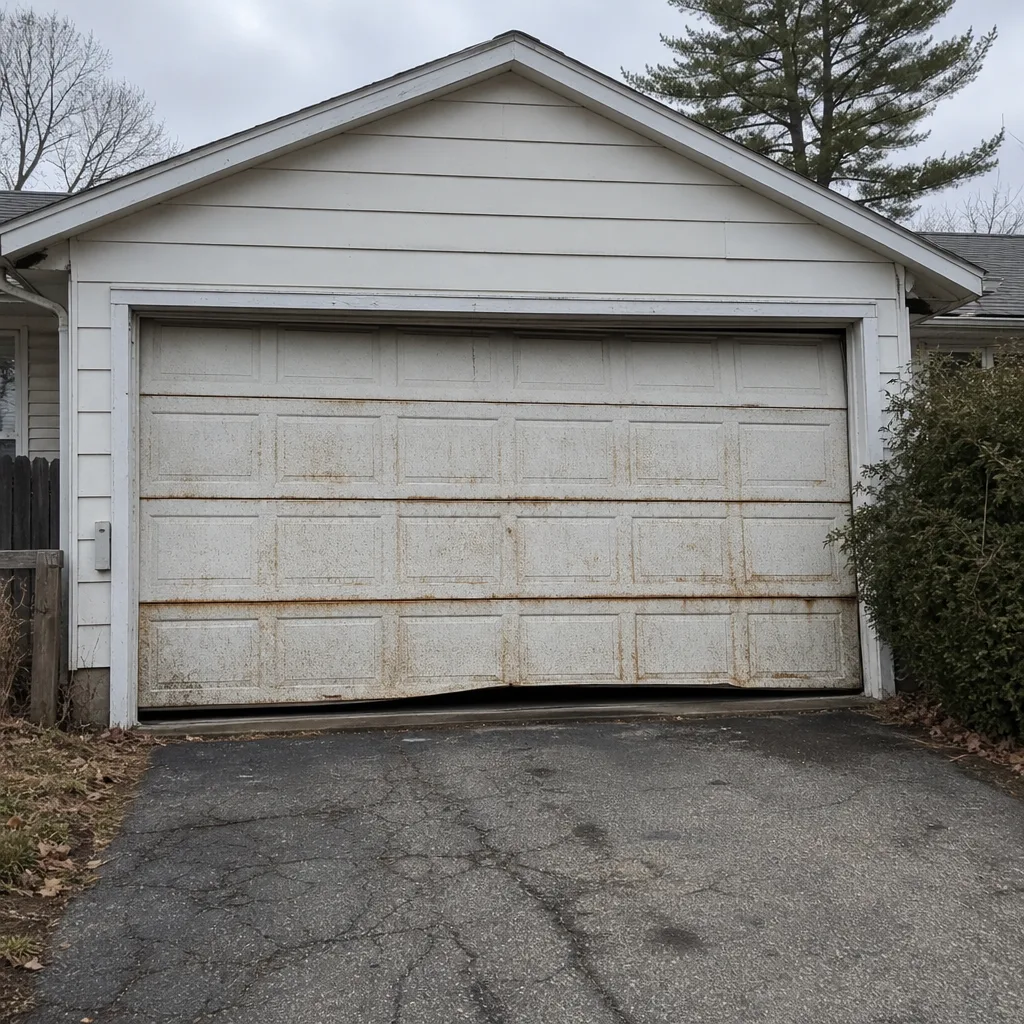 Before
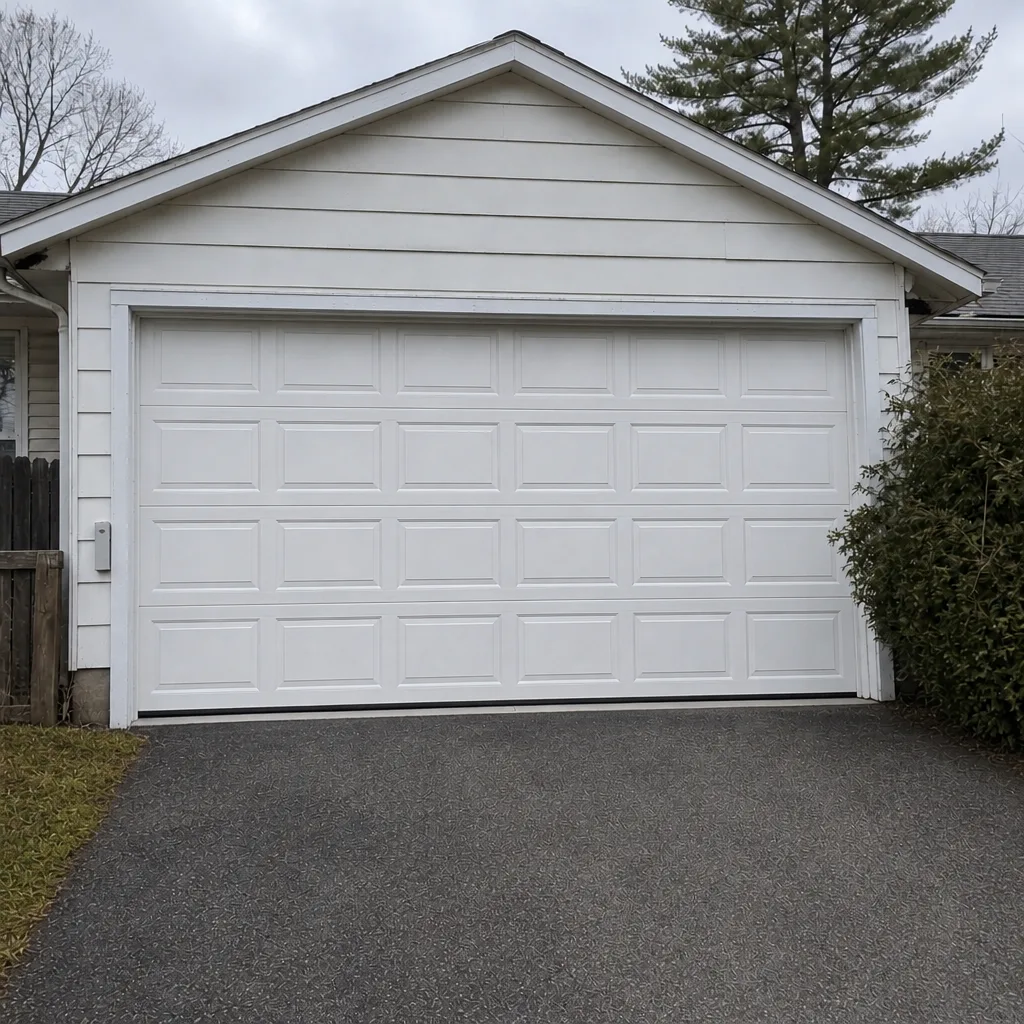 After
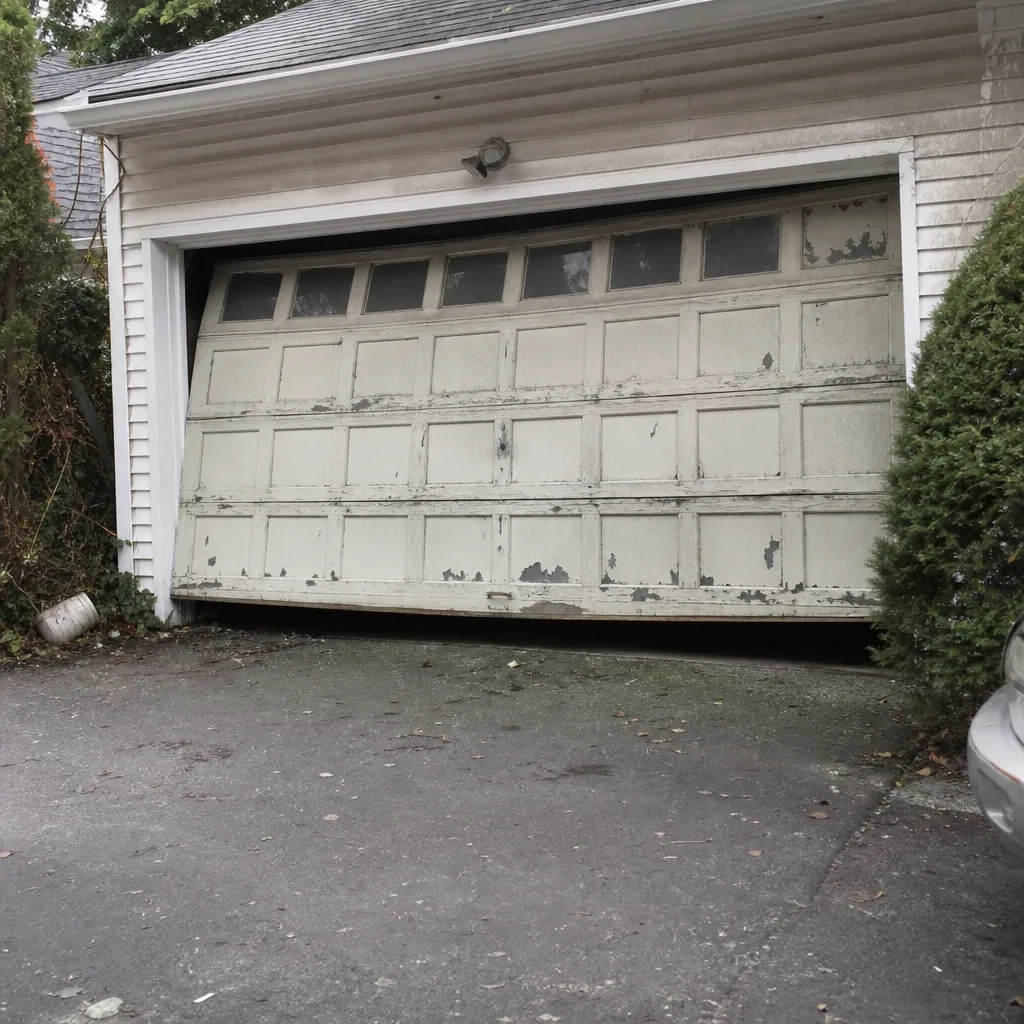 Before
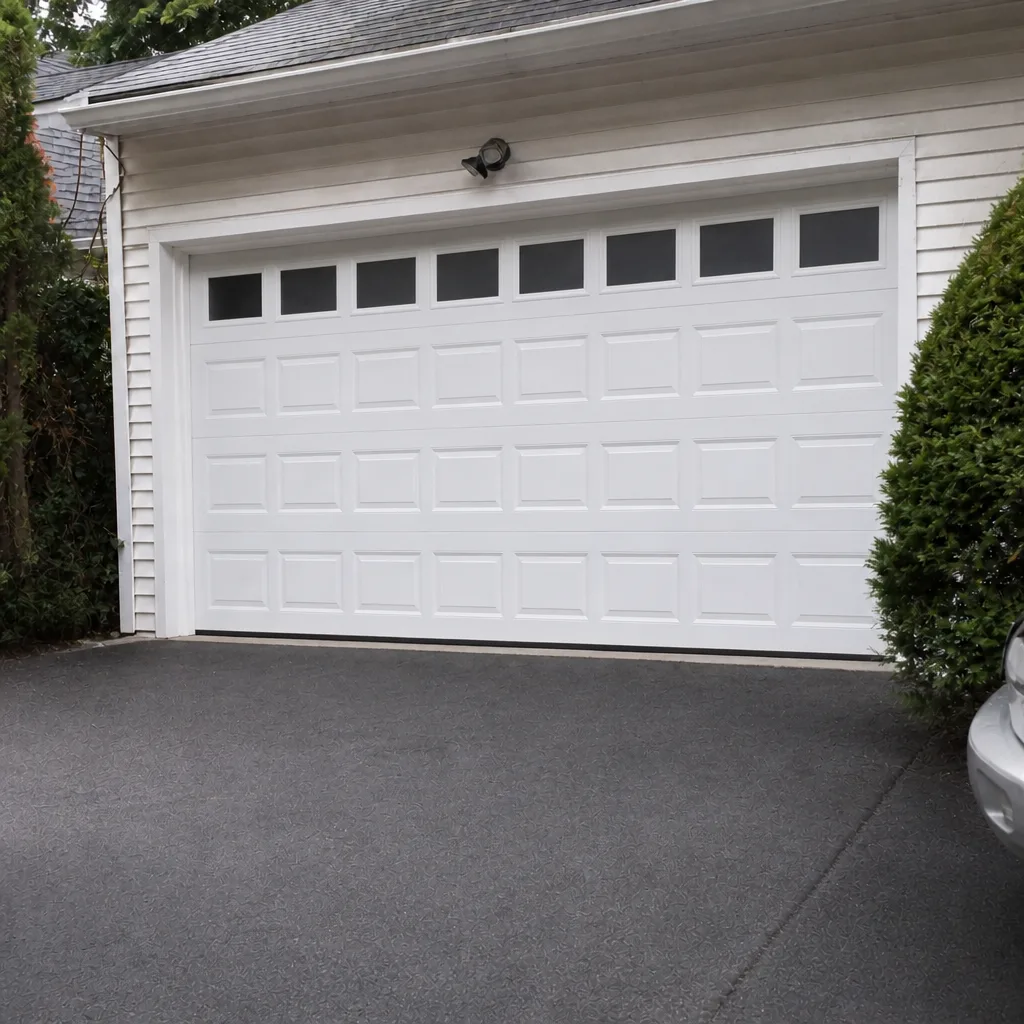 After
When to Call a Professional
Call a professional when the door replacement or opener install is part of a larger project, when you’re widening the opening, when the door between the garage and house needs work, or when the current door’s springs, cables, or opener are showing signs of failure and you’re not sure whether a repair or replacement is the right path. High-tension springs and cables are genuinely dangerous to work on without training; the torsion spring on a sectional door can cause serious injury, and that’s before we get to opener electrical. A trained professional should handle the spring, cable, and opener-piece work. If your question is really about the permit, the estimate, or the paperwork, that part we can do without a service call. Lynn Garage Door Service offers free estimates in Lynn – call (888) 902-1938. We answer 24/7. Fast dispatch from 7am to 7pm, Sunday through Friday.
Frequently Asked Questions
Most full garage door replacements in Lynn need a residential building permit from the city’s Inspectional Services Department, while simple repairs like replacing a spring, roller, or remote usually don’t. The scope of your specific project determines it, so confirm with the building department before the work starts. If you’re planning a replacement, call (888) 902-1938 for a free estimate and we’ll walk through what the city will likely want to see.
Replacing a failed opener with the same rated unit in the same location usually does not require a permit, but installing a new opener on a door that didn’t have one, or changing the unit’s rating or wiring, may. On an attached garage, the fire separation between garage and house is checked as part of the installation regardless. Call your city’s Inspectional Services Department to confirm the scope, and call us at (888) 902-1938 if you want an on-site look before you decide.
Massachusetts code requires a self-closing, fire-rated door between an attached garage and the living space, with the separation maintained through the wall and ceiling. The door between the garage and house needs to close and latch on its own, not be propped open. If your Lynn home has a hollow-core door or a broken closer, that’s a piece to correct before an inspection. Call us at (888) 902-1938 to schedule a look; estimates are free.
Timelines vary with the city’s workload, and the building department is the right source for a current estimate. For most residential door replacements the process is short, typically a matter of days, and the inspection is scheduled after the work is installed. Our advice is to call the department before the door is ordered. Call (888) 902-1938 for an estimate, and we can plan the ordering timeline around the permit.
An unpermitted door replacement can show up as an open permit or a compliance issue on a title search, which becomes a negotiating point at closing. In some cases, the buyer’s lender may require the work to be permitted and inspected before the sale can close. Massachusetts disclosure rules put the burden on the seller to be honest about prior work. Call (888) 902-1938 if you want a professional look at what a buyer’s inspector will be checking.
No. Spring, cable, roller, and panel repairs restore the existing door rather than changing the structure or the door’s operating system, and they don’t usually require a building permit in Lynn. Those repairs are still worth doing right, and high-tension springs and cables are genuinely dangerous to handle without training. Call (888) 902-1938 for a same-day repair; the estimate is free, the price is quoted before any work starts, and we close the door on the question of whether a replacement is needed.
The Bottom Line
Garage door work in Lynn is not the unpermitted gray area many homeowners assume. A full replacement, a new opener on a door that didn’t have one, structural header work, and anything that touches the fire separation between garage and house all cross into permitted work, and Lynn’s Inspectional Services Department is the authority on your specific project. Pulling the permit costs a modest fee, adds an inspection step, and buys you the paperwork that keeps your property clean at resale, on an insurance file, and in the eyes of a buyer’s inspector. The rest is straightforward: diagnose before replacing, work with a contractor who knows the brands already in your home, and keep the six pieces of documentation we listed. If you want a straight answer about what your Lynn project needs before you order a door, call (888) 902-1938 for a free estimate. We answer 24/7. Fast dispatch from 7am to 7pm, Sunday through Friday.
Written by the team at Lynn Garage Door Service.