
Last updated November 15, 2026
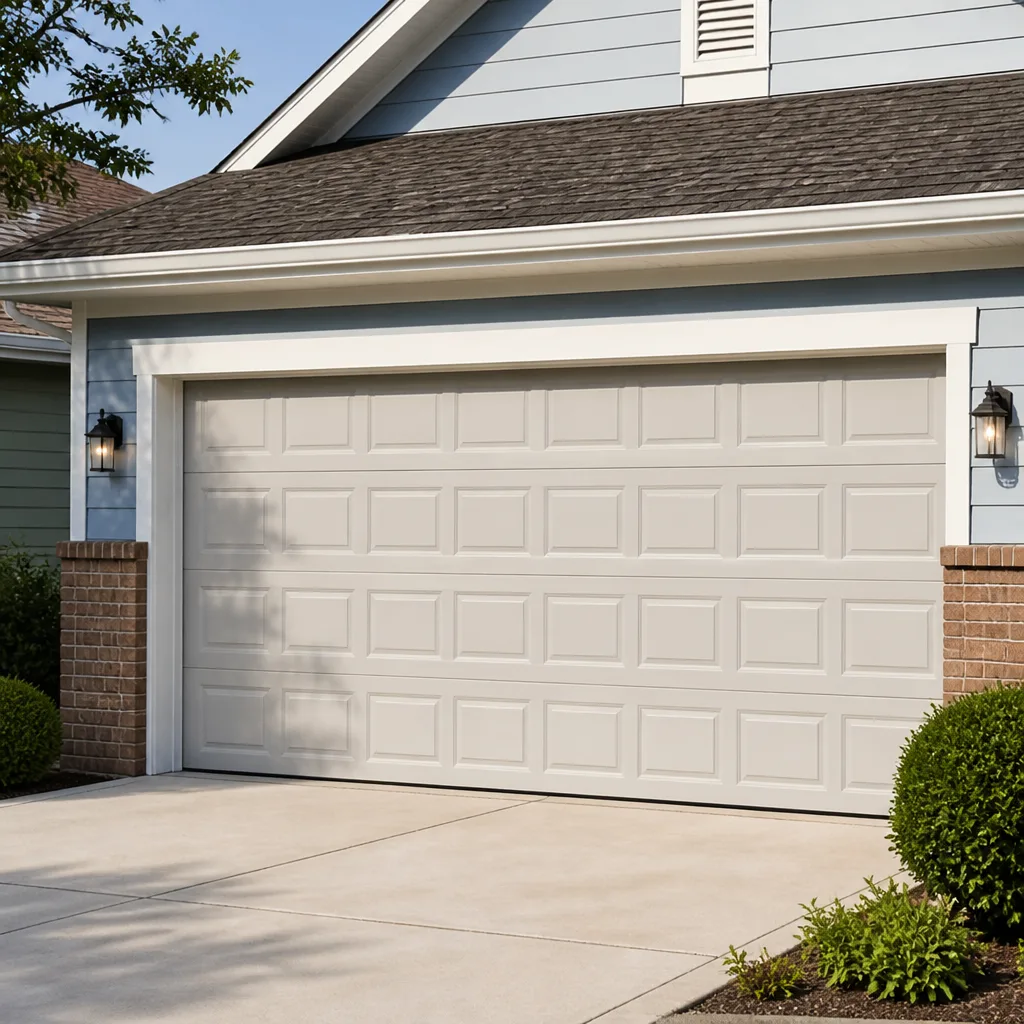 Raised-panel steel
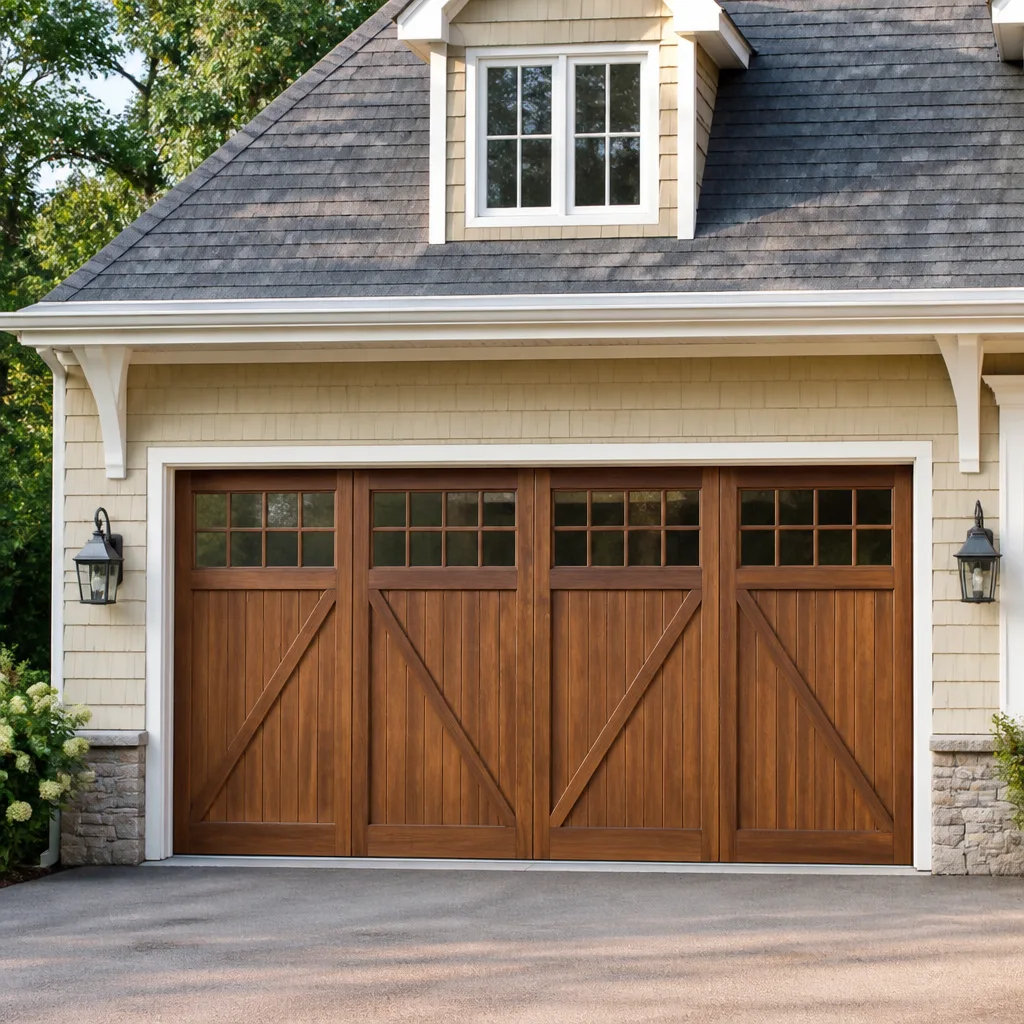 Carriage house
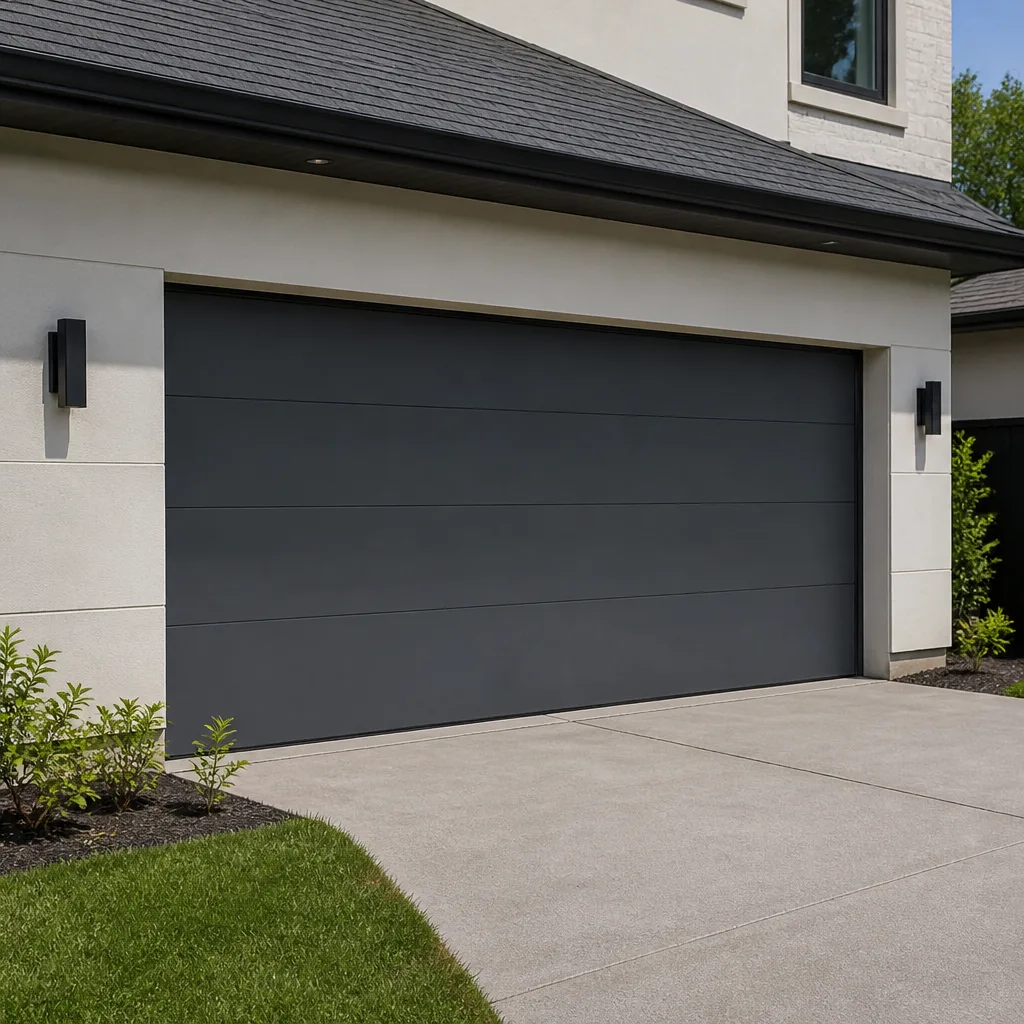 Modern flush
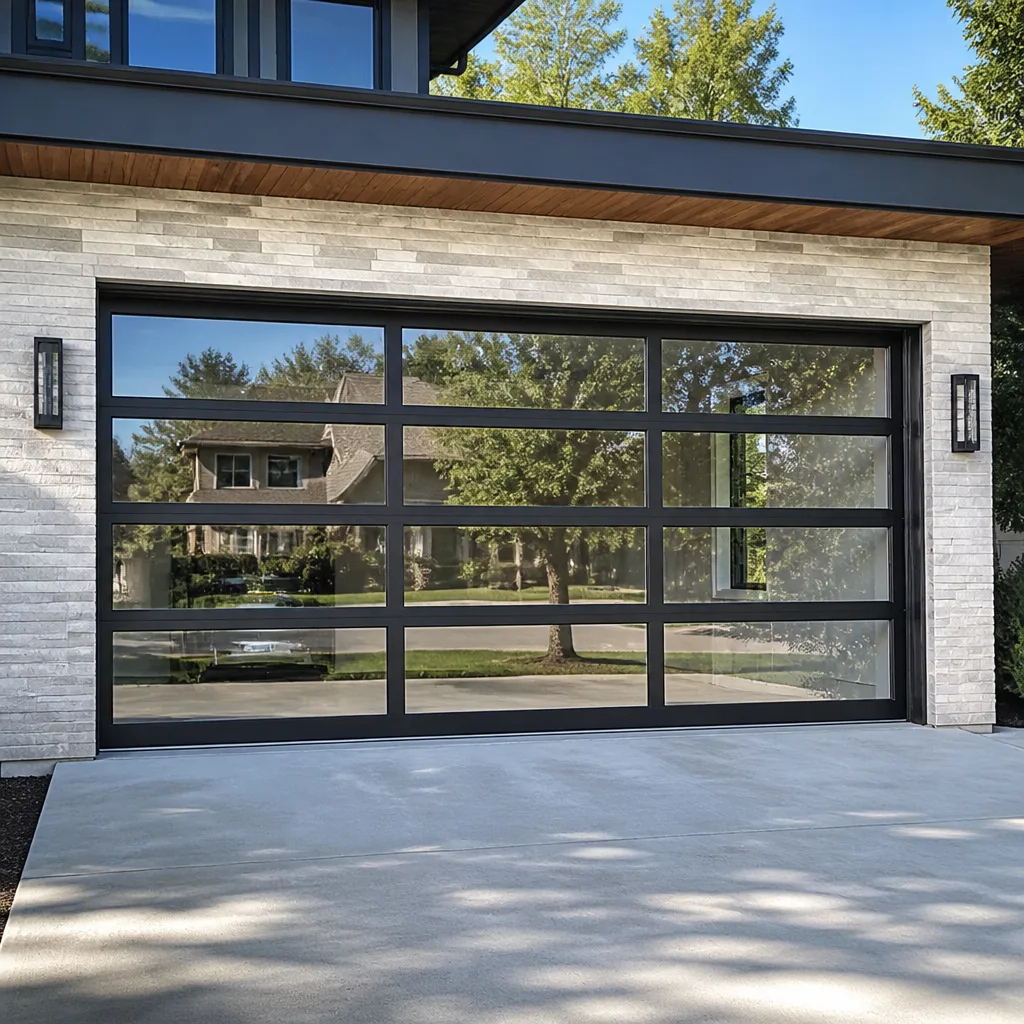 Full-view glass
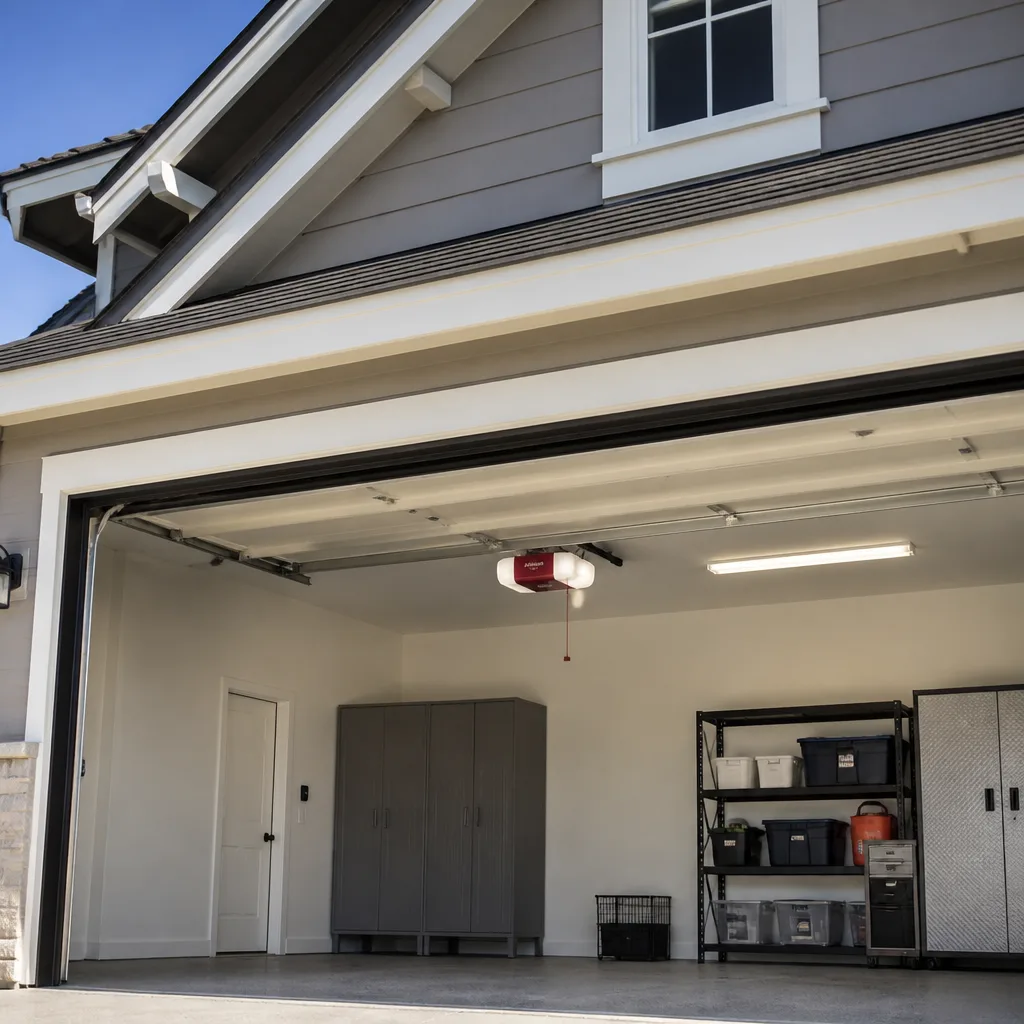 LiftMaster openers
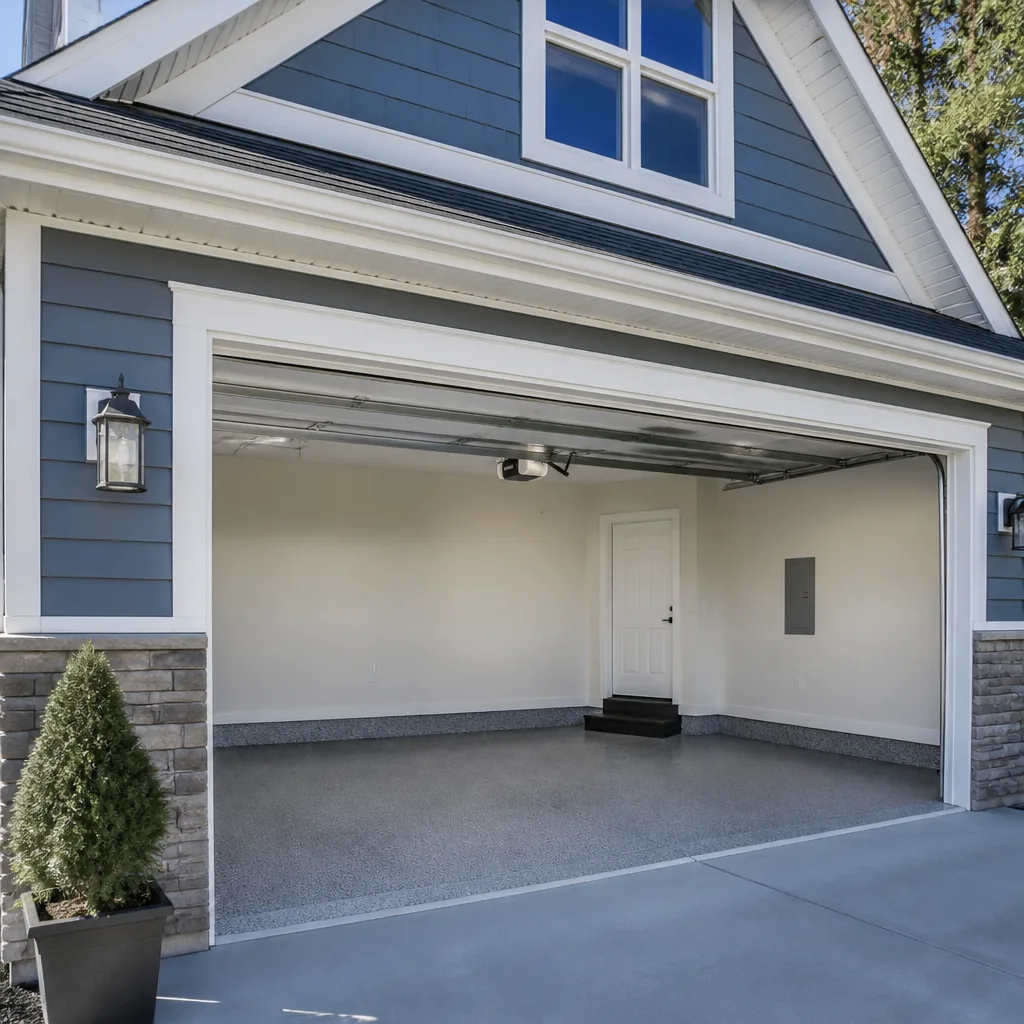 Chamberlain openers
Full 25-point door and opener safety check with every visit - springs, cables, rollers, tracks, and your LiftMaster or Chamberlain opener included
You get a price before we start. It does not change when the pro arrives.
Get your free estimateGarage Door Repair Maintenance Checklist for Lynn Homeowners
Most homeowners have never been told the balance test exists. That’s not laziness. Nobody hands you a manual when you buy a house with a garage, and the door is the one machine on the property that runs every single day without anyone thinking about it. A door that fails a 30-second balance check is quietly wearing out your opener motor, and you won’t notice until the motor quits or a spring lets go. This guide is built around the failure patterns our technicians actually find on Lynn doors, sorted into what you can safely check yourself and what needs a trained set of hands.
Quick Answer
A garage door maintenance checklist for Lynn homeowners should cover four things: a monthly visual inspection of springs, cables, rollers and tracks; a manual balance test with the opener disengaged; lubrication of the right parts with the right product (never WD-40 on springs); and an annual professional tune-up before winter. Anything involving torsion springs, cables under tension, or panel replacement belongs to a professional, not a weekend project. The seasonal timing matters more here than in most places because Lynn’s freeze-thaw cycles are hard on metal hardware.
Styles & brands we work with
- Raised-panel steel
- Carriage house
- Modern flush
- Full-view glass
- LiftMaster openers
- Chamberlain openers
Table of Contents
- The Monthly Visual Walk-Around
- The Manual Balance Test (Do This One)
- Lubrication: Which Product Goes Where
- What Lynn Winters Do to Your Hardware
- A Seasonal Timing Guide for Lynn’s Climate
- Opener and Safety-Reverse Checks
- Homeowner vs. Pro: Every Item Labeled
- Common Mistakes to Avoid
The Monthly Visual Walk-Around
Once a month, spend five minutes looking at the door with the opener disengaged and the door closed. That’s it. No tools, no ladder, no crawling. You’re looking for changes, not diagnosing them. A door that looked fine last month and now has a visible gap at one corner is telling you something shifted.
Here’s what to look at, in order:
- The springs. Look for visible gaps in a torsion spring above the door or stretched sections in an extension spring along the side track. A gap means the spring has broken. Stop here and call a professional. Do not try to open the door.
- The cables. These run along the sides, from the bottom corners up to the drums or pulleys. Look for fraying, kinks, or cable that has jumped off its drum. Frayed cable is a safety issue, not a maintenance item.
- The rollers. Each hinge holds a roller. Look for flat spots, chipped nylon, or rollers that have worked loose from the hinge. Worn rollers are one of the most common causes of a door that grinds or shudders on its way up.
- The tracks. Stand back and look at both vertical and horizontal tracks. They should be straight and parallel. A dented track from a bumped car or a shifted bracket will make the door drag on one side.
- The panels. Look for cracks, dents, loose hinges, or separation between sections. On older steel doors in Lynn, the bottom panel takes the worst of it because it sits closest to road splash and snow pileup.
- The weather seal. The rubber strip along the bottom should touch the floor evenly. A seal that’s cracked, flattened, or missing sections lets cold air and water into the garage.
- The hardware. Bolts and hinges should be tight. You can check these by hand. Don’t torque anything; if a bolt is loose, tighten it to snug and note it.
Anything you find on that list that isn’t just a loose bolt belongs to a professional. We handle garage door repair across Lynn, and the calls we get most often trace back to a small issue a homeowner spotted weeks earlier and let ride. A worn roller costs little to swap. A worn roller that chews through a hinge and drags the door out of alignment costs considerably more.
The Manual Balance Test (Do This One)
This is the single most useful check you can do, and almost nobody does it. A properly balanced door should stay put at any point in its travel when you let go. If it drops, sags, or shoots up on its own, your springs are out of adjustment or your opener is compensating for something it shouldn’t have to.
How to run the balance test
- Close the door completely.
- Pull the red emergency release handle to disconnect the opener. On most openers this hangs from the trolley on the rail above the door. Pull straight down toward the door, not toward the motor.
- Lift the door by hand to about waist height and let go. It should stay where you left it.
- Lift it to halfway and let go. Same result expected.
- Lift it to just above shoulder height and let go. If it holds, the door is balanced.
- Reconnect the opener by pushing the trolley back toward the door until it clicks into the carriage.
What a failed result looks like
Three outcomes mean the door needs a professional look:
- It drops when released. The springs have lost tension or the door is heavier than the springs were sized for. Your opener has been hoisting that extra weight every single time, which is exactly how motors burn out early.
- It rises on its own. Springs are over-tensioned or the door has gotten lighter (rare, but a panel replacement with a different material can do it). An over-tensioned door is a safety concern because the force stored in the spring is higher than the door needs.
- It moves in jerks or hangs up at one point. That’s usually a roller or track problem, not a spring problem, but it needs attention before it becomes one.
You should never adjust torsion springs yourself. The tension in a wound torsion spring is enough to cause serious injury in a fraction of a second, and the tools required to wind and unwind them safely aren’t things a homeowner owns. Extension springs carry similar stored energy and belong to the same rule. Run the test, note the result, and if it fails, call us at (888) 902-1938. We answer 24/7. Fast dispatch from 7am to 7pm, Sunday through Friday.
Lubrication: Which Product Goes Where
Lubrication is where well-meaning homeowners do the most damage. WD-40 is the default spray in most garages, and it is the wrong product for your garage door. WD-40 is a solvent and a light penetrating oil. It displaces water and frees stuck parts, but it doesn’t leave a durable film, and on a torsion spring it can actually strip the protective coating and speed up corrosion. Springs are under constant torsion stress and want a heavier, tackier lubricant that stays put.
What to use, and where
- Springs (torsion and extension): A dedicated garage door or lithium grease. Apply a light coat by hand with a rag or a small brush. Never spray solvent-based products on springs.
- Hinges and pivot points: A silicone-based lubricant or a light lithium grease. Aim for the pivot, not the flat surface.
- Rollers: Nylon rollers generally need nothing. Steel rollers want a small amount of light oil at the bearing, not the wheel face.
- Tracks: Nothing. Tracks should stay dry and clean. Grease on a track collects grit, and grit wears rollers. Wipe tracks down with a dry cloth and check for dents.
- Opener rail and chain: A small amount of the lubricant the opener manufacturer specifies. On a belt-drive unit, condition the belt per the manual, not with grease. LiftMaster and Chamberlain belt-drive openers in particular don’t want grease anywhere near the belt.
- Weather seal: A silicone spray on the rubber keeps it from drying out and cracking. This matters most going into winter.
The one-sentence rule
If it moves on a pivot, a light lubricant belongs there. If it rolls along a track, keep the track clean. If it’s under spring tension, use a proper grease and never a solvent spray.
Lubricate two to four times a year in a Lynn climate. Fall and spring are the key applications because those are the transition seasons when temperatures swing the widest and metal hardware expands and contracts the most.
What Lynn Winters Do to Your Hardware
Lynn’s winters are hard on garage door hardware in ways that a mild-climate maintenance guide won’t mention. The problem isn’t just cold. It’s the freeze-thaw cycle, road salt tracked in on tires, and the sheer amount of moisture sitting around metal parts for four or five months out of the year.
Here’s what we look for on Lynn doors that a generic checklist skips:
- Rust on the bottom panel and bottom hinges. The bottom of the door is closest to the ground, closest to snow pileup, and closest to whatever the car dragged in. Rust starts at the bottom bracket and works up. Look for bubbling paint or orange staining at the hinge points.
- Corrosion on the bottom rollers and their brackets. Steel rollers near the bottom of a Lynn door will show surface rust by mid-winter. Nylon rollers survive better but can crack in deep cold.
- Seized or stiff hinges. Cold weather thickens whatever lubricant is on the hinge, and a hinge that was fine in October can bind in January. That binding puts extra strain on the opener.
- Weather seal damage. Ice and snowpack against the door can crack or tear the bottom seal. A torn seal lets meltwater under the door and into the garage, where it refreezes overnight.
- Track misalignment from frost heave. Ground movement under the driveway or garage slab can shift the bottom track bracket slightly. That shift makes the door drag on one side and can eventually throw a roller.
- Interior components versus exterior. The spring and most of the track sit inside the garage, protected from road splash. The bottom panel, bottom brackets, and the seal face the weather. That’s why the lower third of the door ages faster than the top two-thirds in Lynn.
If you have a Craftsman or Raynor door with painted steel panels, pay particular attention to the panel seams. Paint damage at a seam is where rust gets its start. Touch-up paint is cheap and worth doing before the damage spreads.
A Seasonal Timing Guide for Lynn’s Climate
Most checklists say “check twice a year.” That’s not specific enough for a climate with real winters. Here’s how we’d time the work if it were our own door.
Early fall (September to October)
- Full walk-around inspection: springs, cables, rollers, tracks, panels.
- Lubricate hinges, springs, and pivot points with a proper grease.
- Silicone-spray the weather seal before it hardens.
- Test the balance of the door and the opener’s safety reverse.
- Check the bottom panel and brackets for early rust and touch up the paint.
Fall is the most important tune-up window in Lynn. You want the door running smoothly before the first hard freeze, not after.
Deep winter (January to February)
- Watch for new noises. A door that started groaning after the first cold snap is telling you a lubricant has stiffened.
- Brush snow away from the bottom of the door rather than shoveling it against the seal.
- Note any door that struggles to close all the way. A stiff seal or a cold-thickened hinge can stop the door from reaching the floor, and the opener’s safety reverse may kick in.
Spring (March to April)
- Re-lubricate everything the winter dried out.
- Check for rust that spread over the winter.
- Inspect the bottom seal for cracks caused by ice.
- Test balance again. Spring and fall are when springs are most likely to give out because springs weaken from temperature cycling.
Summer (June to August)
- Test the opener’s safety reverse, which we’ll cover below.
- Wipe down the tracks and check for debris, insects, or buildup.
- This is a good window to schedule any planned replacement or new installation. If you’re renovating and thinking about a new door, this is when a measure makes the most sense.
If you’re not sure where your door stands, a professional tune-up covers all of this in a single visit. Our technicians have up to 15 years of experience with doors of every brand, so the inspection is specific to your system, not a generic once-over.
Opener and Safety-Reverse Checks
Your opener is the most complex part of the system and the one most likely to have a quiet safety problem. The safety reverse is a photocell system or a force-sensing system that stops the door and reverses it if something is in the way. If it’s not working, the door will close on whatever it hits. Test it every couple of months.
Testing safety reverse
- Open the door fully.
- Place a piece of 2×4 flat on the floor where the door will meet it.
- Push the close button.
- The door should contact the board and reverse within a short distance. If it presses down and stops, the force setting is too high or the sensor isn’t working.
- Remove the board. Now test the photocells. With the door open, wave an object in front of the photo eye. The opener should register the obstruction. If the door doesn’t respond, the sensors may be misaligned or the lens dirty.
What else to look at
- Lighting and signal. Weak range on your remote usually means a dying battery or an LED bulb in the opener that’s interfering with the radio signal. Genie and Chamberlain openers are both sensitive to this.
- Wall control and safety label. Check that the wall button works and that the safety label near the button is readable. These are small things that tell you the system was installed correctly.
- Belt and chain tension. On LiftMaster and Chamberlain belt-drive units, a belt that’s too slack will slap the rail. A chain that’s too tight will whine. Both are adjustments, not replacements, but they’re easiest to get right when a technician is already there.
- Smart and connected openers. If your opener connects to an app or a home hub, check that it still responds after a router change or a firmware update. Connectivity problems are one of the most common opener calls we get, and they’re rarely the motor itself.
- Manual release. The red handle should pull smoothly and the trolley should reconnect cleanly. A release that’s stiff or stuck means the door won’t operate by hand if the opener fails.
If any of those tests come back off, that’s the moment to call for garage door opener repair. Small opener issues are cheap to fix. A motor that’s been straining against an unbalanced door for months is not.
Homeowner vs. Pro: Every Item Labeled
Here’s the checklist sorted by what you can safely do and what belongs to a trained professional. Be honest with yourself on this one. The items marked pro aren’t a liability dodge. They’re the ones where the stored energy in the system can hurt you.
Homeowner-safe
- Visual inspection of springs, cables, rollers, tracks, and panels.
- Running the manual balance test (disengaging and lifting the door).
- Lubricating hinges and pivot points.
- Silicone spray on the weather seal.
- Checking that bolts and hinge screws are snug (hand-tight).
- Wiping down tracks.
- Testing safety reverse and photocells per the owner’s manual.
- Replacing opener remote batteries.
- Touching up paint on rust spots.
- Cleaning snow away from the bottom seal.
Call a professional
- Any torsion spring that has broken, lost tension, or needs adjustment.
- Any extension spring that’s stretched, broken, or needs replacement.
- Cable replacement or re-tensioning.
- Track realignment or bracket repair.
- Roller replacement when the track needs to come apart.
- Panel replacement on a door under tension.
- Opener motor, logic board, or safety sensor repair.
- Anything that involves working on the door while it’s disconnected from the opener and under spring load.
- Full installation or replacement, including picking a door size and style that fits the opening.
We work on the door you already have. That means we’re not going to tell you a Raynor or a LiftMaster door needs to be replaced when it needs a hinge. Diagnosis before replacement is the only approach we recommend, because a well-built door will outlast several sets of springs if the hardware is maintained.
Common Mistakes to Avoid
- Using WD-40 on springs. It strips the protective coating and leaves nothing behind. Use a proper grease instead, and your springs will last longer.
- Greasing the tracks. It seems logical, but it collects grit and wears rollers. Tracks stay dry.
- Adjusting torsion springs yourself. The stored energy in a wound spring can release in an instant. This is the single most dangerous task on the list, and it’s the most common thing homeowners try.
- Ignoring a failed balance test. Homeowners who never run it don’t know it failed. Homeowners who run it and let it slide are paying for it in opener wear.
- Shoveling snow against the door. It packs against the bottom seal, freezes solid, and the opener then has to force the door through it. A strip of ice at the base of the door is a Lynn winter staple, and it’s preventable.
- Skipping the fall tune-up. Waiting until something feels wrong in January means you’re calling a technician in the middle of the worst weather of the year instead of in October when there’s time to fix a small issue.
- Assuming a stiff door means the opener is dying. A stiff door is usually a roller and hinge problem. Replacing the opener without fixing the door is a waste of money.
When to Call a Professional
Call a professional when the issue involves stored energy (springs or cables), when a safety-reverse test fails, when the door has gone out of balance, or when the opener runs but the door doesn’t move. Those are the moments where a five-minute fix turns into a bigger repair if you keep pushing it. If you’re in Lynn and you’ve run the checklist and something isn’t right, we offer free estimates and we’ll tell you honestly whether a repair is worth it or whether a replacement is the better call. Call (888) 902-1938. We answer 24/7. Fast dispatch from 7am to 7pm, Sunday through Friday.
See the difference
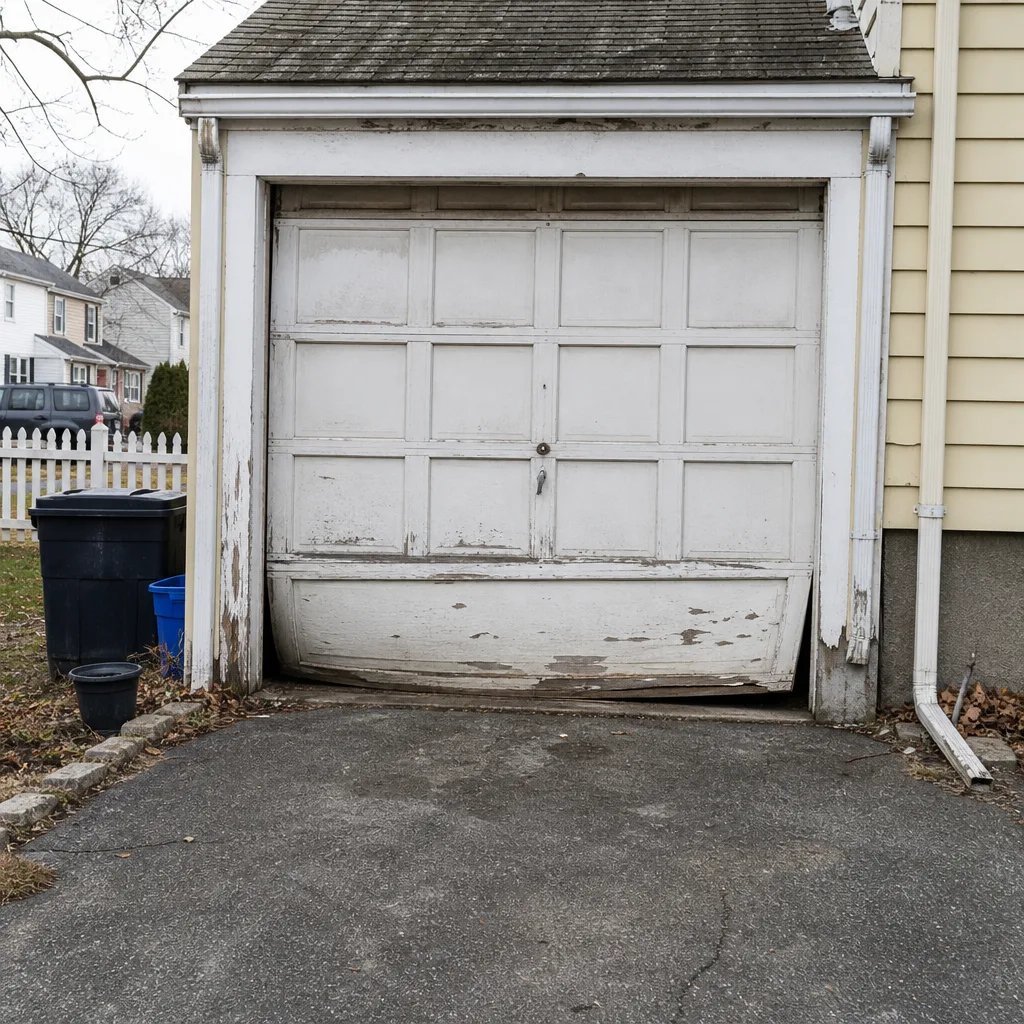 Before
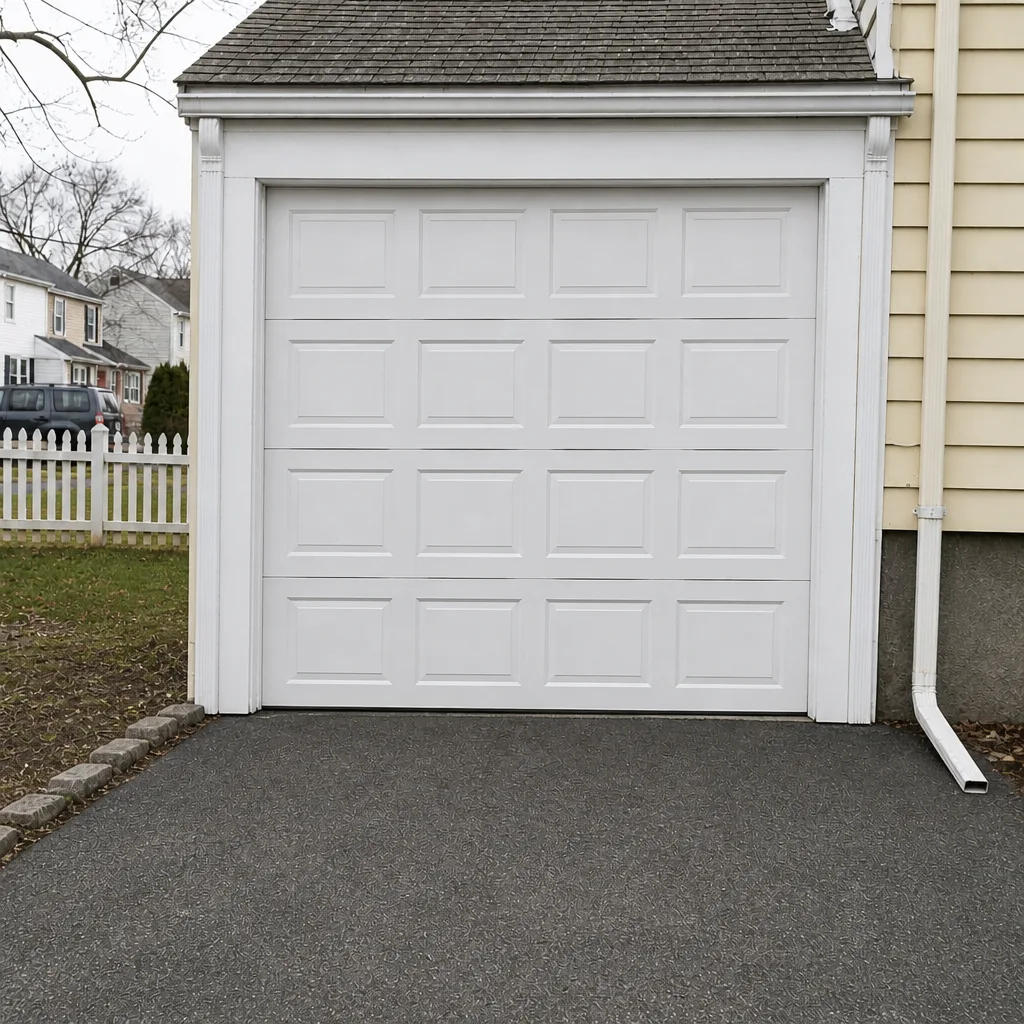 After
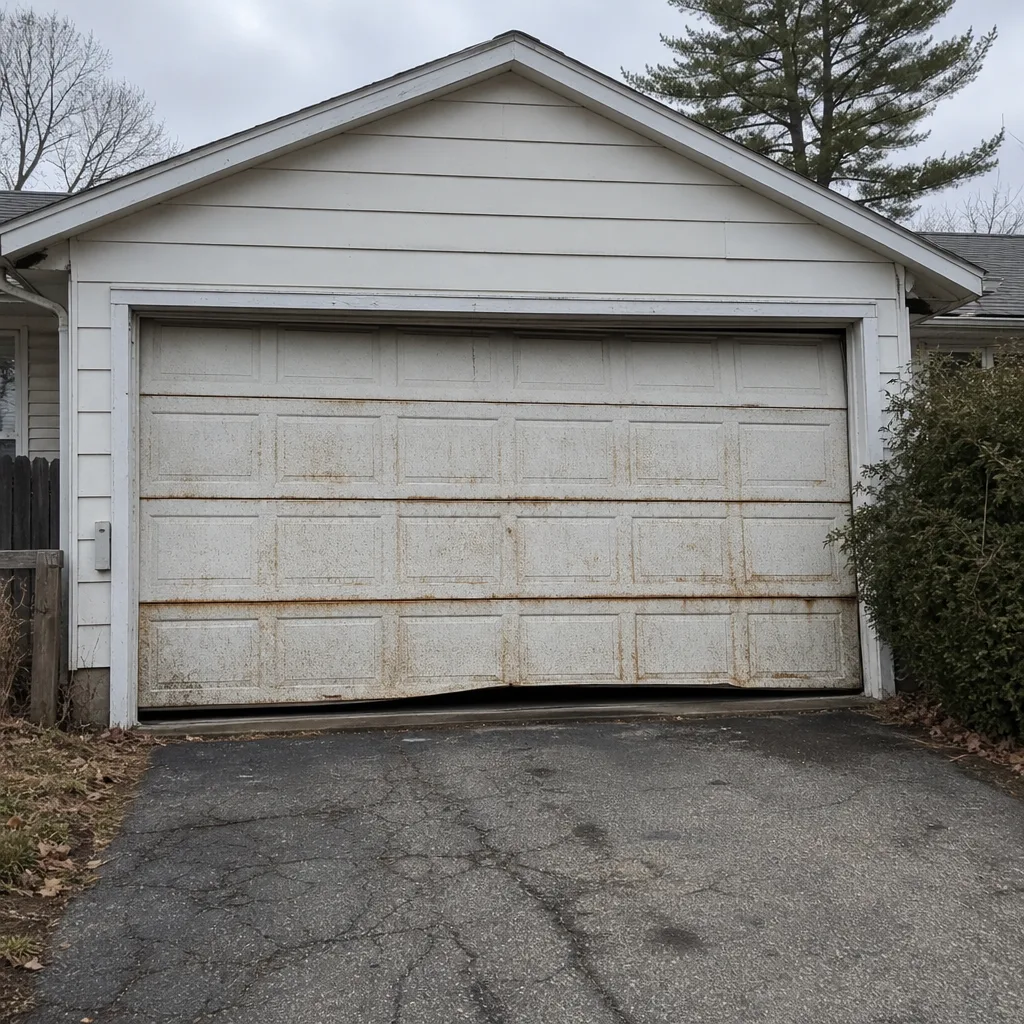 Before
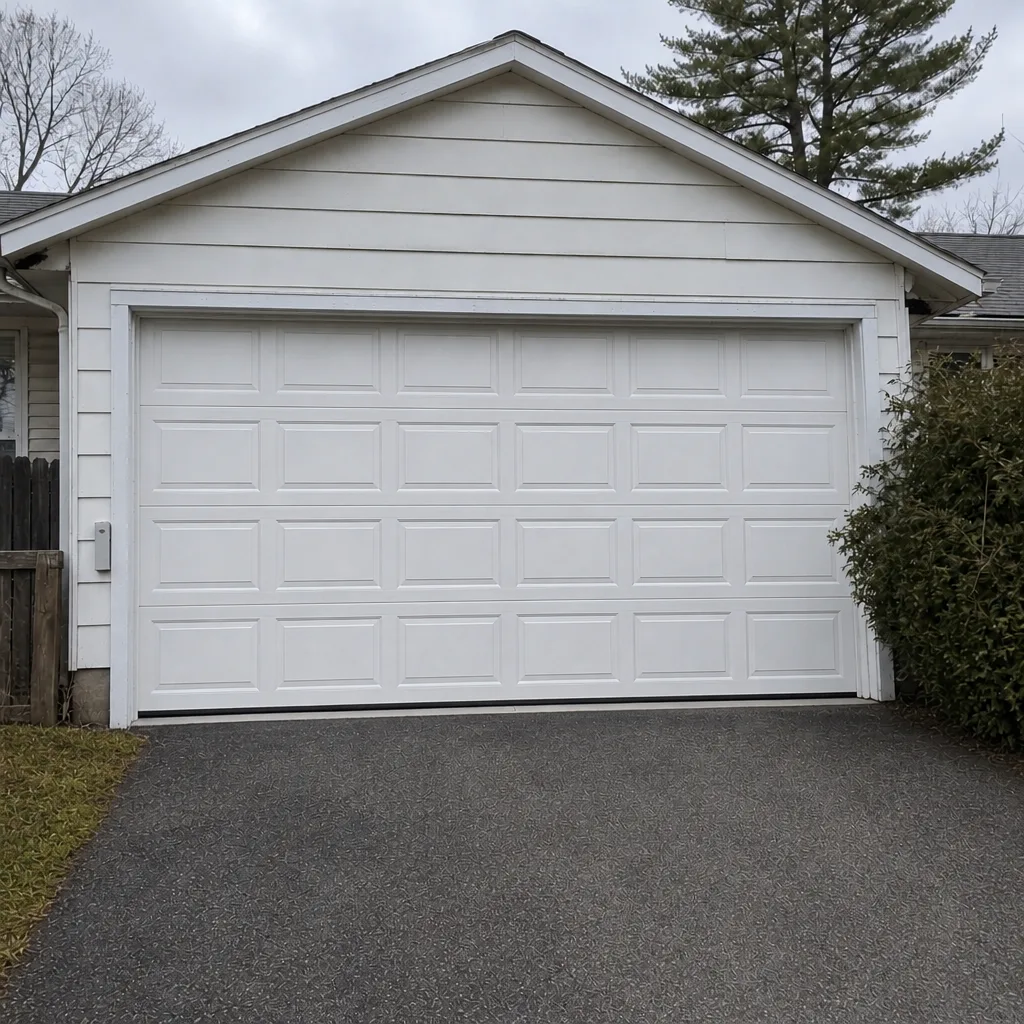 After
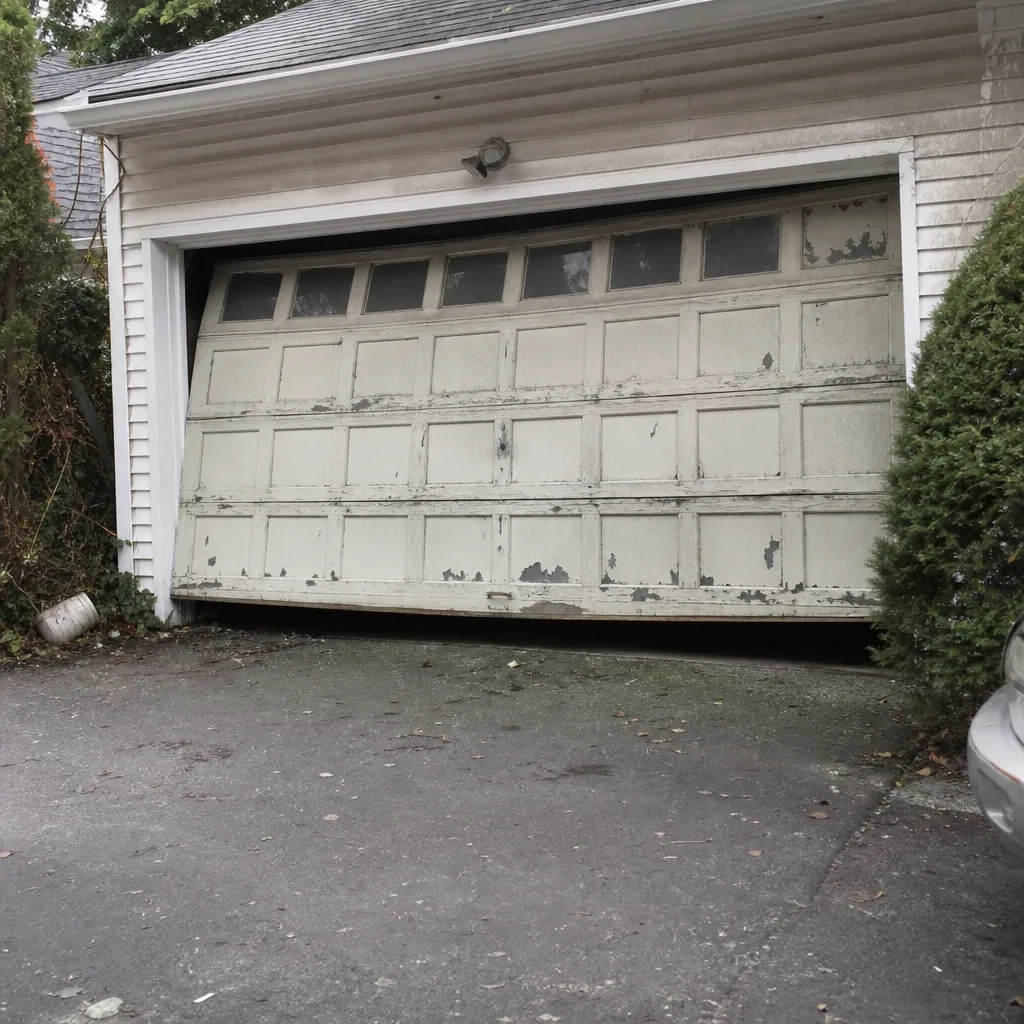 Before
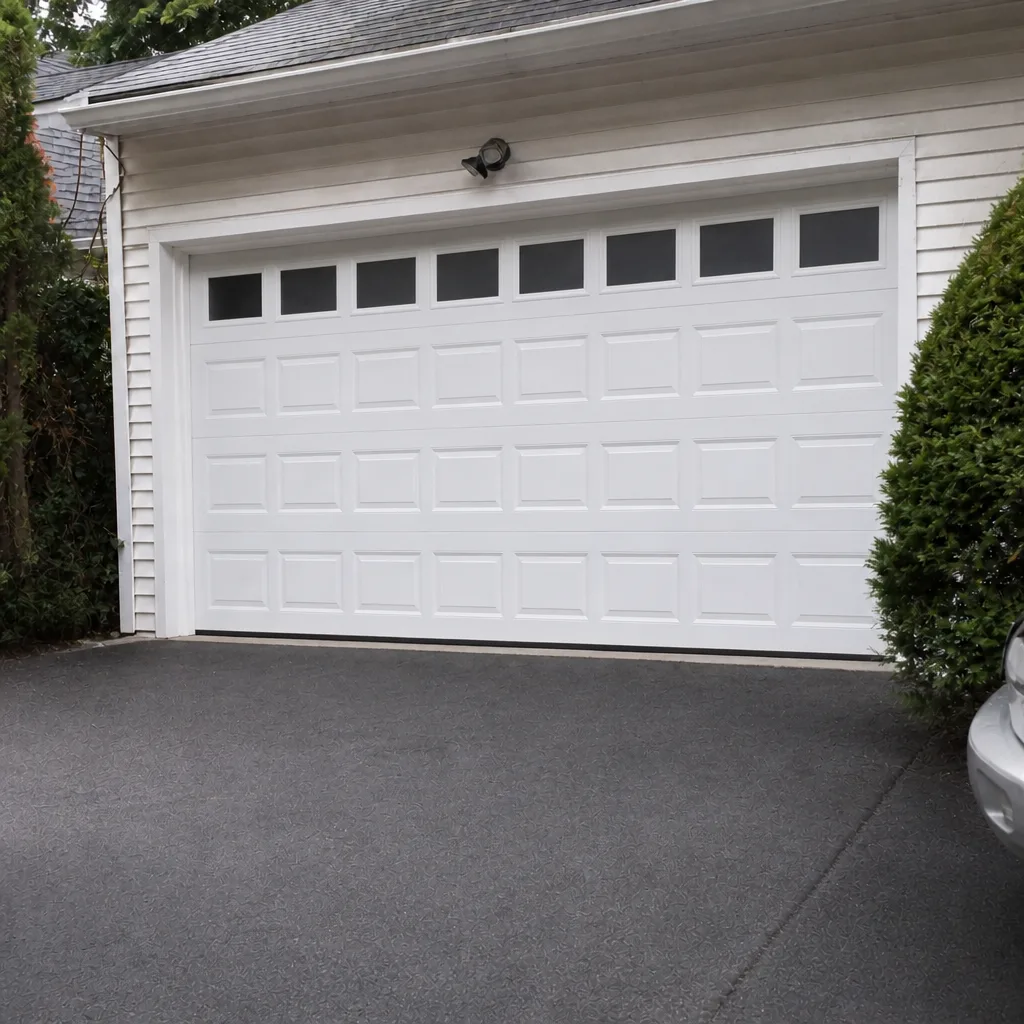 After
Frequently Asked Questions
Run the visual walk-around once a month and the balance test every two months. A full professional tune-up should happen in the fall, before the first hard freeze, and it helps to re-lubricate in the spring after the winter dries everything out. Lynn’s freeze-thaw cycle is harder on hardware than a mild climate, so the fall tune-up matters more here than the generic “twice a year” advice you’ll find elsewhere.
A door that suddenly struggles to open or a new noise is usually the first sign. Grinding, popping, or a door that shudders on one side usually points to a roller or track issue, while a door that opens slowly and feels heavy when you lift it by hand points to a spring problem. Any of these are worth a call to (888) 902-1938 for a free estimate.
Yes, if you disconnect the opener first by pulling the red release handle and lift the door with both hands at a comfortable height. What isn’t safe is winding or adjusting the springs, or lifting a door you already know has a broken spring. A door with a broken torsion spring can fall unexpectedly, so if you see a visible gap in the spring, skip the test and call a professional.
Not on the springs, hinges, or rollers. WD-40 is a solvent-based spray that displaces water but doesn’t leave a durable lubricant film, and on springs it can strip the protective coating. Use a dedicated garage door grease or lithium grease on springs and hinges, keep the tracks dry, and use silicone spray on the weather seal.
The bottom panel and lower hinges face the worst of Lynn winters: road salt on tires, snow pileup against the door, and months of moisture sitting on metal at ground level. The top panels and interior hardware age far more slowly because they stay protected. Touching up paint at the first sign of bubbling is the simplest way to slow it down.
We connect homeowners with state-licensed, insured independent local professionals who perform the work. Our technicians have up to 15 years of experience across brands like LiftMaster, Chamberlain, Genie, Clopay, Amarr, Wayne Dalton, Craftsman, and Raynor. Call (888) 902-1938 for a free estimate.
The Bottom Line
The maintenance that protects a garage door in Lynn comes down to a few things done consistently: a monthly visual check, the balance test most homeowners have never been told about, proper lubrication with the right product, and a fall tune-up before the freeze sets in. Sort the tasks by what you can safely do and what belongs to a professional, and don’t touch a torsion spring. A door that’s inspected and lubricated on schedule outlasts an ignored one by years, and the opener motor gets to keep working at the job it was built for. Start with the walk-around this week. It takes five minutes.
Contact Us
If your checklist turns up something you’d rather not handle yourself, or if you just want a trained eye on the door before winter, we’re ready. We work on the door you already have, whatever brand and whatever shape it’s in, and we’ll tell you plainly whether a repair makes sense or a replacement does. We cover Lynn and the surrounding area. Call (888) 902-1938 for a free estimate. We answer 24/7. Fast dispatch from 7am to 7pm, Sunday through Friday. One call covers repair, opener work, and full installation through Lynn Garage Door Service, so you don’t have to track down a second company if the diagnosis turns into a bigger job than expected.
Written by the team at Lynn Garage Door Service.