
Last updated November 15, 2026
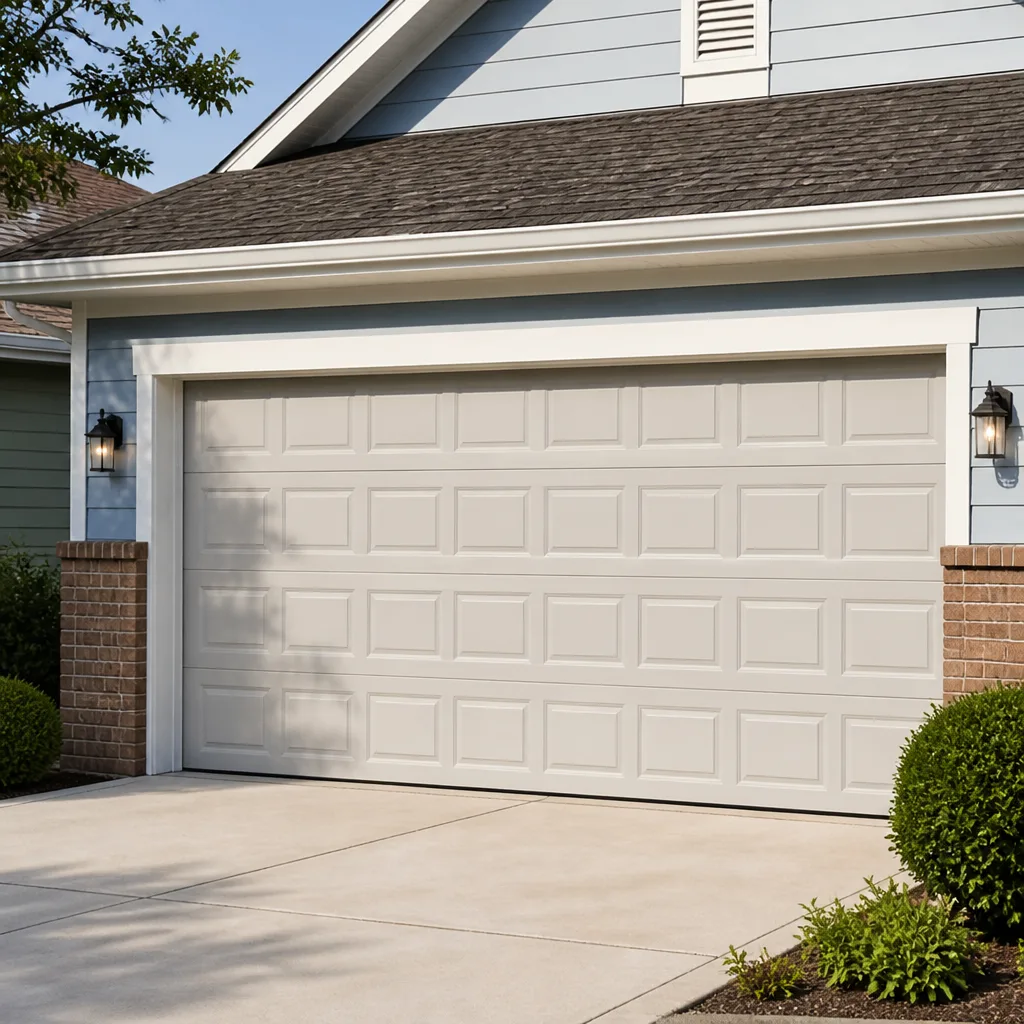 Raised-panel steel
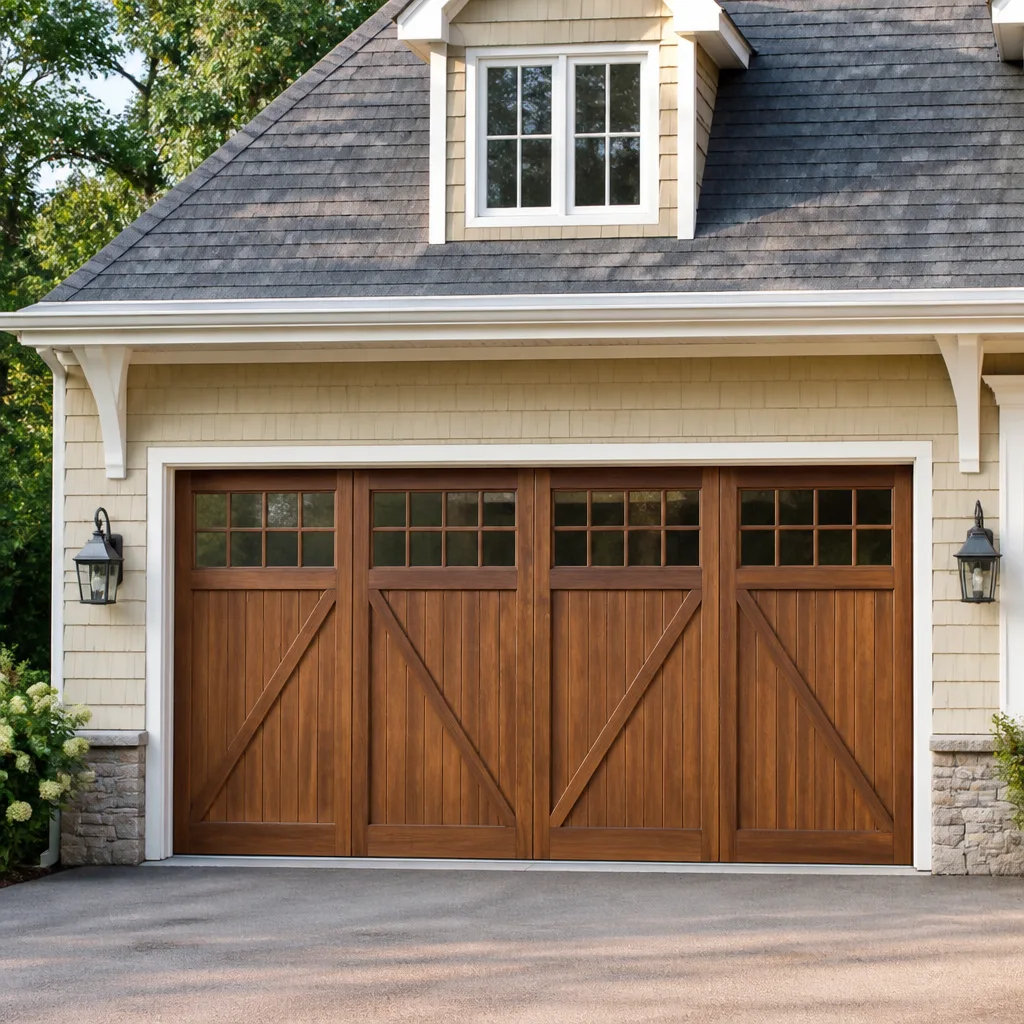 Carriage house
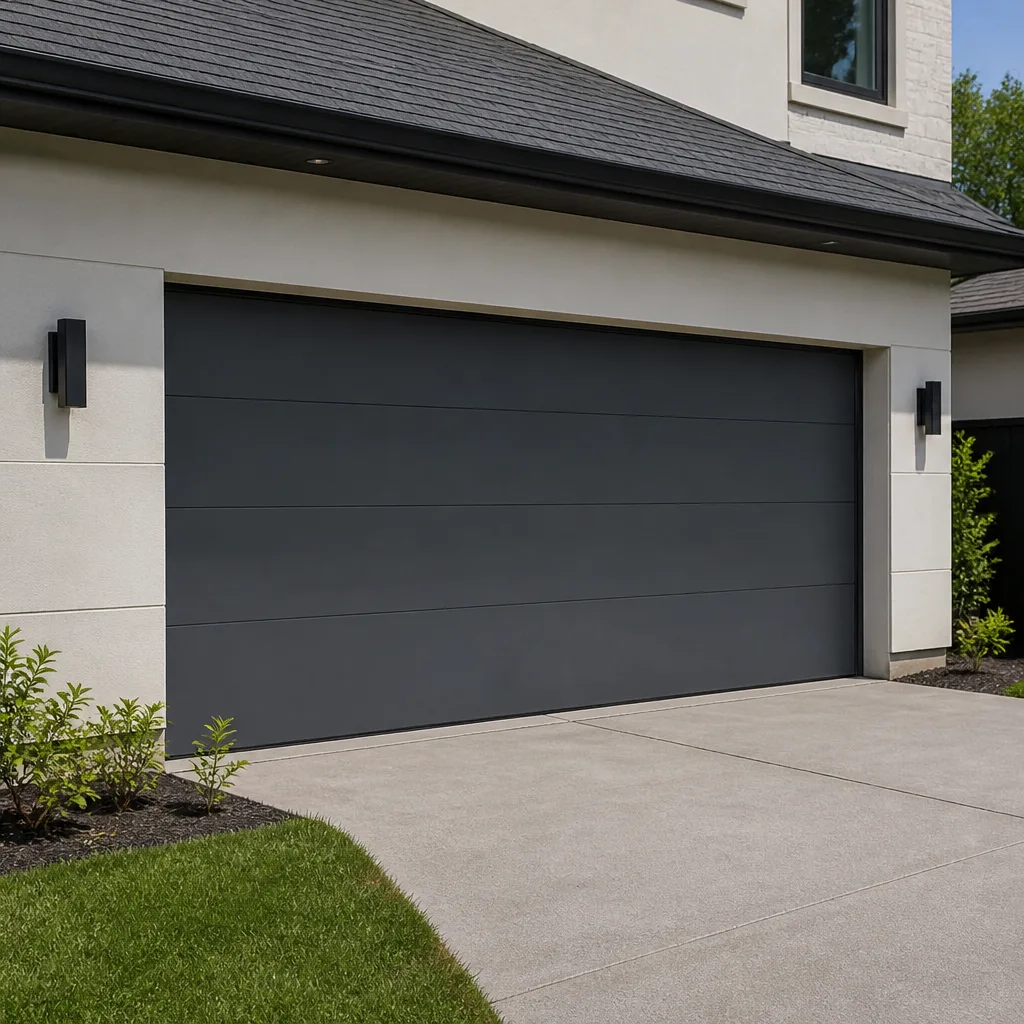 Modern flush
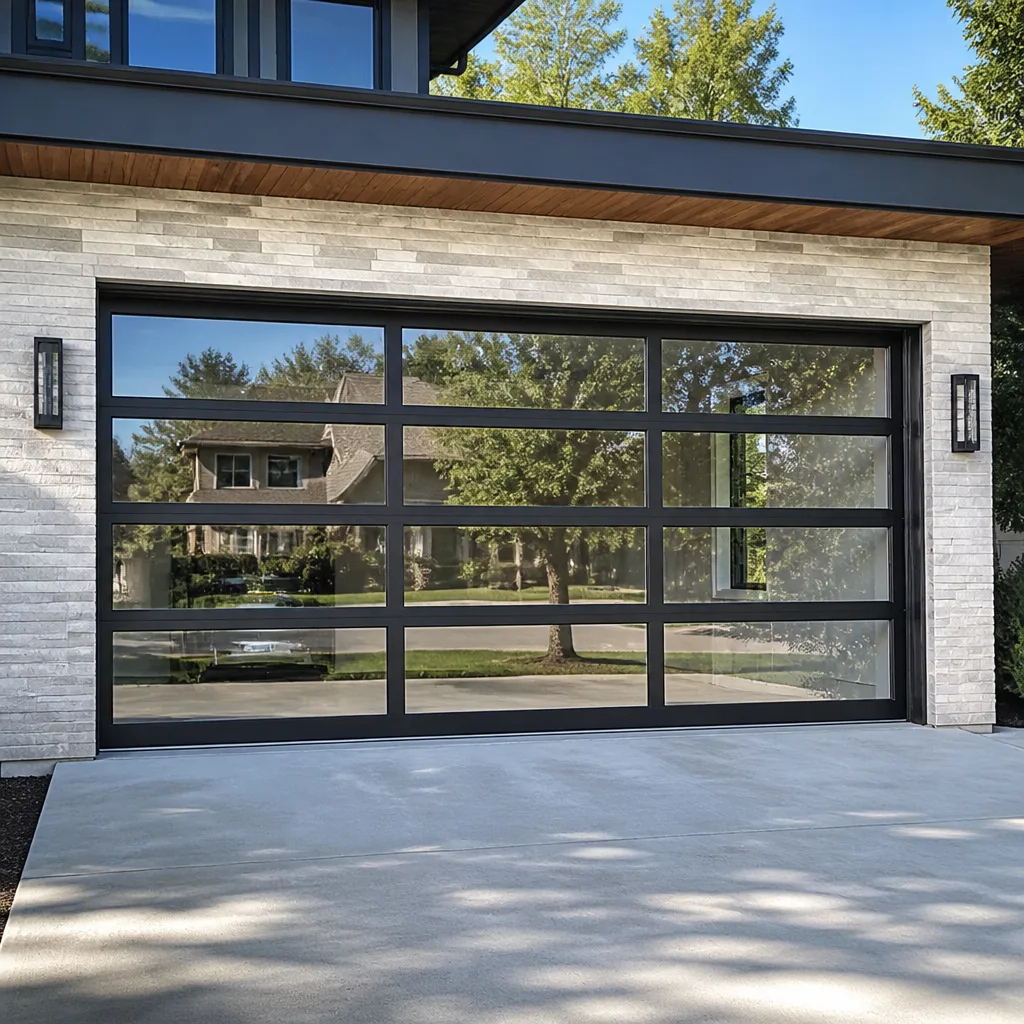 Full-view glass
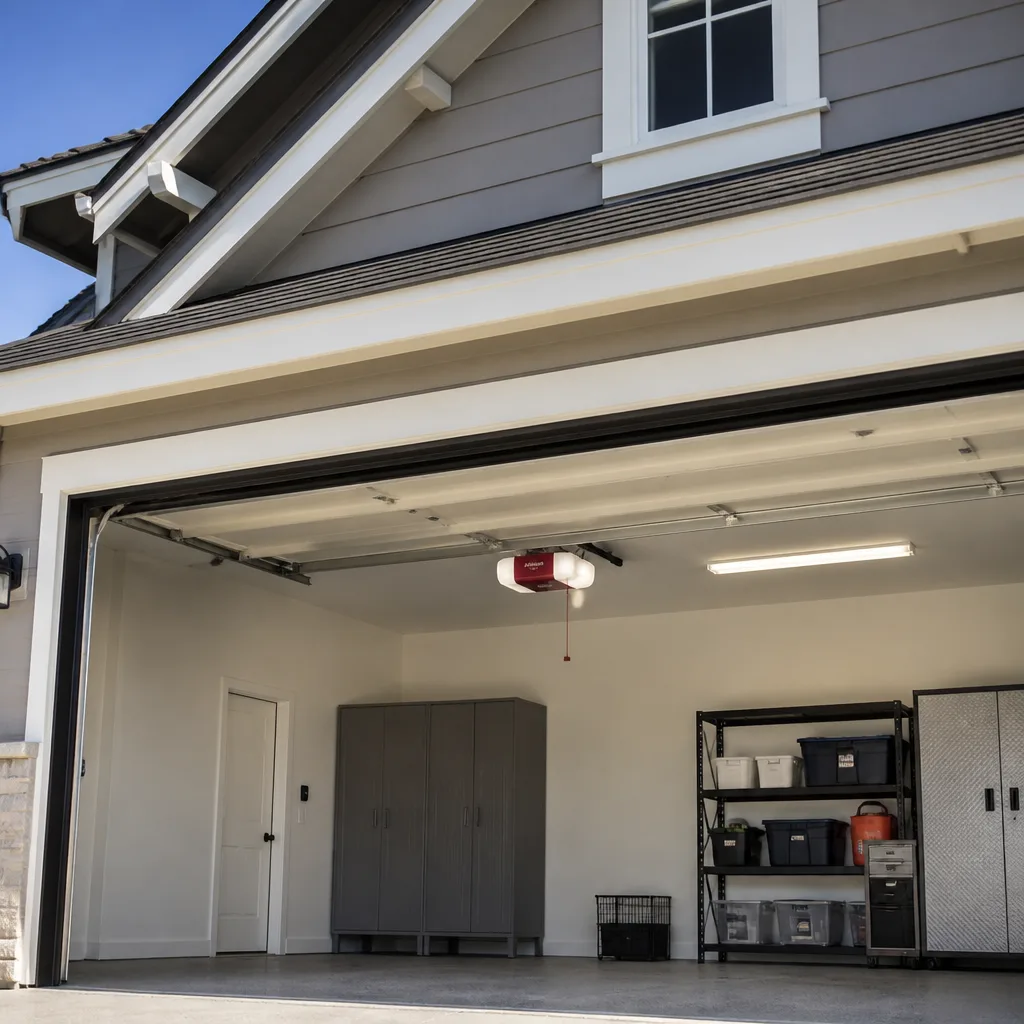 LiftMaster openers
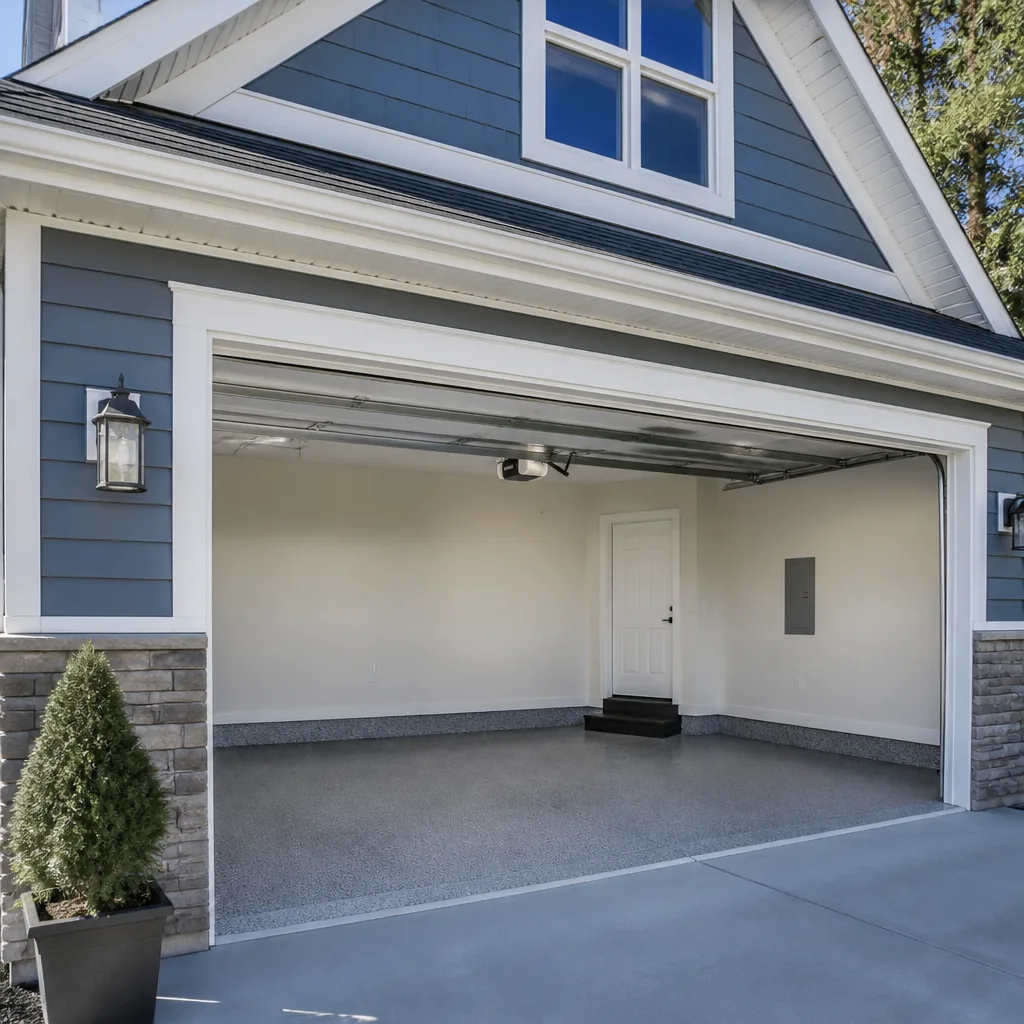 Chamberlain openers
Full 25-point door and opener safety check with every visit - springs, cables, rollers, tracks, and your LiftMaster or Chamberlain opener included
You get a price before we start. It does not change when the pro arrives.
Get your free estimateGarage Door Repair Troubleshooting in Lynn: Common Problems and How to Fix Them
A garage door that reverses before it touches the floor is a different problem from one that touches the floor and then reverses. Same symptom on paper. Completely different cause, and a different fix. That distinction matters more than any checklist, because most troubleshooting advice treats every reversal as “something’s in the way” and sends homeowners down a path that never finds the real fault. We’re Lynn Garage Door Service, and in this guide we’re teaching you to read symptoms the way a technician does: by sound, movement, position, and pattern. You’ll learn which failures you can safely reset yourself, which ones mean stop and call, and why the humidity in this city quietly changes the whole picture.
Quick Answer
Most garage door problems fall into one of two buckets: things you can safely reset yourself (blocked photo-eye sensors, dead remote batteries, misaligned safety beams, a reversed travel limit) and things that require a trained technician (broken torsion springs, cables off their drums, bent tracks, opener logic failures). If you hear a loud bang followed by a door that won’t lift, or you see a snapped coil above the door, stop operating it and call for help. Our technicians have up to 15 years of experience matching symptoms to causes, which usually means one visit instead of three.
Styles & brands we work with
- Raised-panel steel
- Carriage house
- Modern flush
- Full-view glass
- LiftMaster openers
- Chamberlain openers
Table of Contents
- Why Symptom-First Troubleshooting Beats Component Guessing
- The Door Won’t Open: Reading the Failure
- The Door Reverses: Two Symptoms That Look Alike
- The Door Works but Grinds: What That Sound Means
- Opener Blink Codes and Brand Quirks
- How Lynn’s Humidity Changes the Diagnostic Picture
- Safe Fixes vs. Call-a-Pro Failures
- Tracks, Rollers, and Alignment Problems
Why Symptom-First Troubleshooting Beats Component Guessing
Most troubleshooting guides are organized by part: springs, cables, tracks, rollers, opener. That’s how a shop organizes inventory. It’s not how a house tells you something is wrong. A door doesn’t announce “my cable is off the drum.” It announces that it’s crooked, or that it stopped halfway, or that there’s a bang coming from above.
So we organize the other way around. You start with what you observe. Sound, movement, position, timing. Then you work backward to the part. That order matters for two reasons. First, it’s faster – you skip five irrelevant checks and land on the right one. Second, it’s safer. A technician who starts by assuming the opener is at fault may run a door with a snapped cable and make things worse.
The four observations that carry the most information
- Sound. A sharp metallic bang is not the same as a grinding rumble or a rhythmic squeal. Each points to different hardware.
- Position at rest. Does the door sit flush, hang crooked, or stop short of the floor on one side?
- Point of reversal. Reversing before contact is a sensor or logic issue. Reversing after contact is a force-sensing or obstruction issue.
- Pattern. Does it fail every time, only when cold, only on the second cycle, or only with the remote and not the wall switch?
That last one is more useful than it sounds. If a door works from the wall button but not the remote, the door and opener are fine and the problem lives in the remote, the receiver, or the battery. If it only fails in the morning, you’re often looking at a lubrication or cold-contraction issue rather than a failed component. If it fails the same way every single time, the fault is mechanical or in the opener’s logic, not intermittent.
In our experience, homeowners who take five minutes to note these four things before calling get a straighter diagnosis and fewer return visits. It’s also the same intake information a good technician collects on the phone.
The Door Won’t Open: Reading the Failure
A garage door that won’t open is the most common call we get in Lynn, and it breaks down into a handful of distinct failure modes. Which one you have changes the repair entirely.
Start here, in this order
- Listen for the opener motor. If you hear the motor run but the door doesn’t move, the opener is fine and the problem is in the door or the drive mechanism. If the motor is silent, the problem is electrical, the remote, or the opener’s logic board.
- Pull the release cord. Disengage the opener using the manual release (the red handle hanging from the rail) and try lifting the door by hand.
- Judge the manual lift. A door that lifts smoothly by hand with reasonable effort means the door hardware is fine and the fault is in the opener. A door that won’t budge, lifts crooked, or feels unreasonably heavy means you have a mechanical failure, and you should not force it.
That second step is the single best diagnostic a homeowner has. It separates opener problems from door problems cleanly, in under a minute. It’s also where people get into trouble: a door that feels impossibly heavy usually means a torsion spring has snapped, and pulling hard on it risks putting a cable off its drum or bending a track.
The most likely causes, roughly in order
- Snapped torsion spring. Often announced by a loud bang from above the door, and the door is dead in the water.
- Opener in lockout or vacation mode. A button on the wall panel has been pressed; nothing is broken. Check the wall control.
- Dead remote battery or a remote that lost its programming. Test from the wall switch first.
- Tripped breaker. The opener needs power like anything else; check the panel.
- Broken lift cable or cable off the drum. The door may hang visibly crooked.
- Safety sensor misalignment. If the opener’s sensor circuit reads obstructed, many units refuse to close. Some refuse to open after a cycle interruption.
If a manual lift feels fine and the opener is dead, you’re usually looking at an opener issue rather than a door issue, and that’s a different kind of repair. We handle both under one roof so you’re not calling two companies.
The Door Reverses: Two Symptoms That Look Alike
This is the distinction from the top of this page, and it’s worth its own section. A door that reverses before contact is a different fault than a door that reverses after contact. Treat them as one and you’ll adjust the wrong setting.
Reverses before touching the floor
This is almost always a safety sensor issue or a travel-limit problem. The opener’s photo-eye or the door’s downward travel limit is stopping it early.
- Blocked or misaligned photo-eyes. The two small lenses near the floor need to be lined up and clear. Sunlight, a stored bin, or a knocked sensor bracket can all trip them.
- Dirty sensor lens. Dust and grime build up on the lens over time. A soft cloth fixes it.
- Misaligned or worn sensor bracket. If the bracket has been bumped, the sensors no longer aim at each other.
- Travel limit set too short. The opener stops the door before it reaches the floor because the limit was adjusted or drifted.
Reverses after touching the floor
This is a force-sensing or obstruction problem. The door makes contact, the opener senses resistance, and it reverses to avoid crushing something.
- Something on the floor in the door’s path. Check the full width of the threshold.
- Binding door or track. A door that binds near the floor triggers the force sensor even with a clear threshold.
- Force limit set too fine. As doors age and hardware stiffens, a force limit tuned tight when the door was newer can start triggering reversals.
- Rollers or hinges binding in cold weather. Common in Lynn’s colder months, when the tracks and rollers contract and lubrication thins out.
Note that both of these reversal problems can be safely checked by a homeowner. The fixes are adjustments, not hardware replacement, and neither involves high-tension springs. Most of what makes a reversal dangerous is when someone tries to “just adjust the force” on a door that’s actually binding mechanically, which masks the real fault. If you adjust the force and the reversal comes back within a week, you have a binding door, not a force-limit problem.
The Door Works but Grinds: What That Sound Means
A grinding door is the most expensive sound to ignore, and the cheapest to fix early. That’s not an exaggeration in our experience. It usually means rollers, hinges, or a track that’s out of alignment, and left alone it turns into worn rollers, then a binding door, then an overworked opener, then a replacement.
What each sound points to
- Low grinding rumble, worst at the start of travel. Rollers that have flat-spotted, dried out, or seized. Rollers are the cheapest part on the door to replace and the most common cause of grinding.
- Rhythmic squeal or chirp. A roller that’s spinning against a dry hinge, or a torsion spring bearing that needs lubrication.
- Metal-on-metal scraping that gets louder toward the bottom. The door is drifting out of alignment and the rollers aren’t tracking cleanly inside the vertical or curved track.
- Grinding from the opener head itself. A worn drive gear or a nylon gear that’s stripped. This is an opener problem, not a door problem, and it only gets worse.
The structural point is this: grinding means metal is wearing against metal, and every cycle of the door removes more material. What starts as a set of worn rollers can become a bent track, and a bent track can become a door that binds and trips the opener. Each stage costs more to fix than the one before. If you hear grinding and the door still opens, that’s your window.
In Lynn, grinding shows up earlier in the year than many homeowners expect. Humidity thickens the air and settles on metal parts, and doors near the water or in garages with poor ventilation often start sounding rough in spring, before the parts actually fail. A lubrication and roller check at the first sign of noise is much cheaper than waiting for a failed part.
Opener Blink Codes and Brand Quirks
Opener manufacturers use blink codes – a pattern of flashes from the opener’s light or a diagnostic LED – to indicate specific faults. They’re genuinely useful. But the codes are brand-specific, and sometimes model-specific. A pattern that means “safety sensor” on one brand can mean “force limit” on another, and reading a competitor’s chart will send you to the wrong fix.
This is the practical reason we name brands on our pages. A garage door opener repair on a LiftMaster or Chamberlain unit often starts with a different diagnostic sequence than the same symptom on a Genie or Craftsman opener. The motors, logic boards, and sensor arrangements aren’t universal. If you’re troubleshooting at the wall panel and the pattern doesn’t match your brand’s chart, that’s the sign to stop reading generic advice and match the chart to the exact nameplate on your unit.
How to identify what you have
- Find the brand nameplate. It’s usually on the back or underside of the opener housing, or on the end of the rail.
- Note the model number. It’s on the same plate. This is what pinpoints the correct code chart.
- Count the flashes carefully. Note the number and pattern – three then a pause then three is different from six steadily.
- Test the wall switch and the remote separately. Which one works tells you whether the fault is in the opener, the receiver, or the remote.
Brands we work with include Amarr, Wayne Dalton, Craftsman, and Raynor, among others. If you’re holding a code chart that doesn’t quite fit your door, the nameplate will tell you what you’re actually looking at. It’s a small step that saves a lot of wrong turns.
How Lynn’s Humidity Changes the Diagnostic Picture
Garage doors in Lynn live in a humid climate, and that changes the wear pattern on the door hardware in ways you won’t find in troubleshooting guides written for dry, inland markets. Humidity doesn’t just make things feel damp. It drives corrosion at the exact wear points that matter for smooth operation.
Where rust shows up first
- Rollers. The bearings inside steel rollers are the first to go. A roller that’s rusted internally feels rough to the touch and grinds as it rolls.
- Hinges. The pivot points on hinges are small and exposed, and rust at the pivot makes the hinge bind before it fails.
- Bottom brackets and cable attachment points. The metal at the lowest part of the door is closest to the concrete slab and any water that gets in. This is where rust starts and where we always check carefully.
- Track fasteners and hinges at the header. Small fasteners corrode first, and a corroded screw can loosen slightly without failing outright, which lets the track shift just enough to misalign rollers.
The practical implication: in a humid climate, a door that’s only a few years old can already have rough-running rollers. A troubleshooting flow that assumes “new door, hardware is fine” is going to miss the actual fault. If you’re hearing grinding in Lynn on a door that’s not very old, rollers are still the most likely culprit.
What humidity does to the opener
Opener electronics don’t love damp garages either. Remote battery contacts corrode, wall-panel buttons stick, and solder joints on older logic boards can misbehave when the air is heavy. If a door or opener that works fine in dry weather starts to act up during a humid stretch, that pattern itself is a diagnostic clue.
The fix is usually basic preventive maintenance: lubricate hinges and rollers, keep the track clear of rust, and make sure the door isn’t being asked to run through a stiff, dry bearing. That’s the kind of thing we look at during a routine service call in Lynn, and it’s something homeowners can keep an eye on between visits.
Safe Fixes vs. Call-a-Pro Failures
Not every garage door problem is a call. Some are resets, and a homeowner who knows which is which saves a service charge and gets the door working in ten minutes. Others are dangerous, and understanding the line is the single most important thing in this guide.
Safe to check yourself
- Photo-eye alignment and cleaning. A cloth and a gentle nudge to the sensor bracket fix most “reversing before contact” issues.
- Remote and wall-switch tests. Confirming which one works narrows the fault without touching hardware.
- Battery replacement in remotes and wall panels. A dead battery is common and harmless.
- Breaker check. Make sure the opener has power before assuming the motor is dead.
- Manual release pull and hand-lift test. Safe and highly informative, as long as you’re not forcing a stubborn door.
- Obstruction check. Sweep the threshold and check for anything on the floor in the door’s path.
- Force and travel limit adjustments on a properly functioning door. If the door runs smoothly by hand, minor limit tuning is a homeowner-safe adjustment.
Call a professional – do not attempt
- Snapped or broken torsion springs. These springs are under extreme tension even at rest. Adjusting or replacing them requires specific tools and training, and a released spring can cause serious injury. This is not a DIY job, full stop.
- Cables off the drum or a snapped cable. Cables carry the door’s weight and can whip when freed. Don’t try to re-route one by hand.
- Bent or badly misaligned tracks. Straightening a track under a loaded door risks the door coming down.
- Opener logic board or motor failure. Diagnosing and replacing these safely is a technician’s job.
- Bottom bracket failures. The bottom brackets and their attachment points are under load and are the most dangerous lower-door component on the system.
If you’re unsure which bucket a problem is in, treat it as the second. A quick call is the cheapest diagnostic you have, and we can tell you on the phone whether it’s a reset or a repair visit.
Tracks, Rollers, and Alignment Problems
Track and roller problems are the most common “it still works but it doesn’t feel right” failure, and the least likely to be described accurately over the phone. Here’s how to read them.
Signs your track is out of alignment
- The door hangs visibly crooked when partly raised.
- The gap between the door edge and the track is uneven from top to bottom.
- You hear a scraping noise at the same point in the door’s travel every cycle.
- A roller visibly rides outside the track or has popped out of the curved section.
- The door stops partway up, but only when going up, not down.
Signs your rollers are worn
- The door is noticeably louder than it used to be.
- The door vibrates on the way up or down.
- Some rollers spin freely by hand, others don’t move at all.
- The rollers look flat-spotted, cracked, or rusty.
Tracks and rollers work together, which is why diagnosing them one at a time wastes effort. A bent track wears rollers out fast. A worn roller can let the door drift and put load on the track. We usually look at the whole system when one part is clearly failing, because fixing one and leaving the other is how doors come back.
If you’re doing a first look yourself, check alignment by raising the door a foot or two and sighting down the track. It should look straight. If a track has been bumped by a car or a stored object, that’s the most common cause of a sudden misalignment in a Lynn garage, and it’s usually obvious once you look.
Common Mistakes to Avoid
- Adjusting the force limit to stop a reversal. If the door is binding, cranking the force limit masks the fault and lets the opener strain harder against a jammed door. It hides the problem instead of solving it.
- Pulling hard on a door that’s already failed. A door with a snapped spring or off-track cable is under load it can’t carry. Forcing it risks putting a cable off the drum or bending a track. Stop, and call.
- Reading a blink-code chart for the wrong brand. A pattern from a Craftsman unit may not mean the same thing on a Genie or LiftMaster. Match the chart to the nameplate before assuming.
- Skipping the manual-release test. It’s the fastest way to separate opener problems from door problems, and it’s a safe one-minute step. Skipping it leads to guesswork.
- Treating a humid-climate garage like an inland one. In Lynn, rollers and bottom brackets rust earlier than generic guides expect. A careful look at the lowest hardware on the door often finds the fault a checklist would miss.
- Ignoring grinding until the door fails. Worn rollers become bent tracks, and bent tracks become overworked openers. The first grinding sound is the cheapest moment to fix it.
- Assuming every reversal is the same. Before-contact and after-contact reversals point to different systems. Treating them as one problem means adjusting the wrong thing and, usually, seeing the fault come back.
See the difference
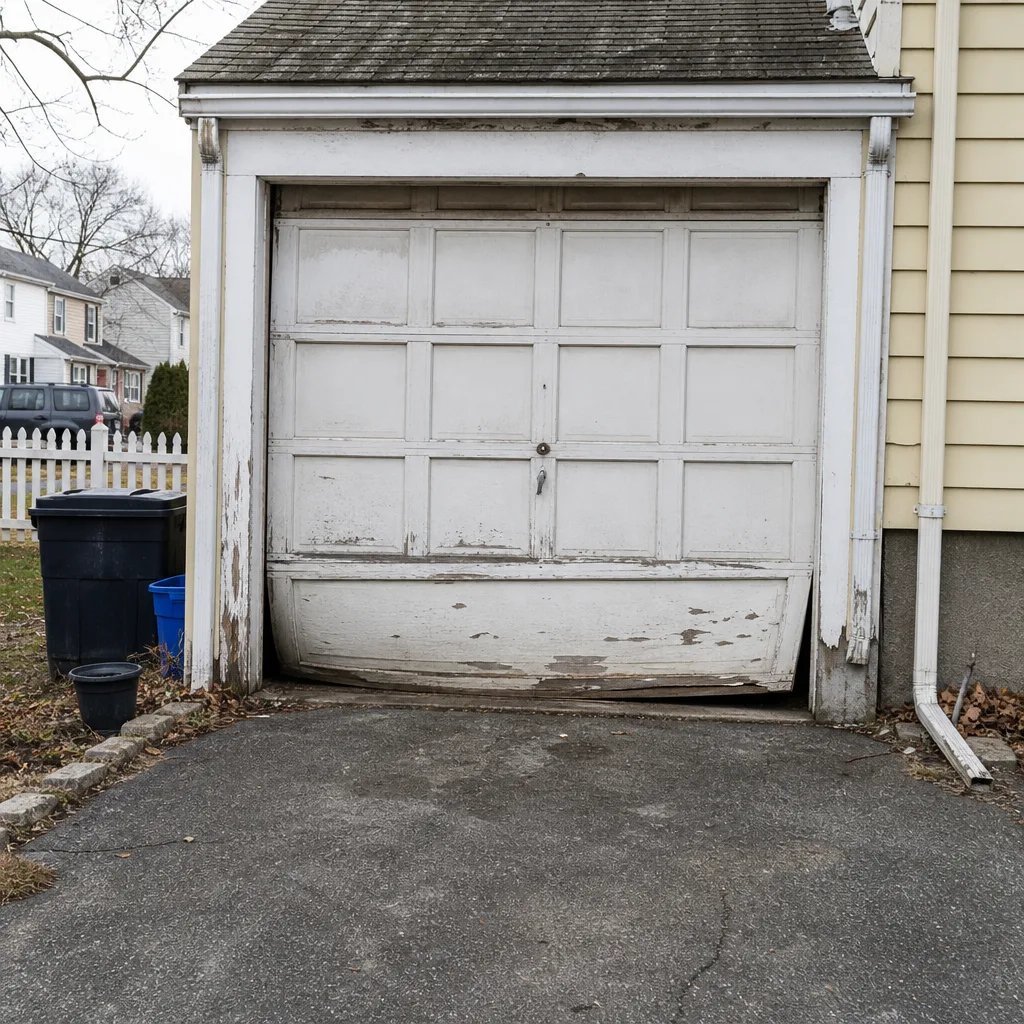 Before
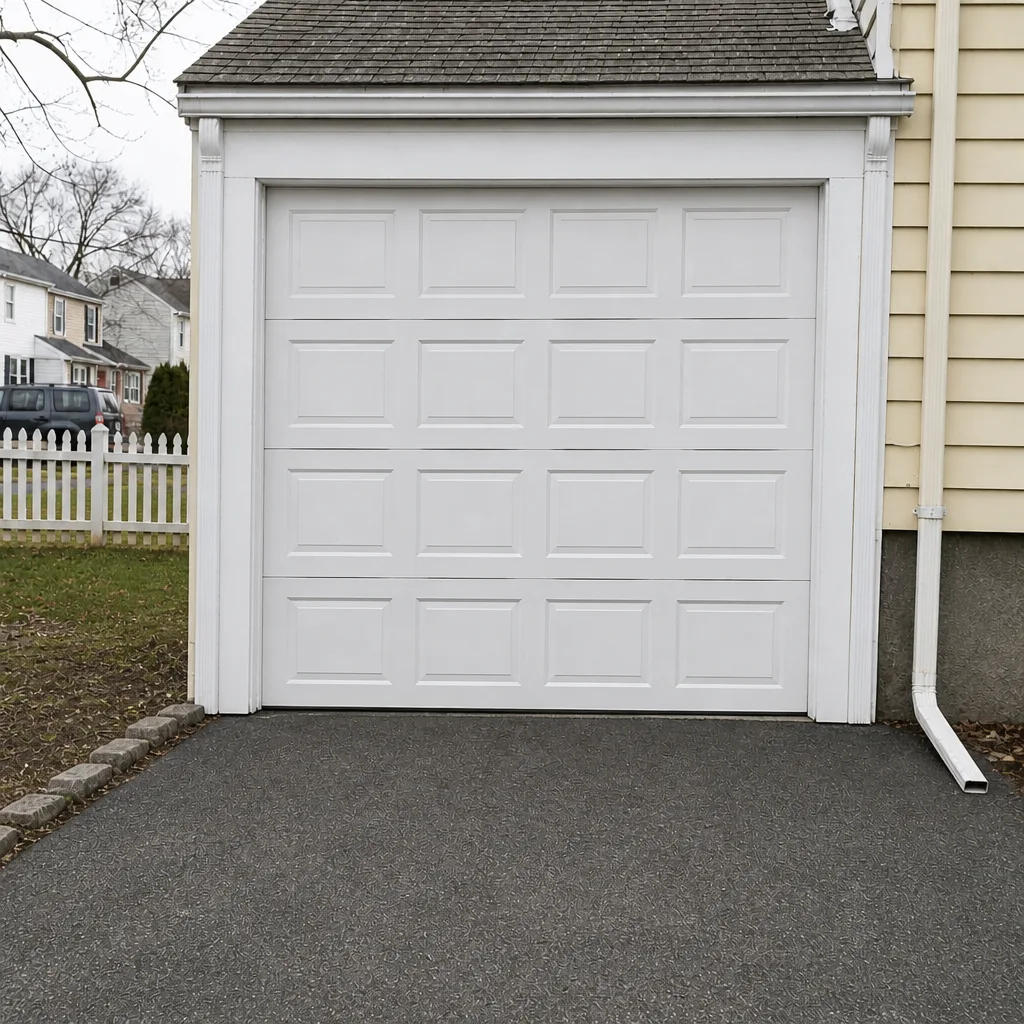 After
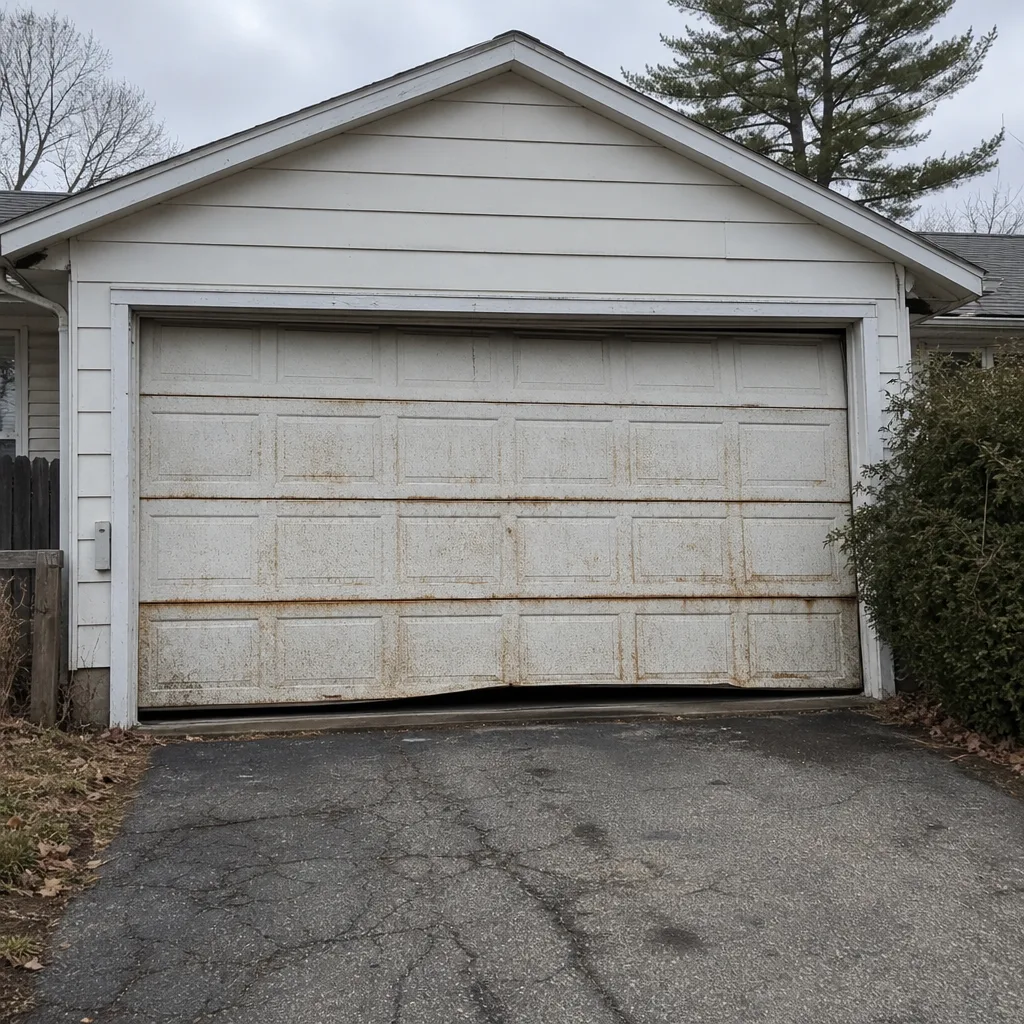 Before
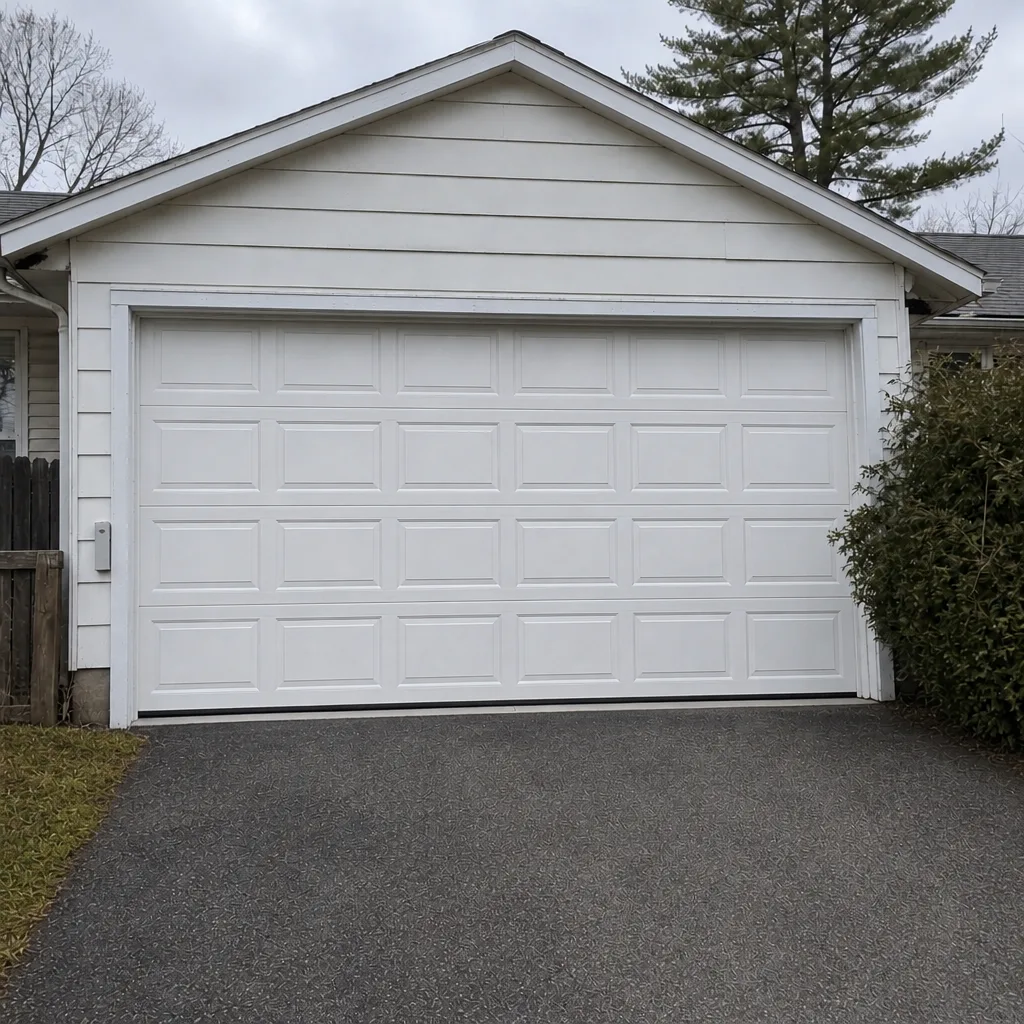 After
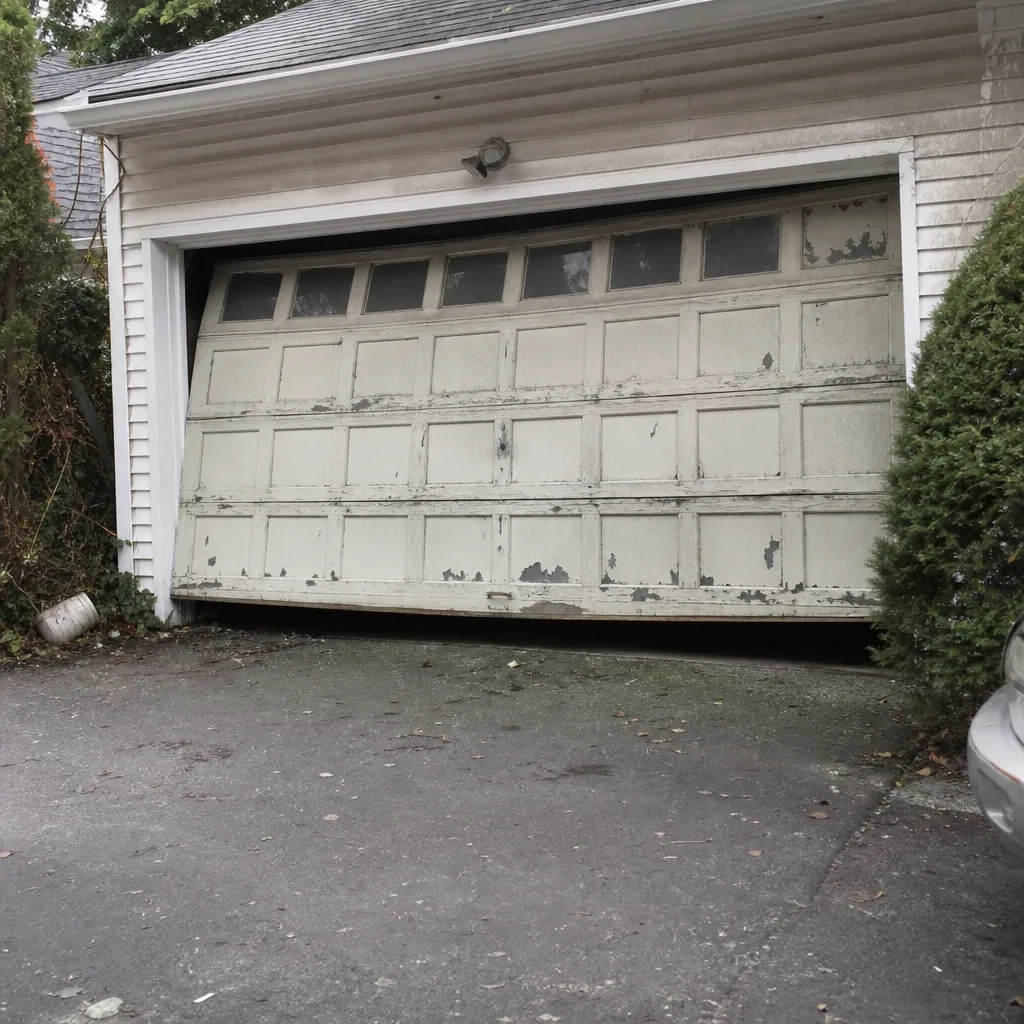 Before
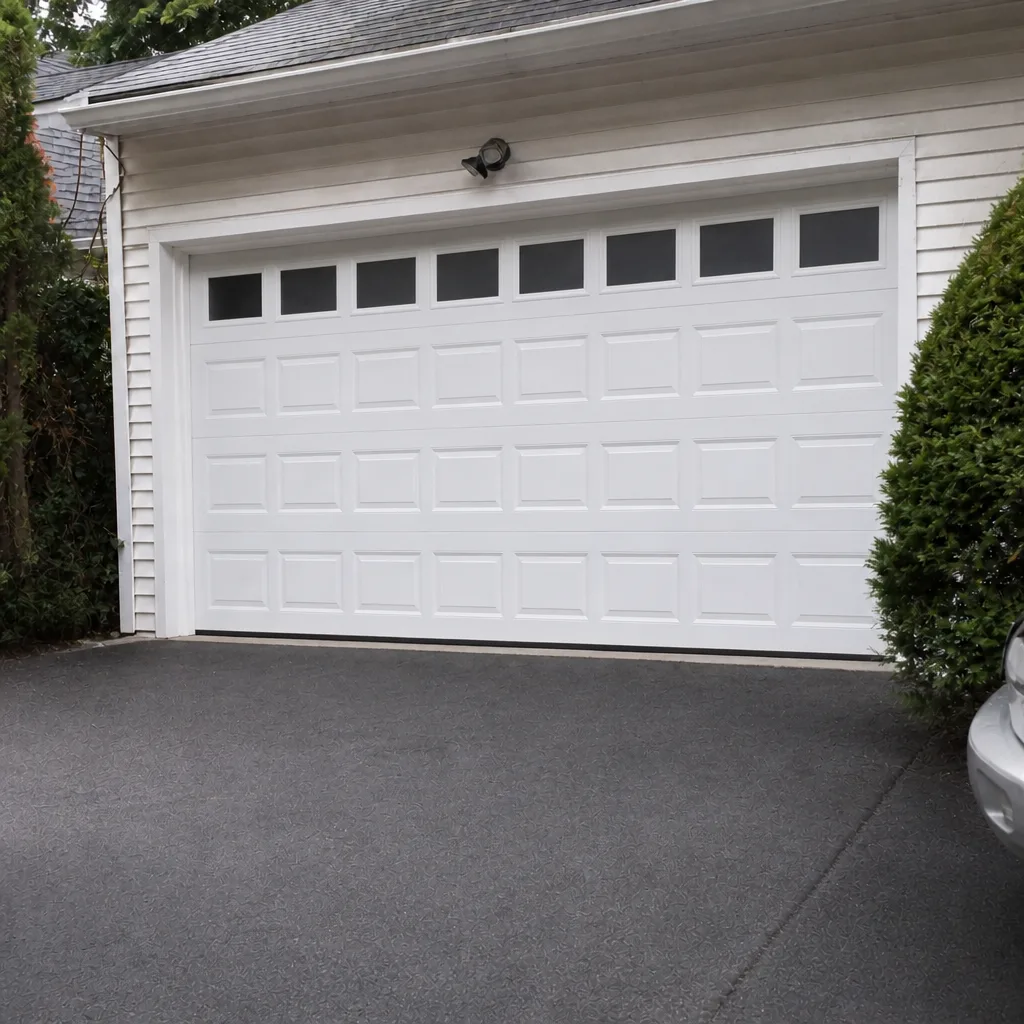 After
When to Call a Professional
Call us immediately if you hear a bang from above the door and the door stops working, if you see a snapped spring coil, if a cable is visibly off its drum, if the door hangs crooked or won’t lift by hand, or if a track is bent under load. Those are the load-bearing failures, and each one is genuinely dangerous to handle without training and tools. Call for less dramatic issues too: recurring reversals after you’ve cleared the sensors, opener failures you can’t resolve with a reset, grinding that gets worse over time, and doors that bind partway through travel.
Our technicians have up to 15 years of experience with the major brands, and Lynn Garage Door Service offers free estimates in Lynn. Call (888) 902-1938. We answer 24/7. Fast dispatch from 7am to 7pm, Sunday through Friday.
Frequently Asked Questions
A reversal before the door makes contact with the floor almost always points to a safety sensor problem or a travel-limit problem. The two small photo-eye lenses near the floor need to be clear and aimed at each other. A blocked sensor, a dirty lens, a bumped bracket, or a downward travel limit set too short all cause this. Check the sensors first. If the door still reverses after contact, you have a different issue entirely (force sensing or obstruction). Call (888) 902-1938 for an exact quote – estimates are free.
In most cases, yes. We answer 24/7, and fast dispatch from 7am to 7pm, Sunday through Friday, gets a technician to you the same day for repair calls when you reach us within that window. A call outside dispatch hours is booked into the next opening, Sunday through Friday, 7am to 7pm. Same-day availability depends on the day, so call early for the fastest slot. Call (888) 902-1938.
No. We diagnose first, then give you a written estimate, and you agree to that price before any work starts. If the diagnosis turns up something different from what we expected on the phone, we’ll talk it through and you’ll have a written number before we touch the door. You never get an invoice bigger than the quote you agreed to. Call (888) 902-1938 for an exact quote – estimates are free.
Spring repair is per spring, and a matched pair is usually replaced together. Because a pair is roughly twice the cost of a single spring, we quote each job based on what your system actually needs. The written estimate is the price, and it’s agreed before the work starts. If you’re unsure whether you have one spring or two, we’ll tell you on the first visit. Call (888) 902-1938 – estimates are free.
Yes. We’re licensed and insured. Our technicians have up to 15 years of experience working across the major brands (LiftMaster, Chamberlain, Genie, Clopay, Amarr, Wayne Dalton, Craftsman, and Raynor), and they’re specialists, not general handymen listing garage doors as one of many offerings. Call (888) 902-1938 for an exact quote – estimates are free.
Probably not. If the wall switch opens the door but the remote doesn’t, the door and opener are working fine and the fault is in the remote, its battery, or its programming. That’s usually a battery swap or a quick reprogramming, not a hardware replacement. Start with the battery, then reprogram using your brand’s chart. If it’s still failing after that, call (888) 902-1938 – we can walk you through it or book a visit. And if you need a full opener replacement down the line, we handle garage door repair and installation under one roof.
Yes. Lubricating hinges and rollers is a safe homeowner task and it’s the cheapest thing you can do to delay wear, especially in Lynn’s humid climate where rollers and bottom brackets rust earlier than in dry inland markets. Use a proper garage door lubricant (not WD-40 as a substitute), and focus on the pivot points on hinges and the roller bearings. Don’t lubricate the tracks themselves – the rollers are meant to roll, not slide. If you hear new grinding despite lubrication, that’s a sign of a worn part and worth a call.
The Bottom Line
Troubleshooting a garage door works best when you read the symptom before you reach for a part. Two reversals that look the same are not the same fault. A door that grinds is wearing metal against metal, and the cost only goes up with time. Opener codes are brand-specific, and guesses based on the wrong chart waste time and money. In Lynn’s humid climate, rust starts earlier and the door’s weakest points are exactly where you’d want to look first. Our guidance to homeowners is simple: read the symptom honestly, do the safe resets yourself, and call for anything under spring tension or load. That’s the difference between a repair and a replacement.
Garage door problems in Lynn don’t have to be guesswork. If you’ve narrowed down the symptom and it’s time to have a trained eye look at it, we can help. Whether it’s a garage door opener repair, a spring repair, or a new door install after a failure, one call covers it. If you’re not sure which service you need, start at Lynn Garage Door Service and we’ll point you in the right direction. Our technicians work on the door you already have, whatever the brand, and we diagnose before we recommend replacement.
We answer 24/7. Fast dispatch from 7am to 7pm, Sunday through Friday. A call outside dispatch hours is booked into the next opening. Estimates are free and the written quote is the price. Call (888) 902-1938 today.
Written by the team at Lynn Garage Door Service.