
Last updated November 15, 2026
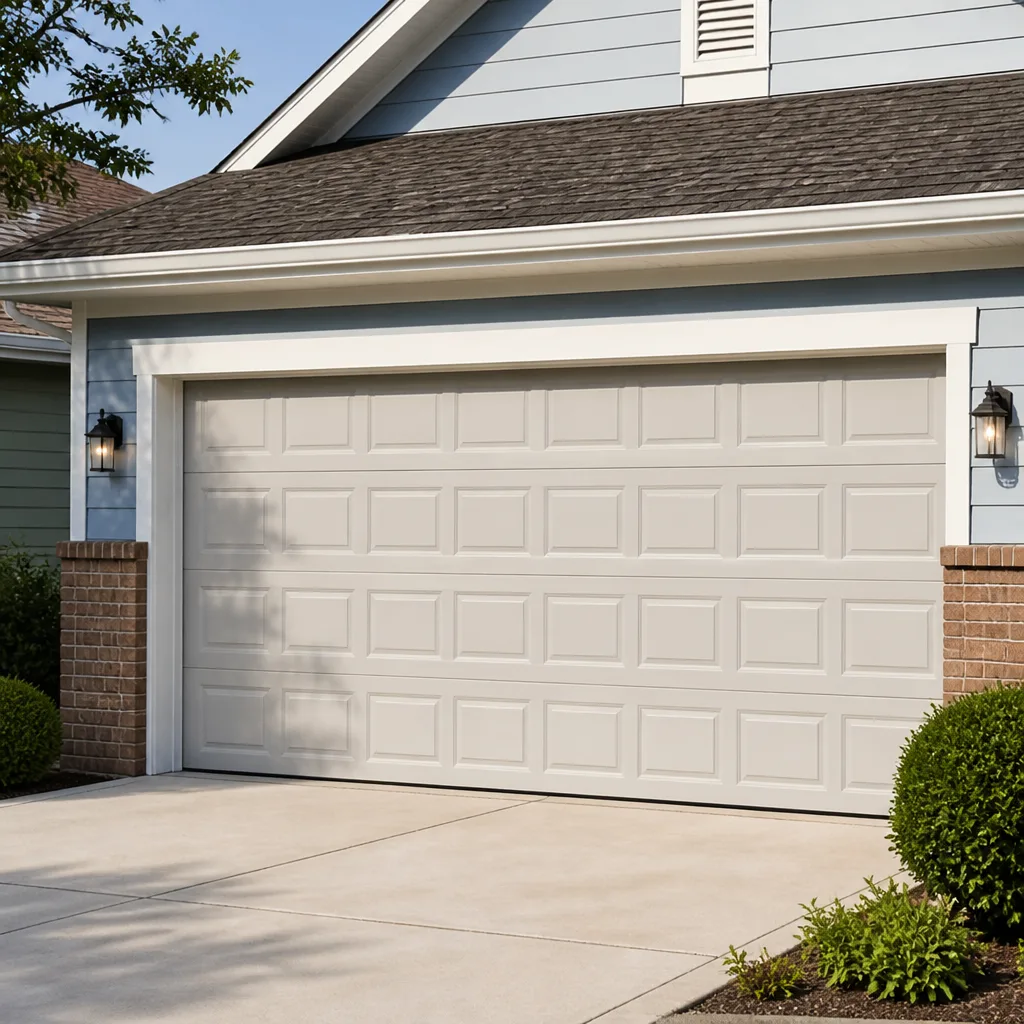 Raised-panel steel
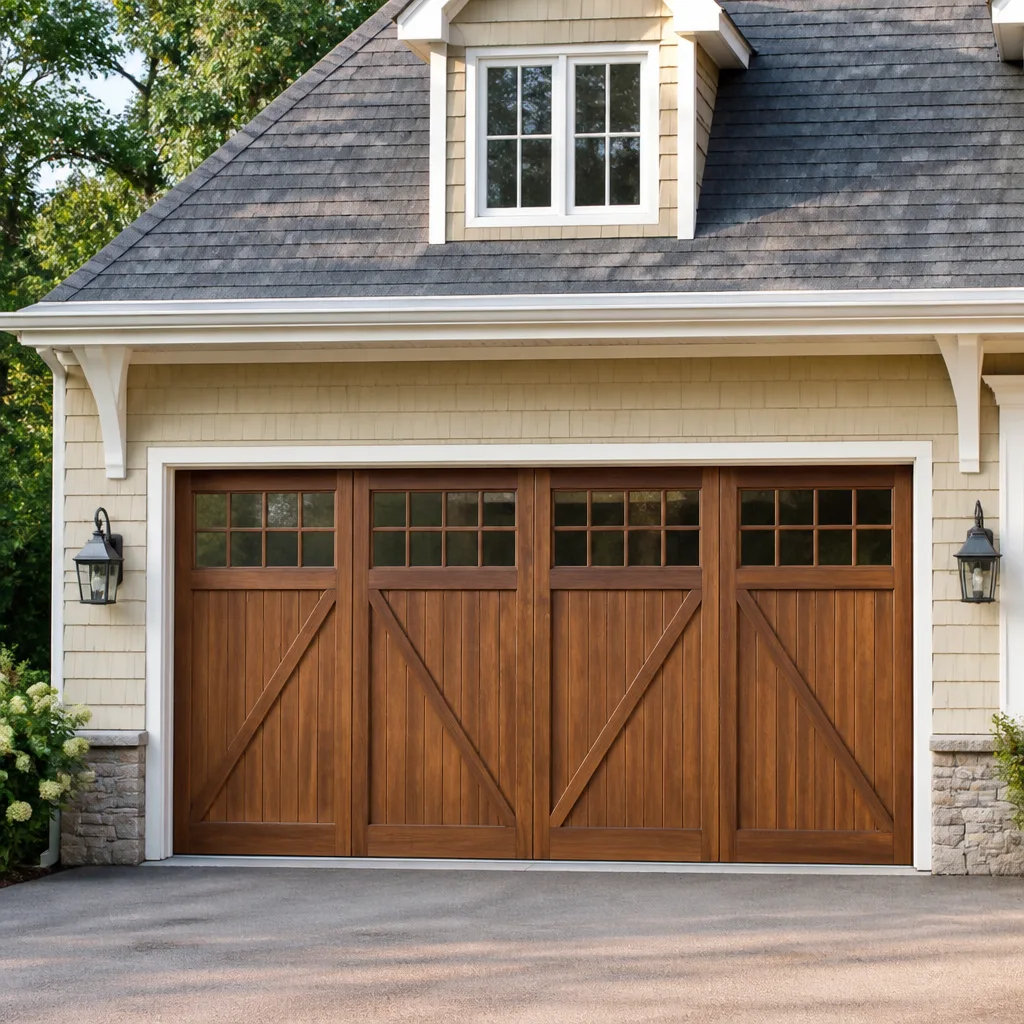 Carriage house
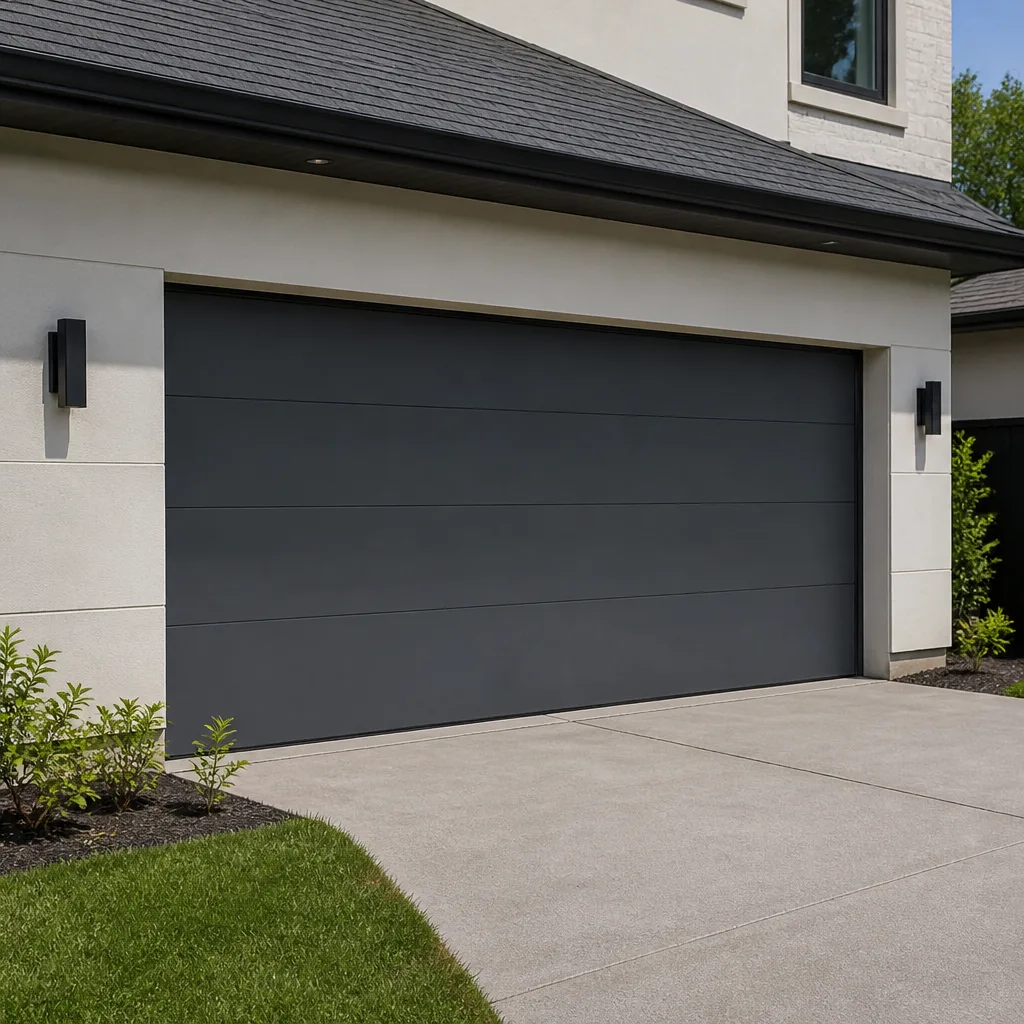 Modern flush
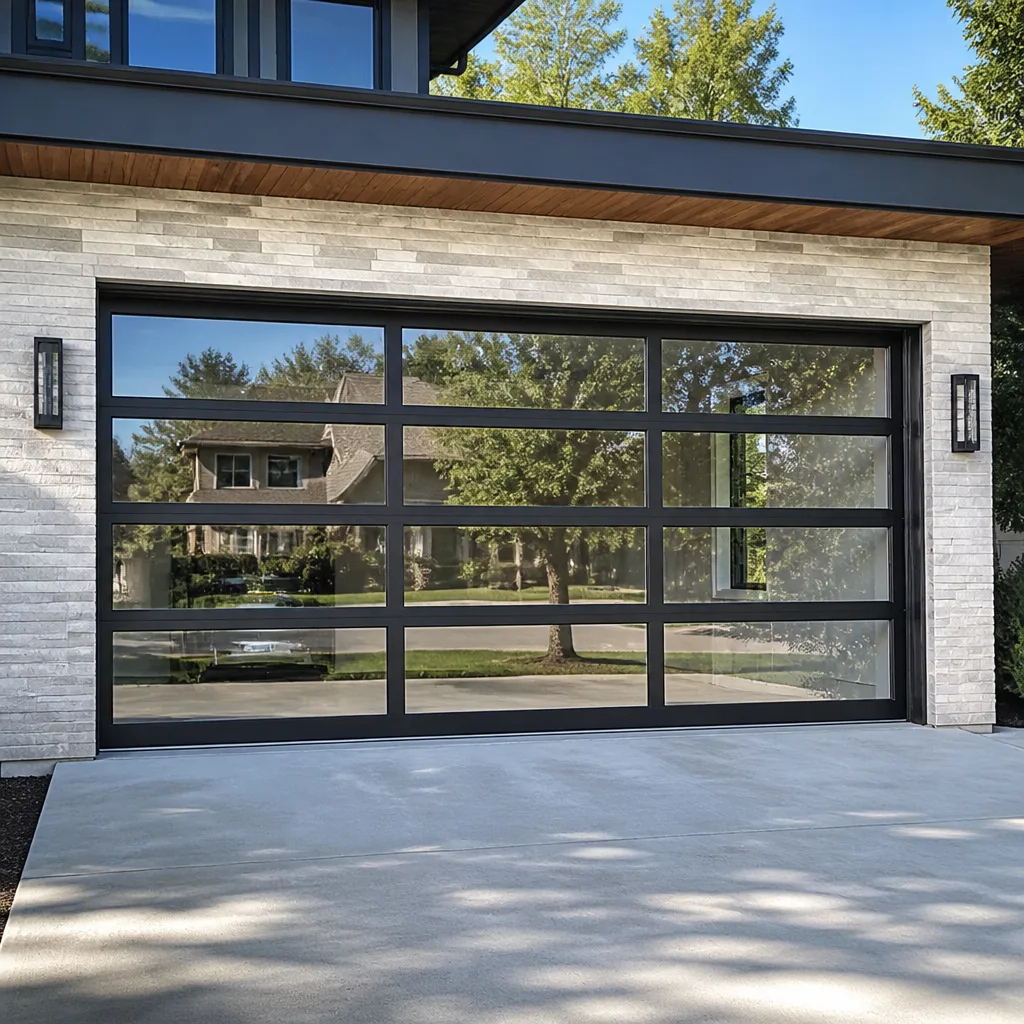 Full-view glass
 LiftMaster openers
 Chamberlain openers
Full 25-point door and opener safety check with every visit - springs, cables, rollers, tracks, and your LiftMaster or Chamberlain opener included
You get a price before we start. It does not change when the pro arrives.
Get your free estimateGarage Door Repair Maintenance Schedule: What to Do and When
The advice to lubricate your garage door every six months sounds tidy. It’s also close to meaningless. A family with two drivers who open the door four times a day cycles it roughly 1,500 times a year. A retiree who uses theirs twice a week cycles it about 100 times. Same six-month advice, wildly different wear. A maintenance schedule built on the calendar alone misses what actually wears out a door in Lynn: cycles, weather, and the parts nobody inspects until they fail. Here’s how to build a rhythm around how you actually use the door, what to lubricate with what, and what to leave to a trained eye.
Quick Answer
A garage door maintenance schedule should be built around use, not the calendar. Light-use households (a few cycles a week) need a real tune-up once a year with a quick 20-minute check twice a year, while heavy-use households (six or more cycles a day) need a trained inspection twice a year and lubrication every three to four months. Springs, cables, and the trolley carriage always belong to a professional; lubricant, weatherstripping, and the balance test are the homeowner’s jobs.
Styles & brands we work with
- Raised-panel steel
- Carriage house
- Modern flush
- Full-view glass
- LiftMaster openers
- Chamberlain openers
Table of Contents
- Why “Every Six Months” Is the Wrong Rule
- Count Your Cycles: The Framework That Actually Works
- The 20-Minute Homeowner Check (Twice a Year)
- Matching the Lubricant to the Part
- Lynn’s Freeze-Thaw Season: Pre-Winter and Spring Tasks
- The Balance Test and What It Costs You to Skip It
- What a Professional Should Check (and Why)
- A Year in the Life of a Well-Maintained Door
Why “Every Six Months” Is the Wrong Rule
A garage door is a mileage machine, not a calendar machine. The parts that fail – springs, rollers, hinges, the opener motor – wear out on cycles, not on the months that pass between them. A door that gets opened twenty times a day is doing twenty times the work of one opened once. Lubricate both on the same schedule and you’re either over-servicing the quiet door or under-servicing the busy one.
We’ve seen this play out across Lynn: two households on the same block, one pushing a Lynn Garage Door Service-serviced door hard with two work commutes and a dog walker, the other opening theirs mostly for lawn mowers and holiday storage. The busy door wears out bottom brackets and rollers at three or four times the rate of the quiet one. It’s not bad luck. It’s arithmetic.
The counterintuitive part: heavy use is easier to keep up with than light use. A busy door tells you when it’s struggling – noise, drag, loose hinges. A quiet door can sit for months with a failing roller and never complain, then fail all at once the first cold morning you need to get to work. Light-use doors earn their maintenance just by being unpredictable.
Count Your Cycles: The Framework That Actually Works
Before you schedule anything, count the cycles. Not perfectly – roughly. A cycle is one open-and-close. A household with two commuters who each leave and return is running about four cycles on a busy day, twenty-eight a week, just under 1,500 a year. Add kids coming and going, package deliveries, and a second car and you’re looking at heavy use. A retiree who opens twice a week is a light-use household.
Use the table below as your starting schedule. It’s not a rule of thumb pulled from a generic checklist – it’s the pattern we recommend to homeowners who want the door to last without inspecting it constantly.
- Light use (up to 4 cycles a week): Lubricate twice a year. Full professional tune-up once every two years. Balance test twice a year.
- Moderate use (5 to 15 cycles a week): Lubricate every four months. Professional tune-up once a year. Balance test twice a year.
- Heavy use (16 to 30 cycles a week): Lubricate every three months. Professional inspection twice a year. Balance test quarterly.
- Very heavy use (30+ cycles a week): Lubricate monthly. Professional inspection every three to four months. Balance test monthly.
Multi-car households, homes with home-based businesses, and any door that runs an opener with a battery backup in daily use belong in the heavy or very heavy row. Add one full step up if the door is more than a decade old and has never had a professional tune-up.
One more step people skip: after any major season change. Springs, cables, and bearings all respond to temperature swings, and a door that felt smooth in October can feel sticky in December. If the door starts making noise or moving slightly differently, bump the next check forward rather than waiting for the calendar to catch up.
The 20-Minute Homeowner Check (Twice a Year)
Not everything on a garage door needs a professional. This is the work you can do in 20 minutes twice a year with a rag, a can of lubricant, and a flashlight. Do it on a day you’re not in a hurry.
- Lubricate the moving parts. A short spray on each hinge pivot, each roller stem, and the torsion spring coils (not the shaft). One pass is enough.
- Wipe down the tracks.
- Test the balance. Close the door and pull the release cord to disconnect the opener. Lift the door halfway and let go. A balanced door holds where you leave it. One that slides down or shoots up needs a professional.
- Listen. With the door disconnected, open and close it by hand. Any grinding, scraping, or popping is a part on the way out.
- Check the weatherstripping and bottom seal. Look for cracks, gaps at the corners, and daylight under the door.
- Test the safety reverse. Place a small object under the door and press close. The door should reverse on contact.
- Reconnect and run it once. Listen for anything new after a fresh lubricant pass – usually it’s quieter, sometimes it reveals a problem the old grease was hiding.
A dry cloth along the inside of each track. No grease on tracks; it attracts grit that grinds on the rollers.
Two of those steps do the most work: the balance test and the by-hand listen. Both tell you more about the health of the door than any visual inspection of the springs, which tell you almost nothing until they’ve already failed.
This is the whole homeowner-side routine. Everything below that line is for a trained eye, and we cover why in its own section.
Matching the Lubricant to the Part
Not all lubricants are the same, and using the wrong one on the wrong part is the most common cause of a door that gets worse after it gets greased. The three main jobs:
- Rollers and hinges: white lithium grease. It clings to metal, resists being thrown off by the roller, and doesn’t drip. A light spray on each roller stem and each hinge pivot is plenty.
- Torsion springs: a light spray of white lithium on the coils. Never on the shaft. Greasing the shaft attracts grit that grinds into the bearing plate.
- Weatherstripping and bottom seal: silicone spray or a silicone-based rubber protectant. Silicone keeps rubber supple and doesn’t degrade it. Petroleum-based products dry out and crack rubber over time.
What never goes on a garage door:
- WD-40 (the standard formula). It’s a cleaner and water displacement, not a lubricant. It washes out the existing grease on rollers and leaves them running dry.
- Heavy grease or wheel bearing grease on the tracks. It catches grit, gums up the rollers, and eventually drags the door.
- Anything on a chain drive except chain-specific lubricant. A Chamberlain or Genie chain drive needs a spray made for roller chain – dry film or a chain lube – not white lithium. Lithium soaps up the chain and collects dust. Ask before you spray.
- Silicone on the rollers or hinges. It’s too thin to stay where it’s needed.
The right combination is two cans: white lithium grease and silicone spray. That’s the whole lubricant kit for most doors, including the Clopay and Amarr doors we see most often in Lynn.
Lynn’s Freeze-Thaw Season: Pre-Winter and Spring Tasks
Lynn runs through freeze-thaw cycles from late fall through early spring, and those cycles hit the bottom seal harder than anything else on the door. Water gets under the rubber during a thaw, freezes at night, expands, and leaves a crack. Repeat that through a winter and a seal that started the season intact can be splitting at the corners by March. Cars tracking in slush and road treatment from Lynn’s streets speed it up.
Two seasonal checks do most of the work:
- Pre-winter (late October or early November): Inspect the bottom seal for hairline cracks and daylight gaps. Wipe a silicone protectant along the rubber. Lubricate the moving parts and run the balance test one more time before the weather turns. Look at the track bolts for rust.
- Post-winter (late March or April): Re-inspect the bottom seal for cracks that started over the winter. Check the tracks for grit and rust. Run the balance test again. Listen for any new noise.
Do both of these and you’ll catch almost every winter issue before it becomes a spring repair. Skip the pre-winter check and you’ll find out about a cracked seal the first time snowmelt runs across the garage floor.
The same logic applies to the opener. Cold mornings are when a tired motor, a stretched belt, or a stiff trolley carriage shows its hand. If the opener is more than ten years old, schedule a check before the cold season rather than after – it costs less than an emergency garage door opener repair in the middle of a January morning.
The Balance Test and What It Costs You to Skip It
The balance test is the single most-skipped step on any maintenance schedule, and it’s the one with the clearest cost line to the opener motor. Here’s why.
A balanced door weighs close to nothing at the halfway point. The springs are doing almost all the lifting. An unbalanced door is different: the opener motor has to lift the extra weight on every cycle. Not dramatically – a few pounds at first – but the motor feels that extra load every single time. Multiply it by cycles per year and you’re paying for it twice: once in a motor that runs hot and wears out sooner, and once in a repair bill for a motor that’s only half the age it should be.
We’ve replaced openers where the door itself was fine; the motor just died young. Almost always the balance test had been skipped for years, or the springs were weak enough to leave the door dragging slightly and nobody noticed because it never actually failed to open.
Run the balance test twice a year. Disconnect the opener, lift the door to the halfway point, let go. A balanced door holds. A door that drifts down needs a spring adjustment; a door that flies up has too much tension. Both are jobs for a trained technician – springs under load are dangerous and the tools alone are not worth buying for a season or two of home checks.
See the difference
 Before
 After
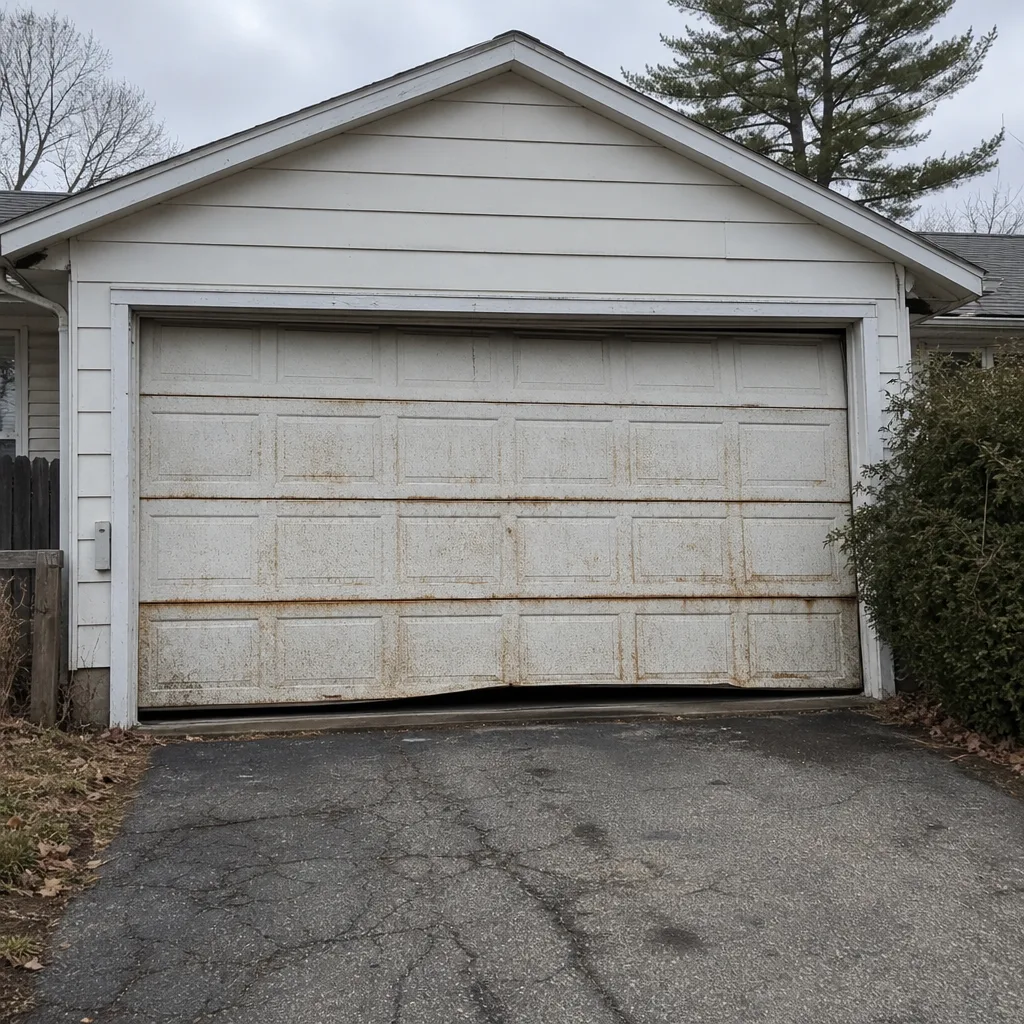 Before
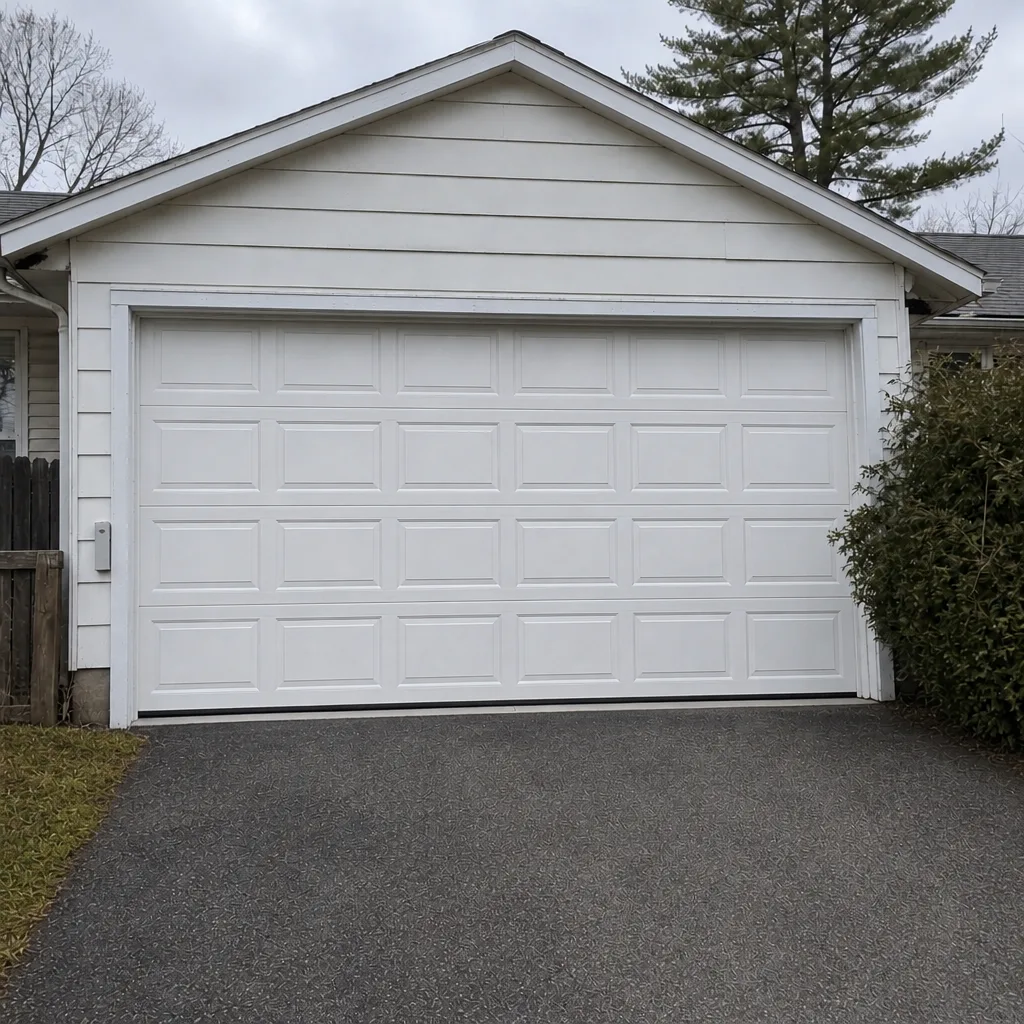 After
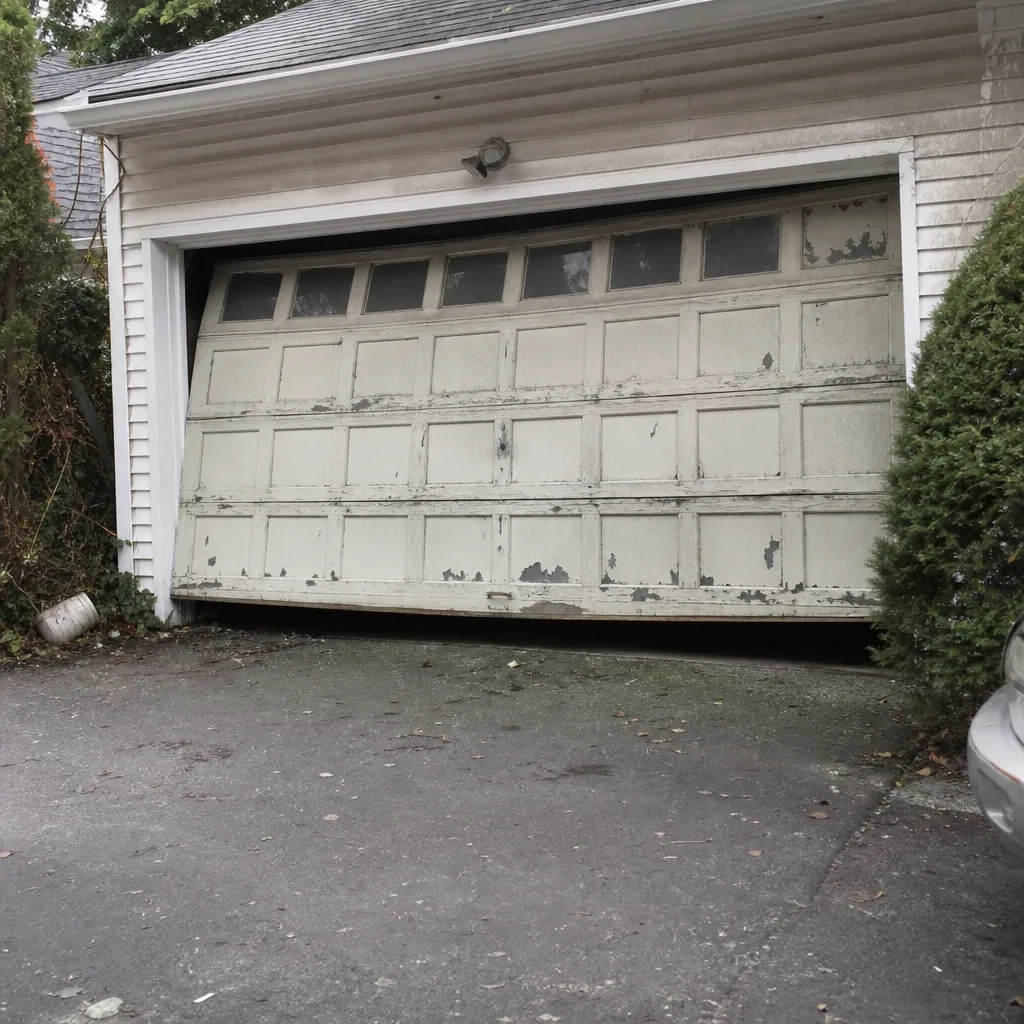 Before
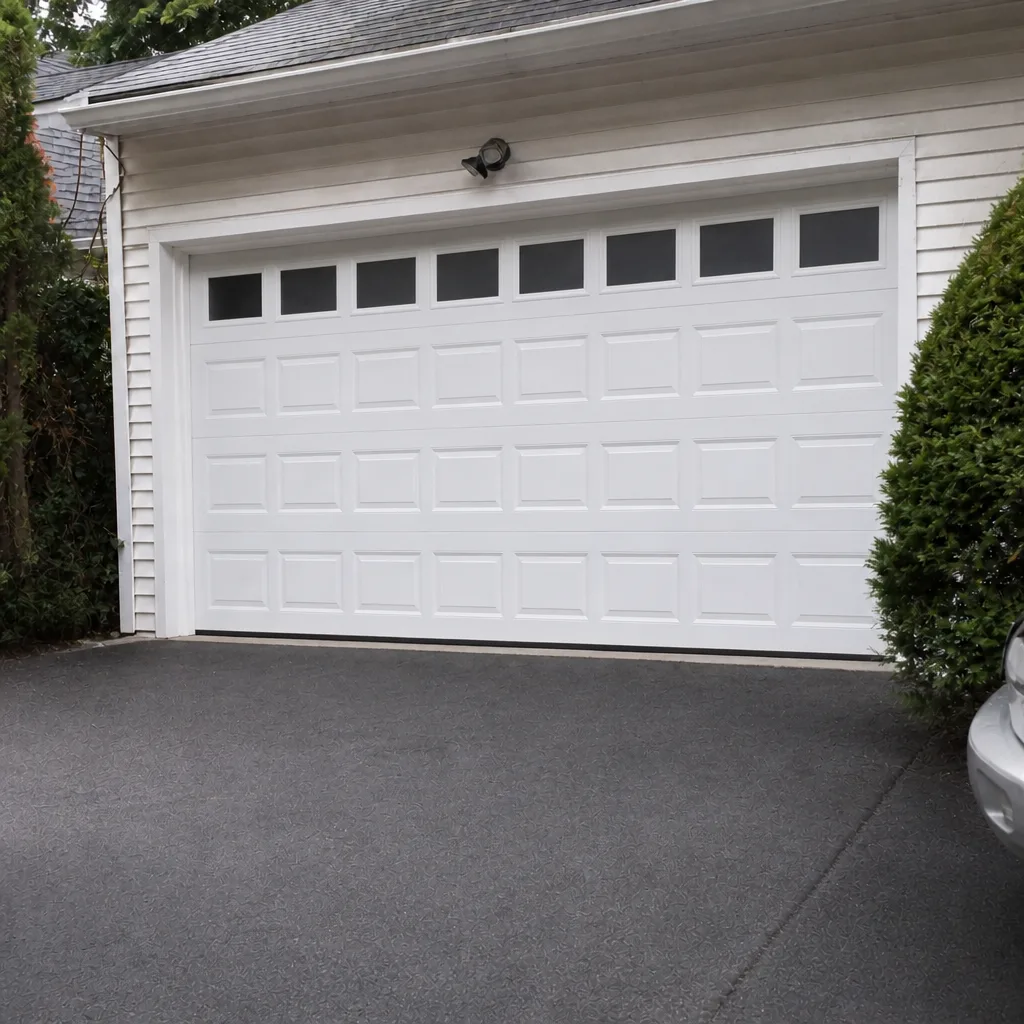 After
What a Professional Should Check (and Why)
Some parts of a garage door are genuinely not homeowner territory. The three to leave alone:
- Torsion springs and their cables. They’re under heavy tension at all times, and the failure mode is loud and dangerous. There’s no home-friendly version of this check. If the door sounds or feels wrong, this is the moment to call.
- Cable wear and end fittings. Fraying or a stretched end fitting is a warning sign the door can drop without warning. A trained eye sees it in five minutes; it’s hard to spot with the door down.
- The trolley carriage and opener gearing. A worn trolley carriage will often only show up when it drops, and the internal gears on Chamberlain and Genie openers need a professional to open up safely.
Add to that any tuning, adjustment, or replacement work. Spring adjustment, safety reverse sensitivity, and opener force limits are all things where a small error turns a working door into a hazard.
A professional tune-up covers all of those plus a full cycle of the door and opener together, so you see how they’re behaving as a system. This is the kind of work garage door repair technicians do every day – it’s the reason the industry exists rather than leaving everything to a homeowner with a can of spray.
Our technicians have up to 15 years of experience, and we work on the door you already have, whether it’s a LiftMaster opener, a Clopay or Amarr door, or a Wayne Dalton from the last decade.
A Year in the Life of a Well-Maintained Door
Here’s what a reasonable maintenance rhythm looks like across a full year for a moderate-use household in Lynn. Adjust the frequency up if you’re heavy use.
- January through March: Listen on cold mornings. Lubricate if the door is slow or noisy. Run the balance test once.
- April: Post-winter bottom seal inspection. Lubricate the moving parts. Check the tracks for grit and rust. Run the balance test.
- May through June: Nothing beyond the by-hand listen. This is the quiet season for garage doors in Lynn.
- July: Mid-year lubrication. Quick look at the rollers for cracks or flat spots.
- August through September: Professional tune-up for the year. This is when you want to book, not in the middle of a January cold snap.
- October: Pre-winter inspection. Bottom seal, weatherstripping, door balance. Lubricate and run the balance test one more time.
- November through December: Cold-weather listening. Note anything that gets louder as temperatures drop and schedule a repair before it becomes urgent.
That’s roughly two hours of homeowner time and one professional visit for a moderate-use door. Less than most households spend on their car in a year, and the door touches every morning and evening routine you have.
Common Mistakes to Avoid
- Greasing the tracks. Tracks should be clean and dry, not greasy. Grease collects grit and makes the rollers grind instead of glide. Wipe them down with a dry rag and leave it at that.
- Watching for a symptom that never comes. Springs rarely announce they’re failing. A door that opens and closes without noise can still have a spring at the end of its life. The balance test tells you far more than the way the door looks.
- Using WD-40 on the rollers. It’s not a lubricant for this job. It cleans out the existing grease and leaves the roller running metal-on-metal. Stick to white lithium.
- Skipping the pre-winter season check. In Lynn, freeze-thaw cracks a bottom seal faster than any other single thing. Late October is the cheapest inspection of the year because it catches the problems before they need repairing.
- Waiting until the opener breaks before thinking about it. If the motor has been running hot for a year, it’s already damaged before it fails. The balance test every six months is the cheapest way to protect it.
- Ignoring the noise after a fresh lubrication. If the door gets louder, not quieter, after a lubricate-and-wipe, something has changed under the surface. Get a professional to look.
- Using the wrong lubricant on a chain drive. A Chamberlain or Genie chain needs chain-specific lubricant, not white lithium. Spray the wrong one and the chain soap-collects dust until it drags.
When to Call a Professional
Call us the moment any of these come up, no hesitation. A door that jumps or slams rather than moving smoothly. A loud bang from the garage. A door that reverses back up before fully closing. A frayed or visibly stretched cable. A bottom seal that’s cracked through. An opener that hums without moving the door, or one that reverses for no reason. Any of those can mean a specific part has already failed or is about to, and none of them improve with a second cup of coffee and another look.
Routine annual tune-ups, spring adjustments, cable replacement, and opener repairs are what we do. For a Lynn household on a maintenance schedule, we’re also the company that will tell you when nothing needs doing yet – diagnosis before replacement, every time. Lynn Garage Door Service offers free estimates in Lynn. Call (888) 902-1938. We answer 24/7.
Frequently Asked Questions
Lubricate every three to four months for heavy use (six or more cycles a day) and twice a year for light use. Lynn’s freeze-thaw winters dry out rubber and stress moving parts, so the pre-winter lubrication in October matters more than the mid-year one. Call (888) 902-1938 for a free estimate if you want a schedule matched to your door.
White lithium goes on metal parts: rollers, hinges, and torsion spring coils. Silicone goes on rubber and weatherstripping. They’re not interchangeable – silicone is too thin for rollers, and white lithium degrades rubber over time. Both cans should live in the garage.
No. Torsion springs hold a dangerous amount of stored energy at all times, and a failure can cause serious injury. Spring replacement is a job for a trained technician with the right tools; there’s no safe home version. Call us for a free estimate on a spring replacement – (888) 902-1938.
Freeze-thaw cycles are the main culprit. Water gets under the bottom seal during a thaw, freezes at night, expands, and cracks the rubber. The cold also stiffens grease and shrinks metal, exposing worn rollers and tired springs. The pre-winter check in late October is when you catch these before the cold sets in.
Disconnect the opener and lift the door by hand to the halfway point. Let go. A balanced door holds where you leave it. One that drifts down or up needs a spring adjustment from a professional. Run the test twice a year, and always before cold weather. Call (888) 902-1938 if the door fails the test.
Yes, and it should. We work on the door you already have: LiftMaster, Chamberlain, Genie, Clopay, Amarr, Wayne Dalton, Craftsman, and Raynor, plus other major brands. There’s no need to find a brand-specific tech. Call (888) 902-1938 for a free estimate on a tune-up.
The Bottom Line
A garage door maintenance schedule is arithmetic, not ritual. Count your cycles, then set the frequency around the row that matches your household: light use earns twice-yearly lubrication and a professional tune-up every two years, heavy use wants quarterly checks and inspections twice a year. Match the lubricant to the part – white lithium on metal, silicone on rubber, chain-specific lube on a chain drive – and skip WD-40 entirely. Run the balance test twice a year to protect the opener motor. Do the late-October pre-winter check for the bottom seal in Lynn’s freeze-thaw climate. Leave springs, cables, and the trolley carriage to a trained technician. Two hours a year, one professional visit, and a door that opens smoothly through every season. That’s the whole schedule.
Contact Us
If you’re in Lynn and want a maintenance schedule matched to how your door actually gets used, call Lynn Garage Door Service at (888) 902-1938 for a free estimate. We answer 24/7. Fast dispatch from 7am to 7pm, Sunday through Friday. Our technicians have up to 15 years of experience, and we work on the door you already have – whether it’s a LiftMaster, Genie, Chamberlain, Clopay, Amarr, or any other major brand. One call covers repair, opener service, and installation, from the first diagnosis to the annual tune-up.
Written by the team at Lynn Garage Door Service.