
Last updated November 15, 2026
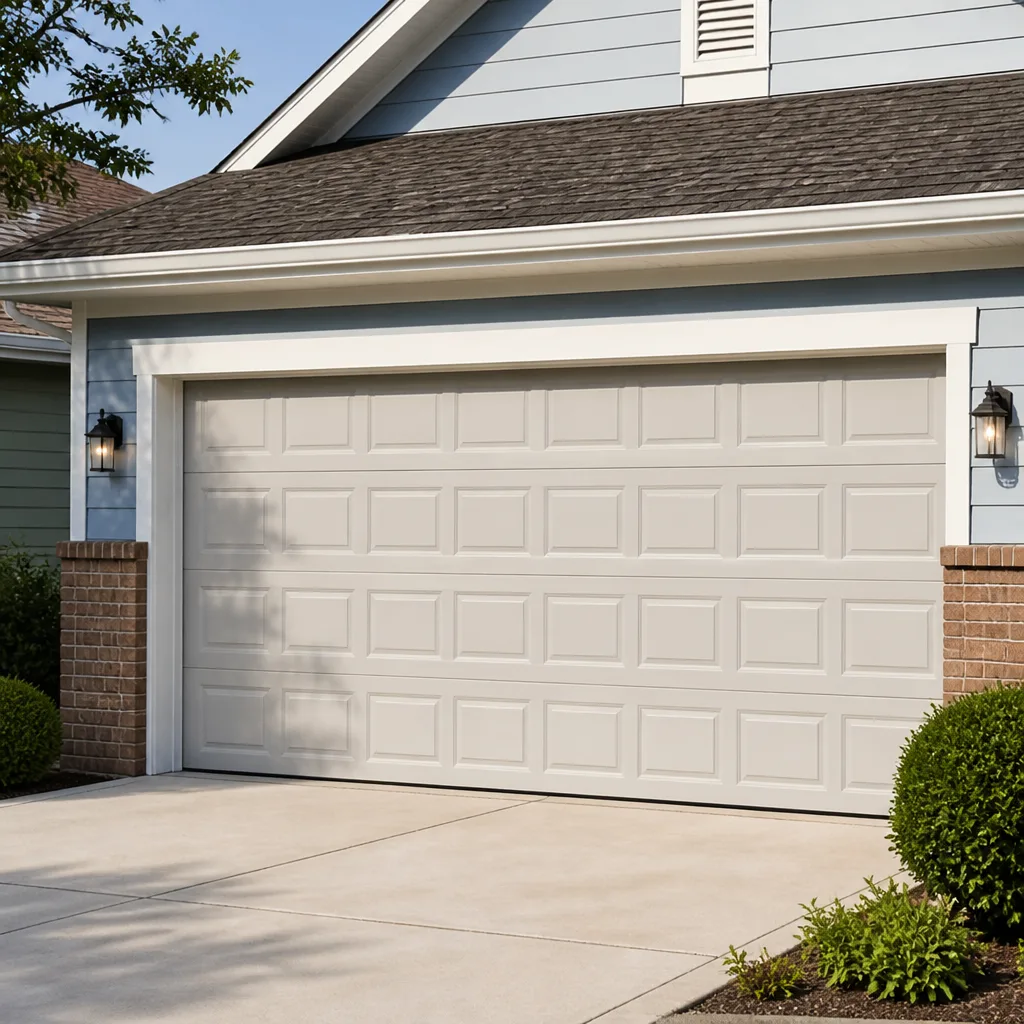 Raised-panel steel
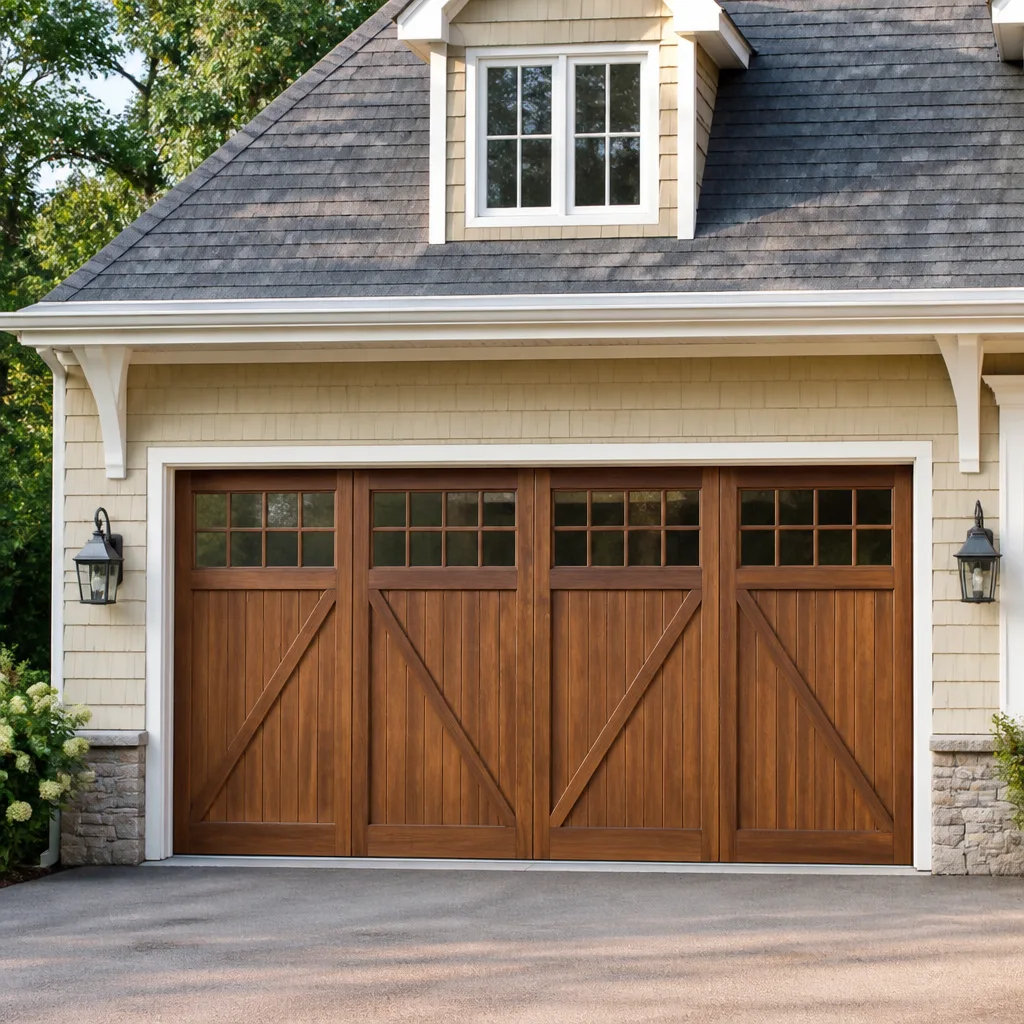 Carriage house
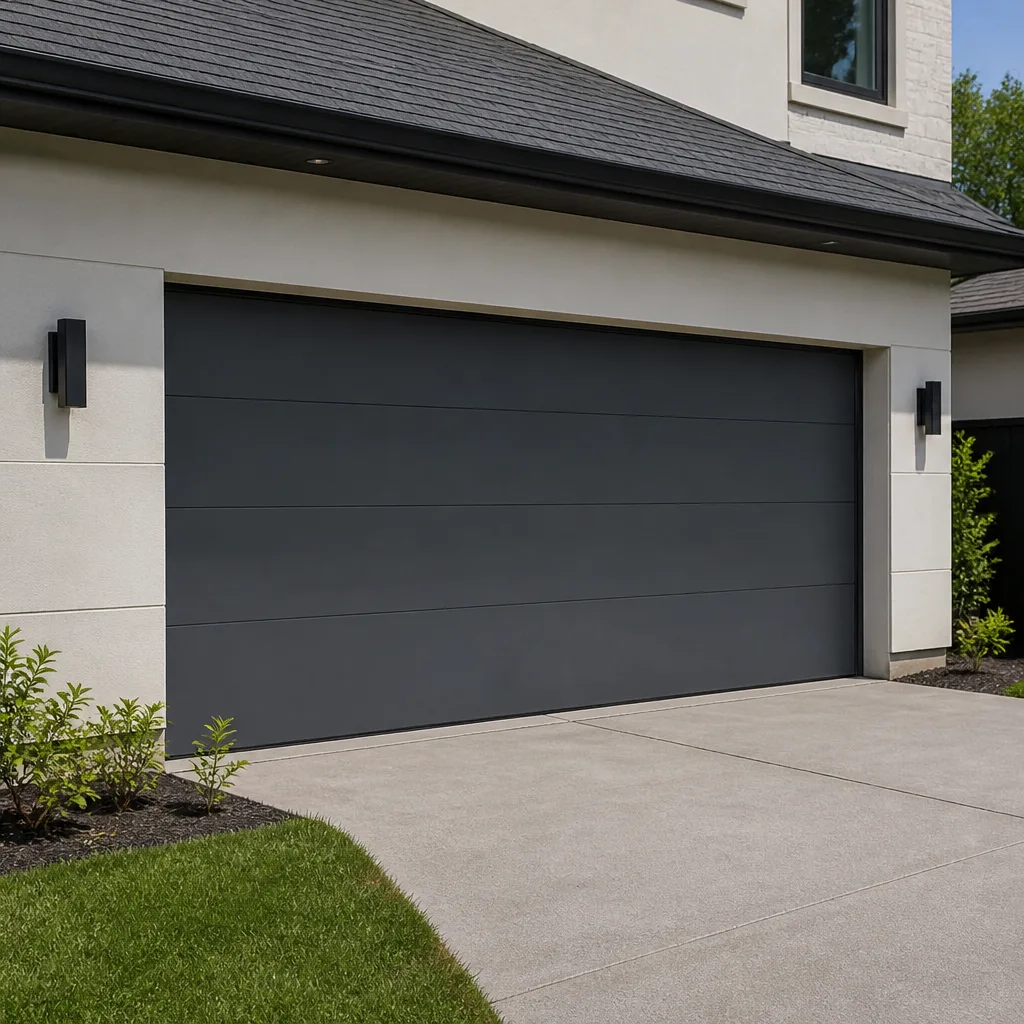 Modern flush
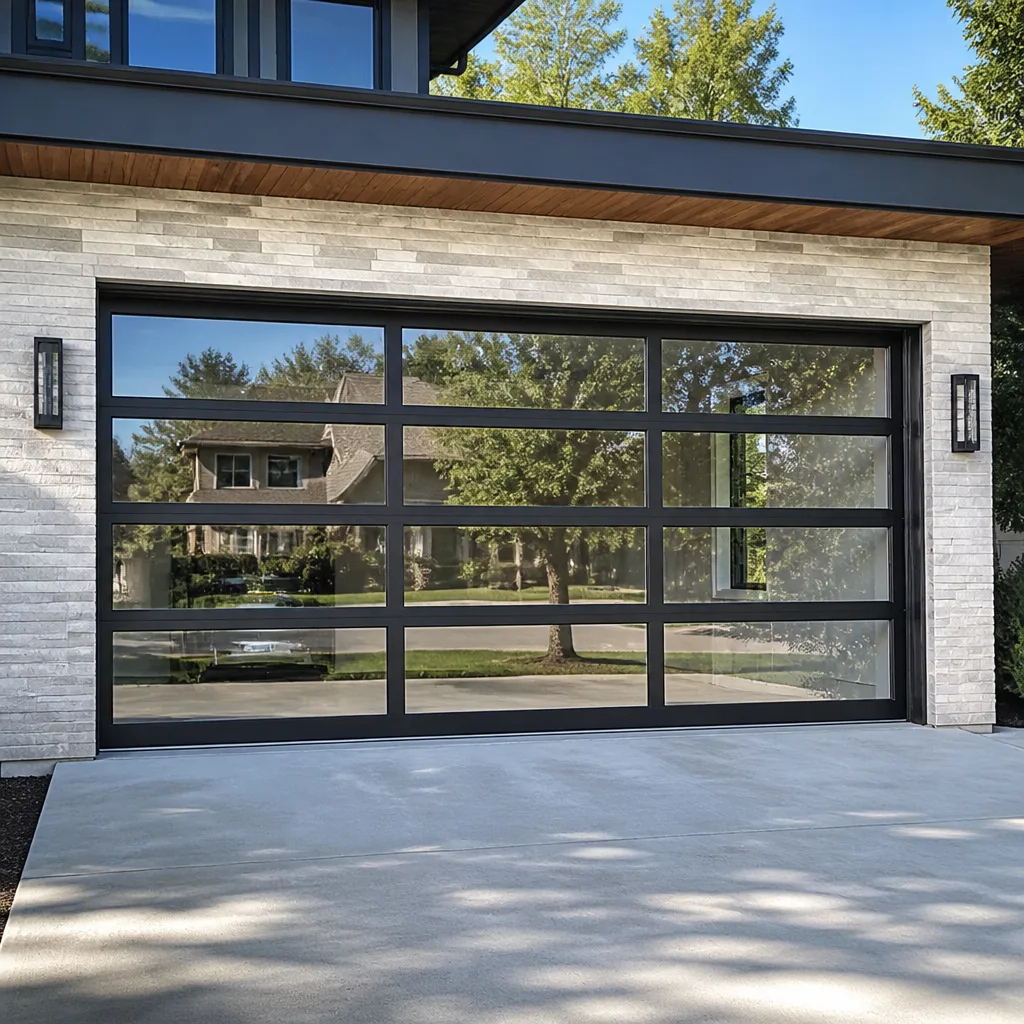 Full-view glass
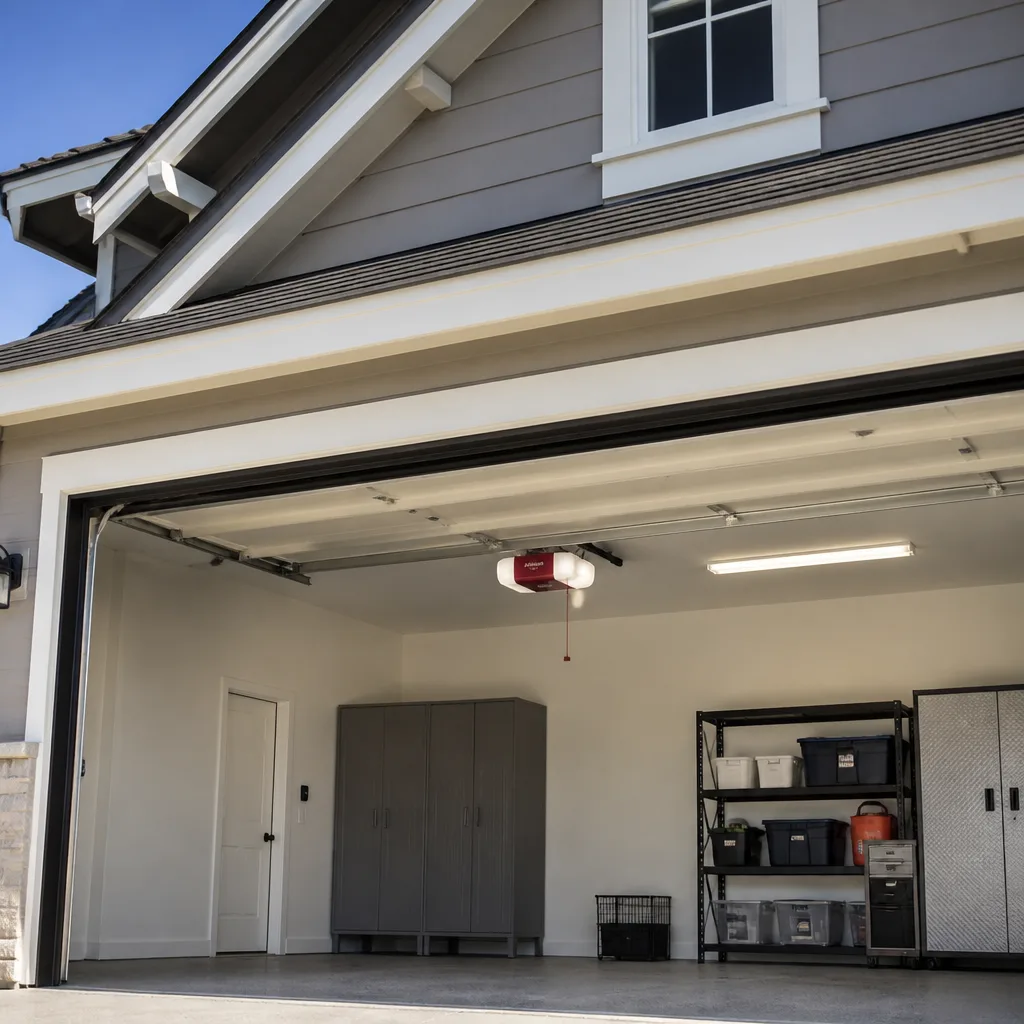 LiftMaster openers
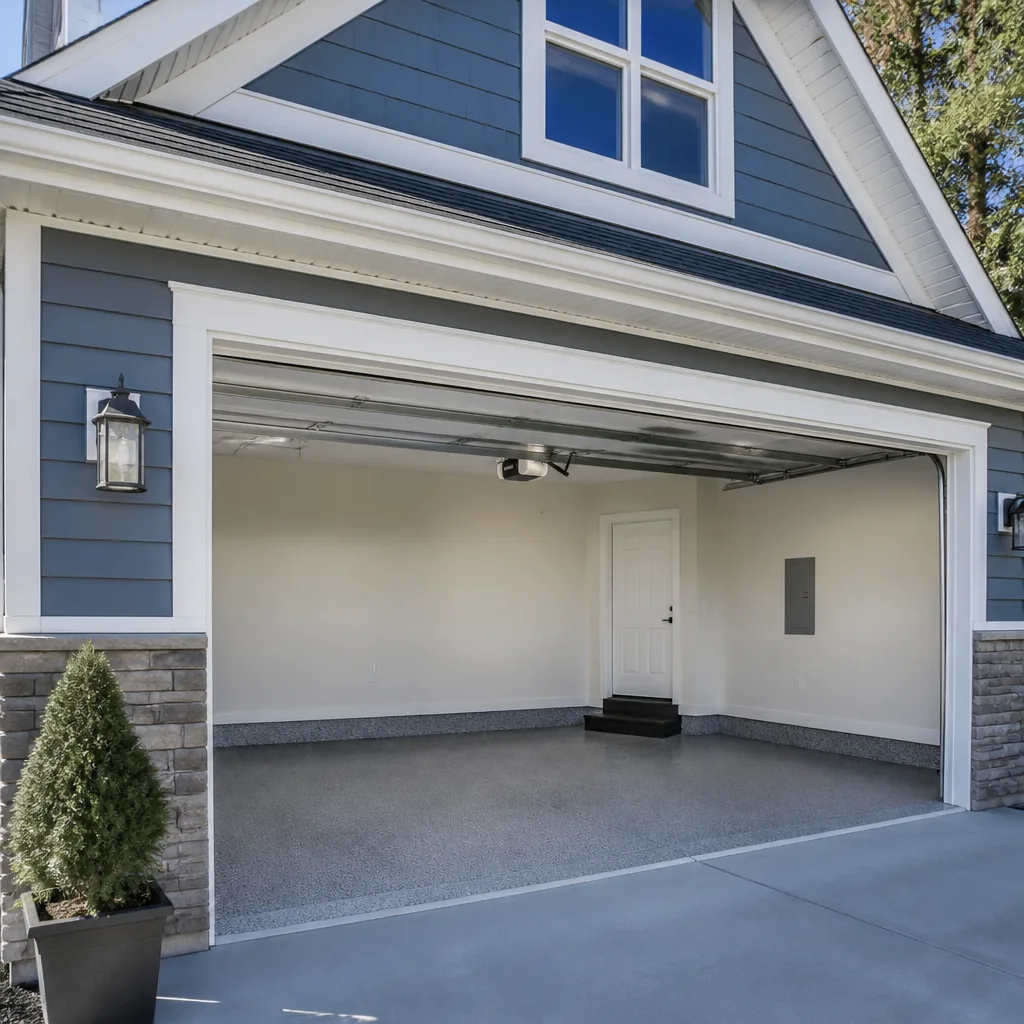 Chamberlain openers
Full 25-point door and opener safety check with every visit - springs, cables, rollers, tracks, and your LiftMaster or Chamberlain opener included
You get a price before we start. It does not change when the pro arrives.
Get your free estimateDIY vs Professional Garage Door: The Lynn Homeowner’s Decision Guide
The garage door debate in Lynn isn’t really about how handy you are. It’s about physics. A torsion spring under tension stores enough energy to break a wrist or worse, and that single fact redraws the line between a Saturday project and a call to a professional. Most homeowners lump every garage door task together as either “easy” or “leave it alone.” The truth sits in the middle, and it’s more specific than that. Some jobs you can genuinely handle with a ladder, a wrench, and an afternoon. Others carry hidden risk that no YouTube video prepares you for. This guide draws that line clearly, task by task, so you can save money where it’s safe and hand off the work where it isn’t. We’ve spent years on garage doors across Lynn, and we’d rather you know exactly where that boundary sits than guess at it.
Quick Answer
Homeowners can safely handle lubrication, safety sensor alignment, remote programming, and bottom seal replacement. Torsion spring replacement, cable work, and any repair that involves the door coming off its tracks should go to a trained professional because of the stored energy and the risk of the door collapsing. Everything in between depends on the specific part, the door’s age, and how comfortable you are on a ladder. The rest of this guide sorts those tasks in detail.
Styles & brands we work with
- Raised-panel steel
- Carriage house
- Modern flush
- Full-view glass
- LiftMaster openers
- Chamberlain openers
Table of Contents
- What You Can Safely Do Yourself
- What You Should Never Attempt
- Why Torsion Springs Are Different From Extension Springs
- The Real Cost Comparison: DIY vs Professional
- Common DIY Mistakes We Find on Service Calls
- How to Diagnose the Problem Yourself Before You Call
- Branded Systems and the Warranty Question
- When to Call a Professional
What You Can Safely Do Yourself
Some garage door maintenance genuinely belongs in the DIY column, and doing it yourself saves money without exposing you to any real danger. The key is understanding which components are low-energy and accessible, and which store force or hold the door’s weight. Here’s the short list of tasks that don’t require a professional.
Tasks in the safe DIY column
- Lubrication. A few drops of garage door lubricant on the hinges, rollers, and track keep the door quiet and reduce wear on the opener. This is the single highest-value maintenance task you can do yourself.
- Safety sensor alignment. If the door reverses for no reason or won’t close, the photo-eye sensors near the floor are usually misaligned or blocked. Straightening them and clearing cobwebs fixes most of these.
- Remote and keypad programming. Pairing a new remote or changing a keypad code is a manual task, not a mechanical one. The instructions are in your opener’s manual, and it usually takes a few minutes.
- Bottom seal replacement. A cracked or flattened bottom weather seal lets in cold air and water. Slipping on a new seal is a straightforward job on most doors.
- Visual inspection. Look at the springs, cables, and rollers while the door is closed. You’re not fixing anything here, just noting what looks worn, frayed, or off.
Where the safe list ends
Everything that involves the balance system, the cables, or the door’s weight belongs in a different category. A garage door is the heaviest moving object in most Lynn homes, and the springs and cables are what keep it from crashing down. We tell homeowners the same thing: if a repair requires you to release tension, disconnect the door from the opener, or get underneath a raised door, it’s a professional job. The savings aren’t worth the risk.
What You Should Never Attempt
This is where the DIY conversation gets serious. Some garage door repairs carry a level of stored energy that no amount of caution overcomes, and a trained technician with the right tools is the only safe way through. Here’s what belongs firmly in the professional column.
- Torsion spring replacement. The spring above the door holds the door’s entire weight under extreme tension. Releasing or adjusting it without the right winding bars and knowledge can cause serious injury or worse.
- Cable replacement. The cables run under high tension and connect to the spring system. A cable that slips during a DIY attempt can whip loose with dangerous force.
- Track realignment or replacement. A bent track can cause the door to bind or come off its rollers. Fixing it wrong risks the door dropping.
- Opener replacement or rewiring. Mounting a new opener and connecting the wiring involves both mechanical and electrical work. A Genie or Chamberlain unit installed incorrectly can damage the door or create a shock hazard.
- Panel replacement on a damaged door. A dented or cracked garage door repair job involving panels can compromise the door’s structural balance if the replacement panel doesn’t match the door’s weight.
- Anything involving the door coming off its tracks. If the door is off the track, don’t try to muscle it back. The door is unstable, and it needs a professional to stabilize it safely.
If you’re uncertain where a job falls, that uncertainty is the answer. We answer 24/7. A call outside dispatch hours is booked into the next opening, Sunday through Friday, 7am to 7pm.
Why Torsion Springs Are Different From Extension Springs
This is the distinction most DIY guides blur, and it’s the one that matters most. Torsion springs and extension springs are both part of the garage door’s balance system, but they store energy in completely different ways and demand completely different handling.
Torsion springs
Torsion springs mount above the door and work by twisting. When the door is closed, the spring is under maximum tension, holding the door’s weight. Replacing or adjusting one requires winding bars, a specific number of turns based on the door’s weight, and a clear understanding of how the spring will release if something goes wrong. Even experienced homeowners who are comfortable with tools should not treat torsion spring work as a DIY task. The energy stored in a torsion spring is the reason we open this guide with that physics fact rather than a warning label.
Extension springs
Extension springs run along the horizontal tracks on either side of the door and stretch as the door closes. They’re generally considered a bit less dangerous to work around than torsion springs because they’re easier to see and their energy is more contained. But that “easier” label is where people get hurt. An extension spring that’s been stretched hundreds of times can fail without warning, and the standard safety advice is to make sure your door has safety cables running through the springs to contain them if they break.
The takeaway for Lynn homeowners
Neither type is a task we’d recommend as a DIY project, and torsion springs especially should always go to a professional. What matters for you is knowing which type your door has, because it shapes the quote you’ll get and the parts involved. When a technician quotes a spring replacement, that range is for one spring. A matched pair is usually replaced together, so a pair costs about twice the single-spring range.
If you’re not sure which springs your door uses, calling a specialist is the safest way to find out. Lynn Garage Door Service handles both types, and our technicians have up to 15 years of experience identifying exactly what a door needs.
The Real Cost Comparison: DIY vs Professional
The DIY savings calculation is usually done wrong. Homeowners add up the part price and compare it to a professional quote, then conclude they’re saving the difference. That math leaves out the pieces that actually cost money when a DIY repair goes sideways. Here’s the fuller picture.
What a DIY repair really costs
- The part. Springs, cables, rollers, and openers all cost something, and the part is often the cheapest piece of the equation.
- Time. A repair that takes a technician an hour can take a homeowner a full weekend, plus a second trip to the hardware store for the right tool.
- Mis-diagnosis. If you replace the wrong part, you’ve paid for a part you didn’t need and you still have the original problem.
- Secondary damage. A mistake during a spring or cable job can bend a track, crack a panel, or burn out the opener. Those fixes usually cost more than the original repair.
- Warranty consequences. DIY work on a branded system can affect the manufacturer’s warranty on the opener or door. That’s worth checking before you touch it.
What a professional repair includes
A professional quote covers the part, the labor, the diagnosis, and the judgment that comes from doing the job many times over. It also includes getting it right the first time. On a branded system, that matters: a technician who works on LiftMaster, Chamberlain, Genie, Clopay, Amarr, Wayne Dalton, Craftsman, and Raynor doors knows how that specific system behaves, which parts fail in which order, and what a small symptom usually signals. Diagnosis comes before replacement, and the price is quoted and agreed before any work starts.
Typical pricing for common repairs runs in ranges, and the written estimate sets the final price. Call (888) 902-1938 for a free estimate on your specific door.
Common DIY Mistakes We Find on Service Calls
We’re not in the business of shaming homeowners for trying a repair themselves. But over the years, we’ve noticed the same handful of mistakes show up again and again when a DIY attempt doesn’t work out. Knowing them ahead of time can save you the cost of fixing them later.
- Using the wrong lubricant. Heavy grease or standard WD-40 on the tracks attracts dirt and gunks up the rollers. Garage door lubricant is the right product, and it’s a different formula.
- Over-tightening a hinge or roller bracket. It seems like a small thing, but overtightened hardware strips the mounting bolts and can crack the door panel over time.
- Adjusting the opener’s force settings instead of fixing the problem. If a door is binding, turning up the opener’s force setting to push through it masks the real issue and wears out the opener faster.
- Replacing one spring and not its partner. Springs wear at the same rate. Replacing one leaves the door unbalanced, and the second spring usually fails soon after.
- Ignoring a frayed cable. A frayed cable looks cosmetic from the ground. It isn’t. It’s a warning sign that the cable is close to failing, and it should be handled by a professional.
- Bending a track back into place by hand. Track realignment needs the door’s weight accounted for. A track that looks straight but is slightly out of alignment will throw the door off balance over time.
Most of these mistakes cost more to fix than the original repair would have. A trusted guideline: if you’re not sure, stop and call. Free estimates make that decision an easy one.
How to Diagnose the Problem Yourself Before You Call
You can do a surprising amount of useful diagnostic work yourself, and it makes the quote process faster and more accurate. When you can describe the symptom precisely, you get a straight answer instead of a guess. Here’s how to work through it before you pick up the phone.
- Watch the door cycle with the door closed, then open. Notice where the problem happens: at the start, in the middle, or right at the end. That tells a technician a lot.
- Check the safety sensors. Look at the small photo-eye lights near the floor on both sides of the door. If one is dark or blinking, the sensors are misaligned or blocked, which is a very common cause of a door that won’t close.
- Test the opener’s response to the remote and the wall switch separately. If the wall switch works but the remote doesn’t, the problem is with the remote or the receiver. If neither works, the issue is more likely the opener or the power.
- Look for visible damage. Walk around the door with a flashlight. Look for frayed cables, worn rollers, cracked hinges, a bent track, or a sagging bottom panel. Note anything that looks off.
- Listen to the door as it runs. A grinding sound points to rollers or hinges. A popping or banging sound often points to a spring problem.
- Try the manual release only with the door closed. If you need to test the door by hand, do it with the door fully closed, not raised. Never release the door while it’s up.
With those notes in hand, you can call and describe the problem clearly. That’s the difference between a vague “it’s broken” and a precise quote. garage door opener repair calls, in particular, go faster when you can say exactly what the opener is or isn’t doing.
Branded Systems and the Warranty Question
If your door has a recognizable brand on it, that brand matters for how repairs should be handled. A Genie or Chamberlain opener, a Clopay or Amarr door, or a Wayne Dalton system each has its own components, its own failure patterns, and its own warranty terms. A generalist who guesses at your brand may not know the specifics. A dealer who only works with one brand may push you toward a product they carry rather than the fix your system actually needs.
The middle path is a brand-agnostic specialist. That means someone who works on the door you already have, regardless of which brand made it. A specialist who’s fluent across eight major brands can diagnose the problem on your existing system, recommend the right repair, and only suggest replacement when it’s genuinely the better call. That’s a different posture from a sales-driven one, and it usually saves the homeowner money.
Before you attempt any DIY repair on a branded system, check your warranty terms. Some manufacturers have specific language about who can perform work without voiding coverage. If you’re not sure, ask. If you’re in Lynn and you’d rather have a specialist look at it, Lynn is home to a team that works on the major brands every week.
One more point on brand-specific work: not all damage is weather-driven. Lynn sees a range of temperatures across the year, and the freeze-thaw cycle is hard on springs and seals. That’s normal for the region, and it’s one reason a spring that’s been in service for years should be inspected periodically rather than ignored until it fails.
See the difference
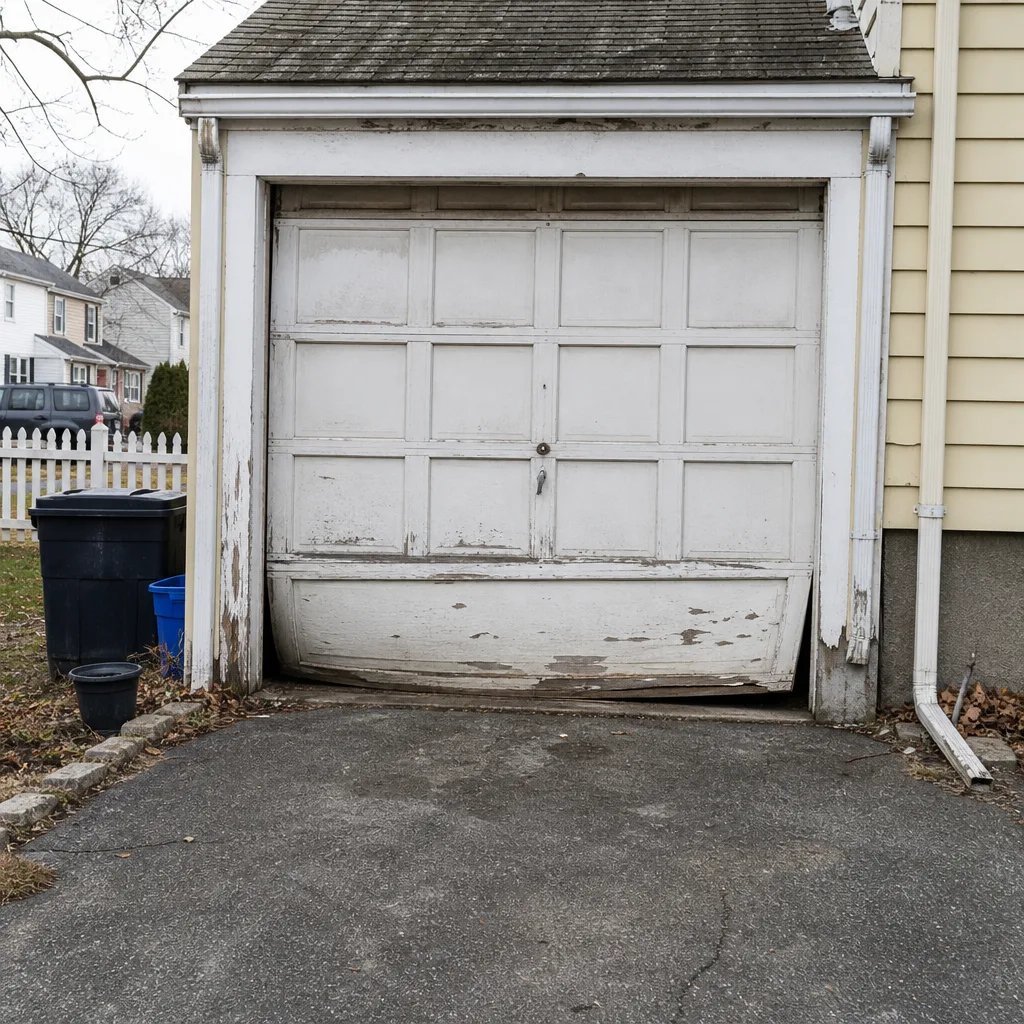 Before
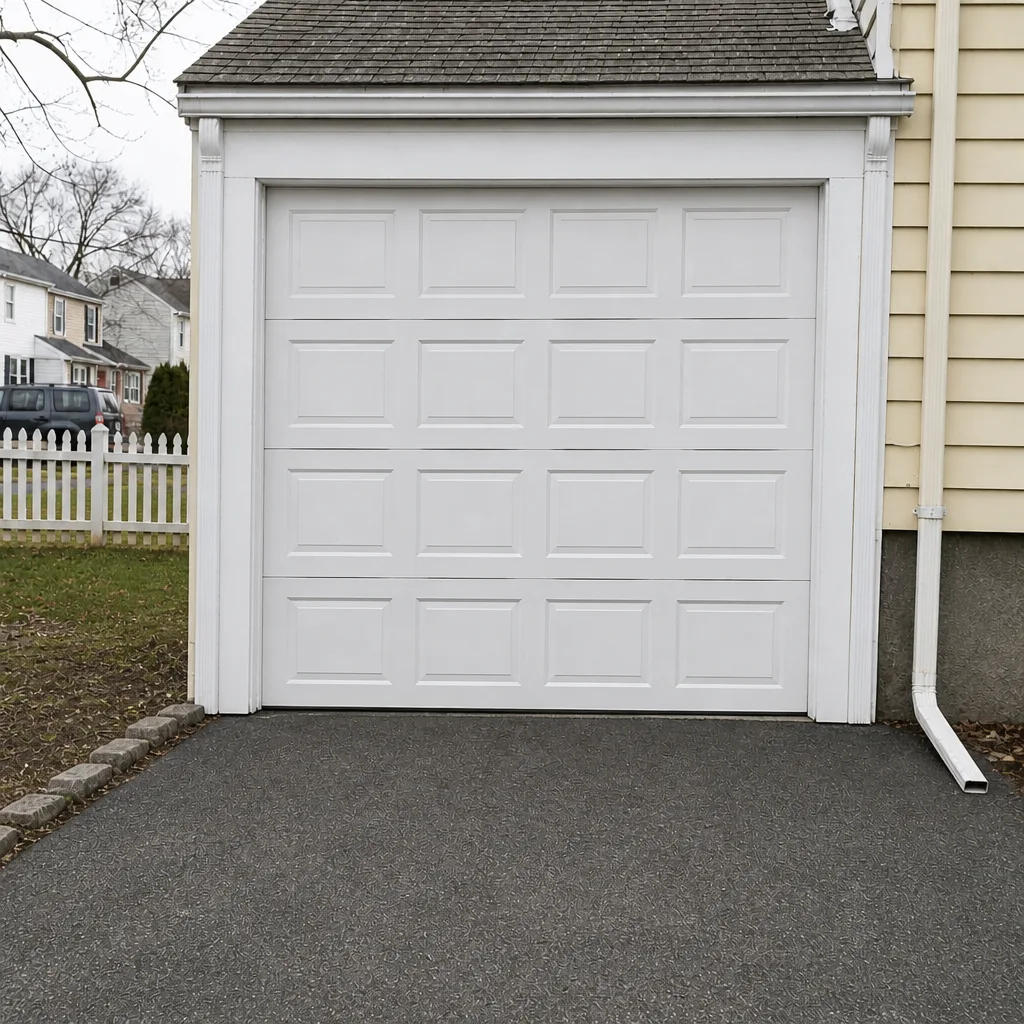 After
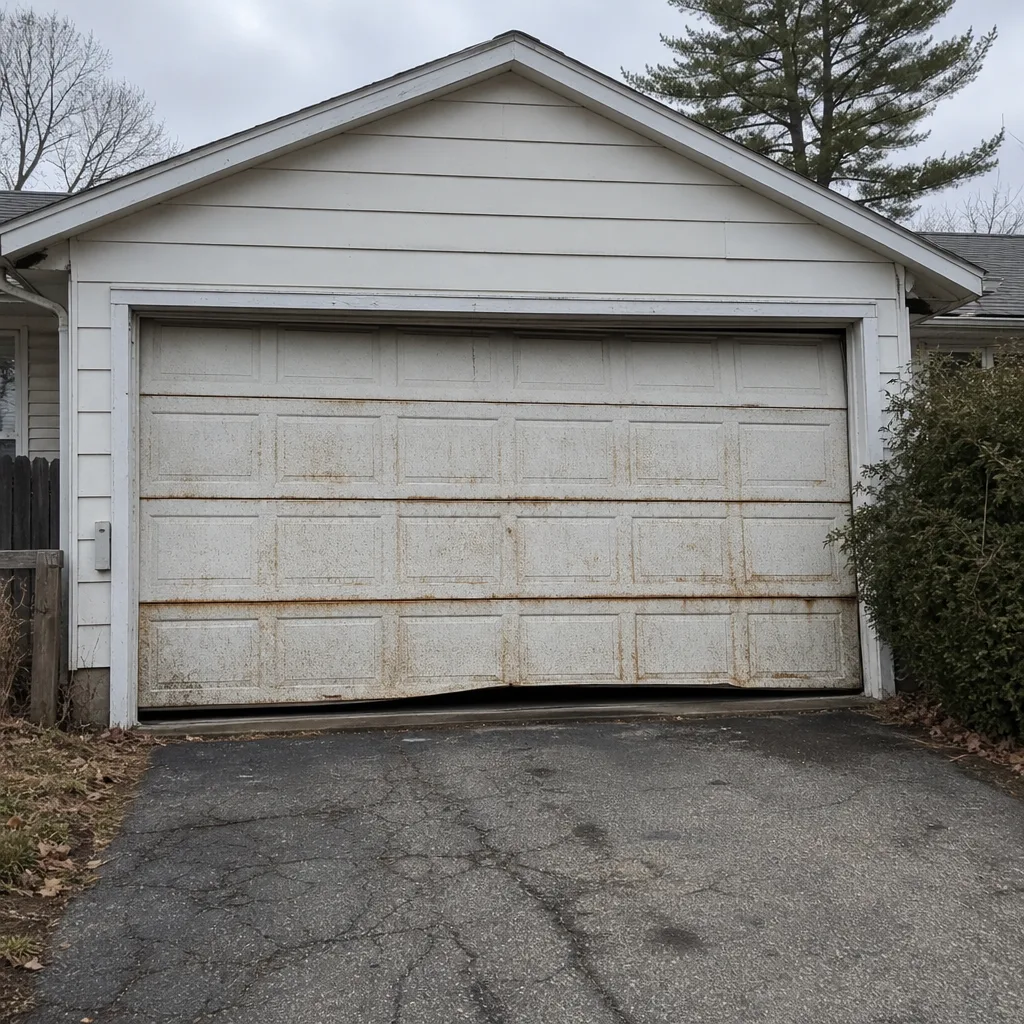 Before
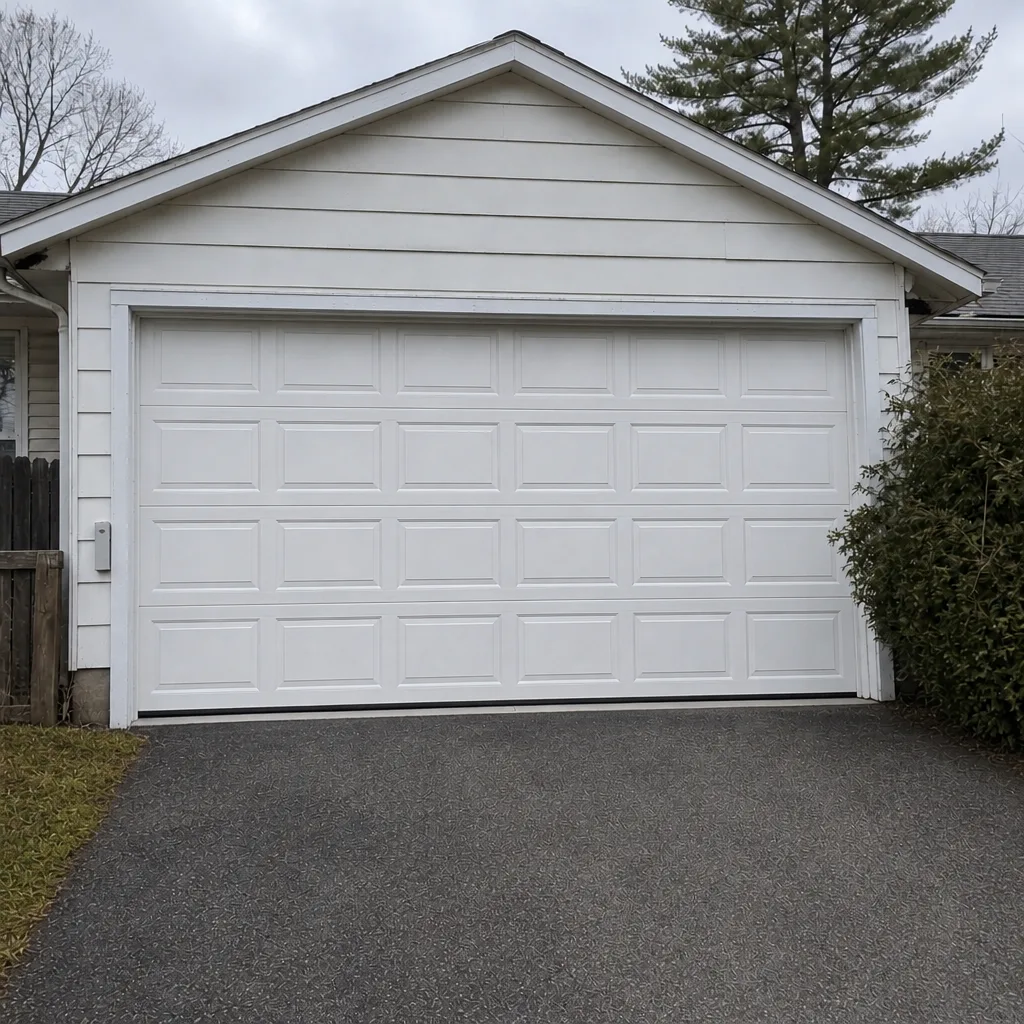 After
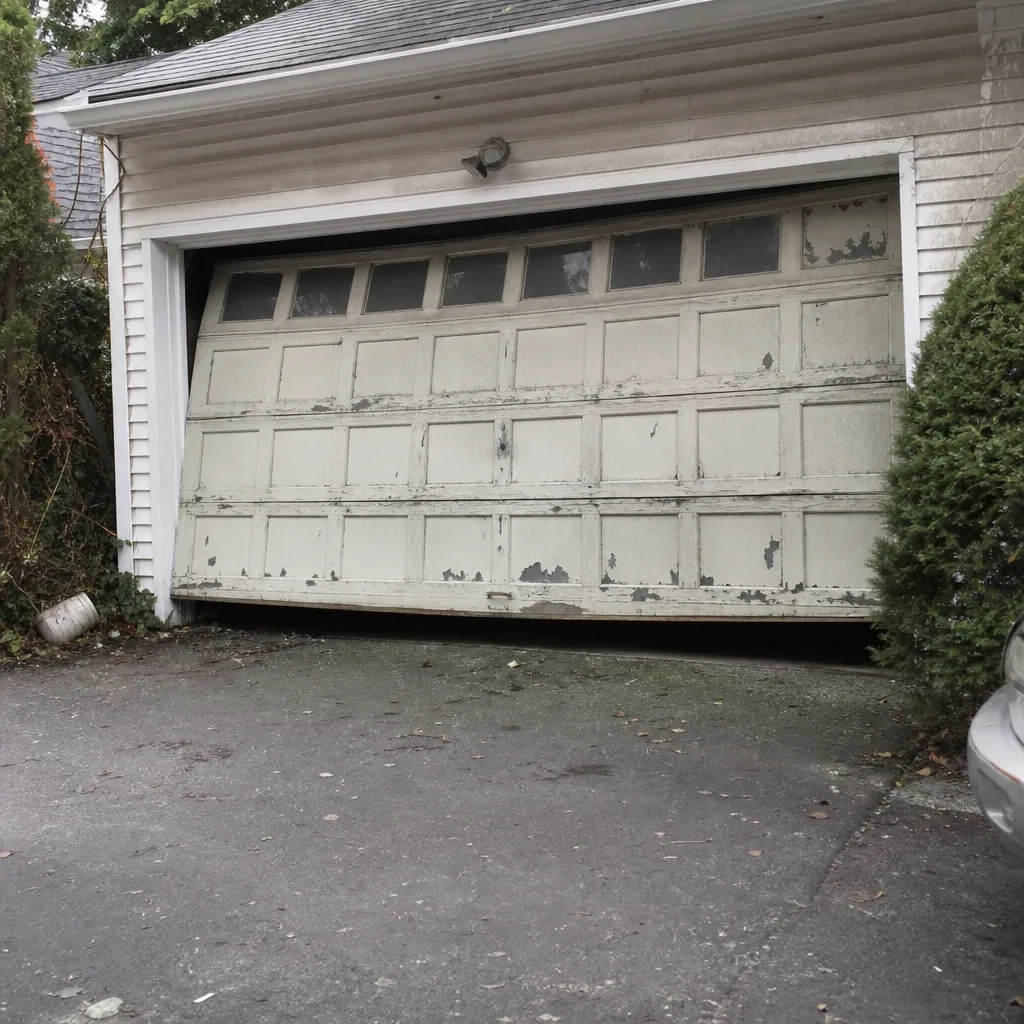 Before
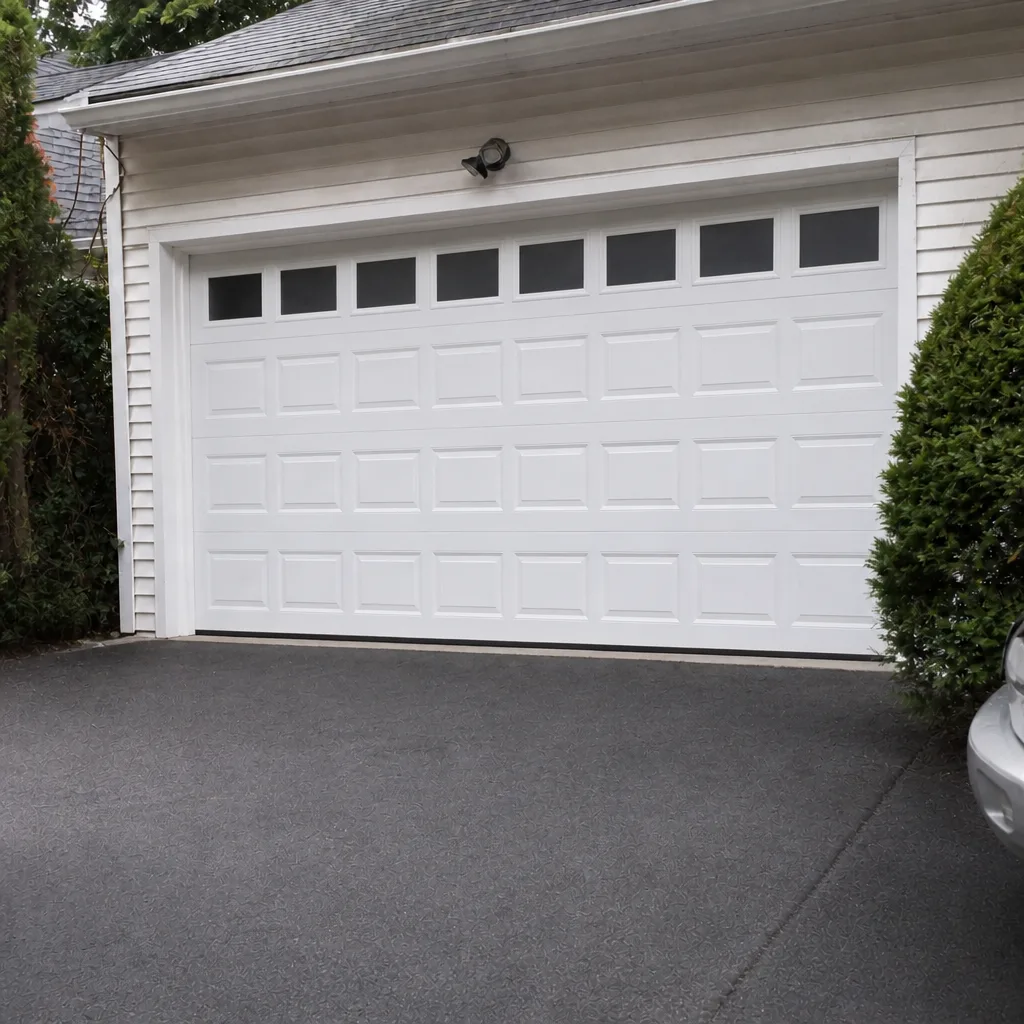 After
Frequently Asked Questions
No. Torsion spring replacement is the one garage door task that should always go to a trained professional. The spring stores enough energy to cause serious injury, and the winding process requires specific tools and knowledge that DIY guides don’t cover safely. Call (888) 902-1938 for a free estimate on a spring replacement.
Common repairs are typically quoted in ranges, with spring work and opener work priced separately, and the written estimate sets the final price. The best way to know your number is a free estimate on your specific door. Call (888) 902-1938 and we’ll give you a straight answer.
Possibly. Some manufacturers have warranty terms that specify who can perform repairs, and DIY work on a branded system can affect coverage. Check your door’s and opener’s warranty documentation before attempting a repair, or ask a specialist.
Lynn Garage Door Service works with trained technicians who handle the full scope of garage door repair, opener repair, and installation. Ask about current licensing and insurance when you call, and we’ll confirm the details. Call (888) 902-1938 for a free estimate.
Yes, for the maintenance itself. Lubrication, sensor alignment, and remote programming are all safe DIY tasks, and they genuinely extend the life of the door and opener. Where DIY stops is anything involving springs, cables, or the door’s weight. If you’re not sure which category a job falls into, call.
Do the diagnostic checklist in this guide first, then call with your notes. A precise description of the symptom gets you a faster and more accurate estimate. Call (888) 902-1938; we answer 24/7 and dispatch from 7am to 7pm, Sunday through Friday.
When to Call a Professional
Some jobs are safe to try. Others should go straight to a specialist. Call a professional if any of these apply: a spring has broken or looks stretched, a cable is frayed or loose, the door is off its track, the door won’t move with the opener but works by hand (or vice versa), the opener is making grinding or clicking sounds, or the door has dropped and won’t come back up. If a repair involves releasing tension, supporting the door’s weight, or getting underneath a raised door, stop and call. Our technicians have up to 15 years of experience on the major brands, and a free estimate is the easiest way to know what you’re dealing with. Lynn Garage Door Service offers free estimates in Lynn. Call (888) 902-1938. We answer 24/7. Fast dispatch from 7am to 7pm, Sunday through Friday.
The Bottom Line
The DIY-versus-professional question has a clear answer once you separate the low-risk tasks from the high-energy ones. Lubrication, sensor alignment, remote programming, and bottom seal work are yours to handle, and doing them saves real money over time. Torsion spring work, cable work, track repair, and opener replacement belong to a specialist, because the risk to you outweighs any savings. Get the diagnosis right before you call, and the quote process gets faster and cheaper. The line isn’t about skill. It’s about physics, and knowing which side of it you’re on is the whole decision.
If you’re in Lynn and you’re not sure where a particular repair falls, call (888) 902-1938 for a free estimate. We’ll tell you straight what’s safe to handle and what needs a professional hand.
Written by the team at Lynn Garage Door Service.