
Last updated November 15, 2026
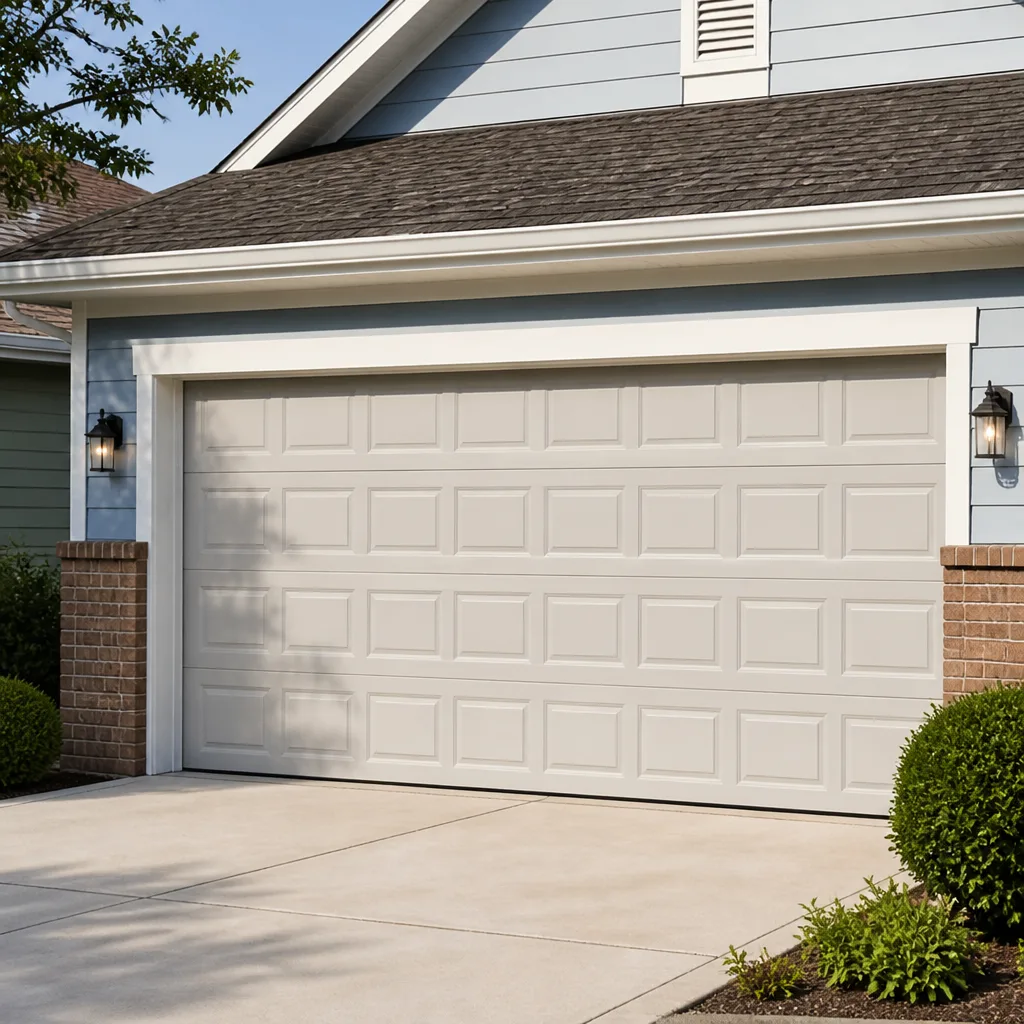 Raised-panel steel
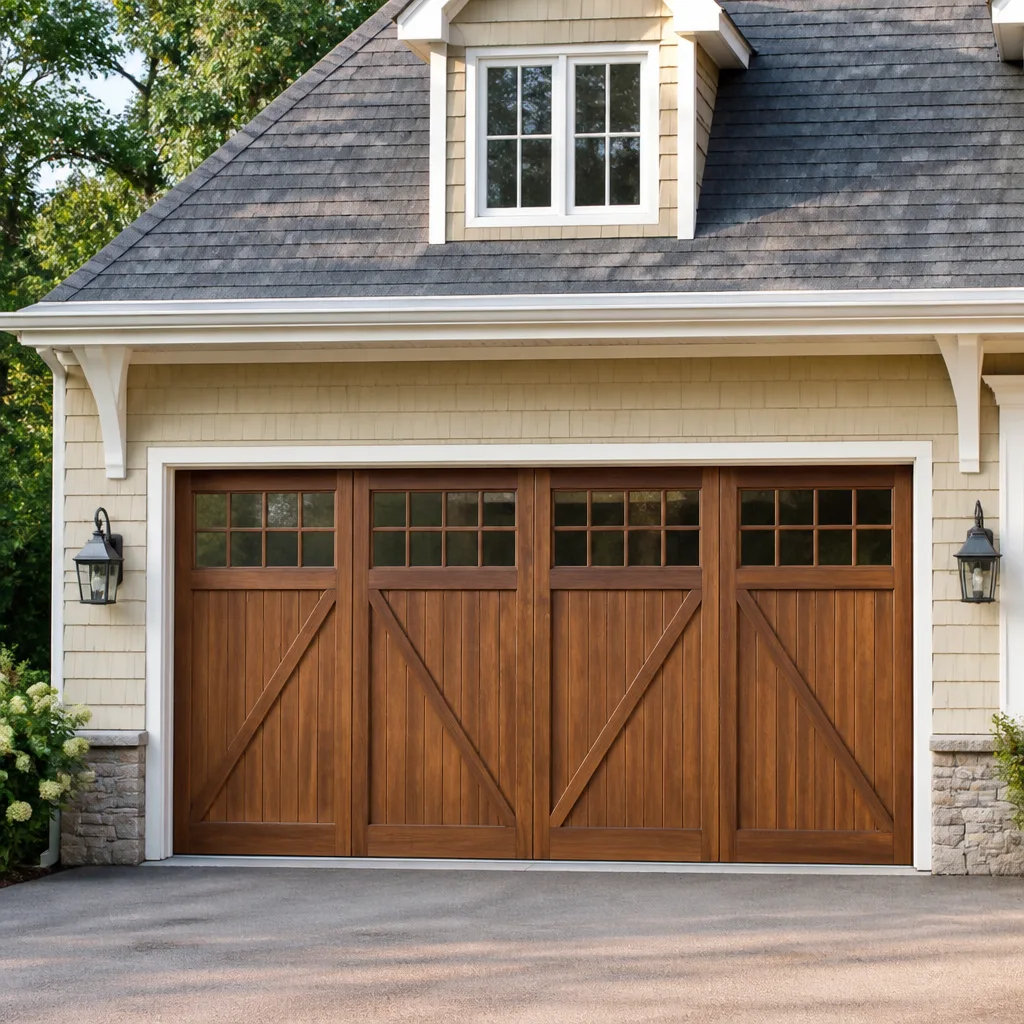 Carriage house
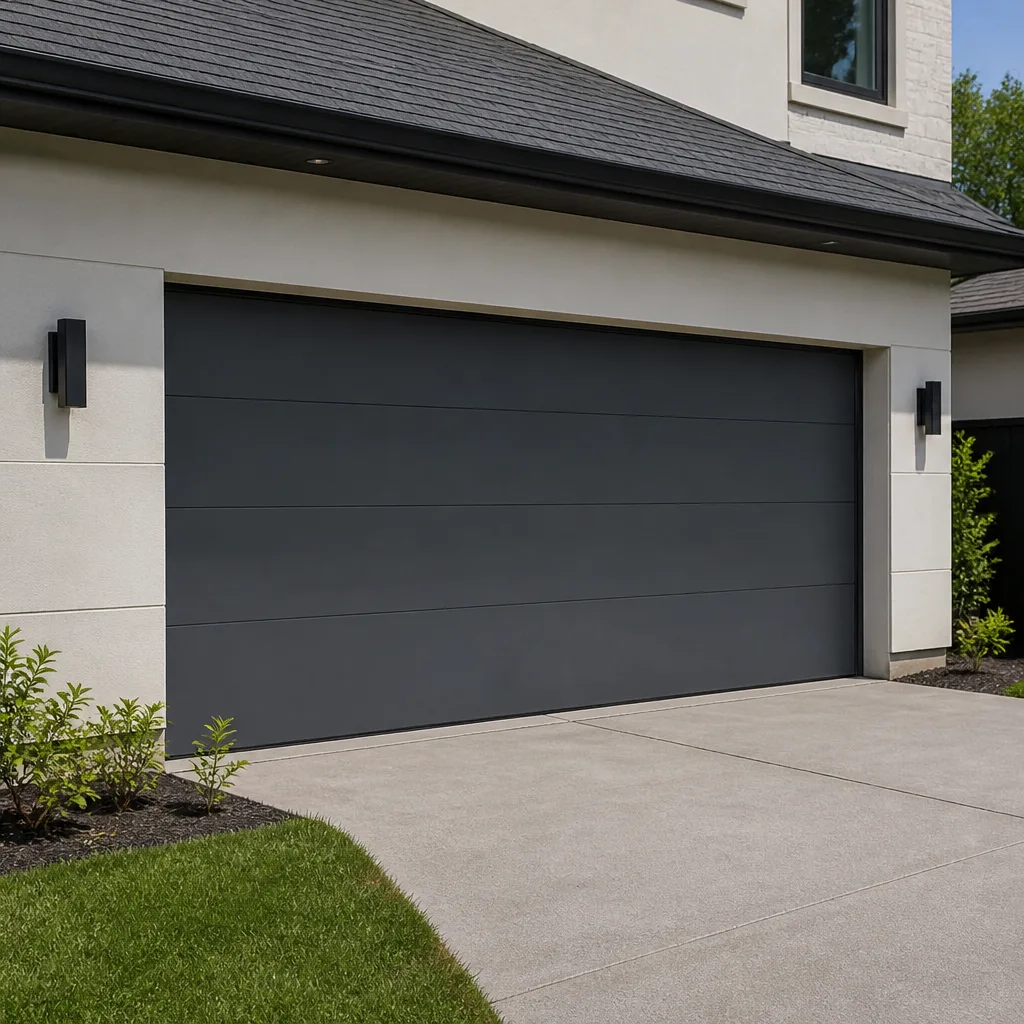 Modern flush
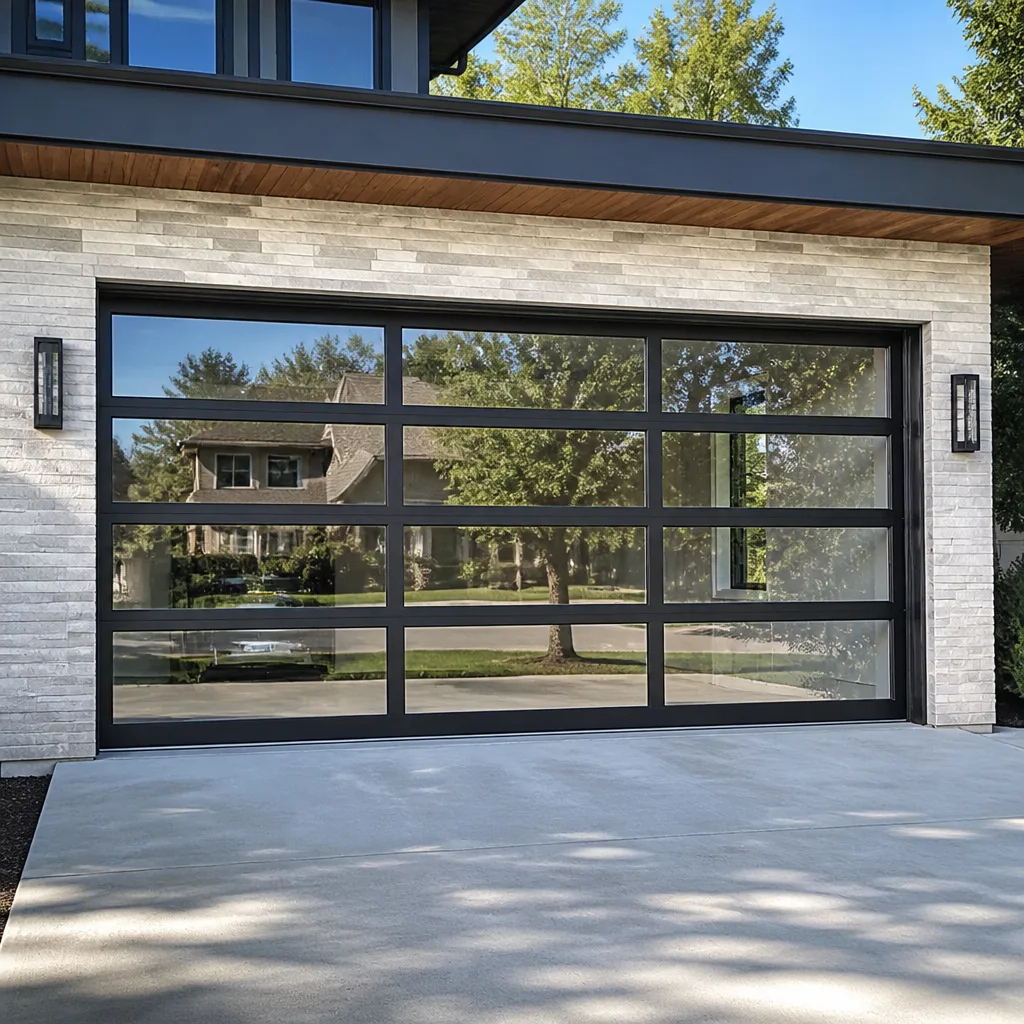 Full-view glass
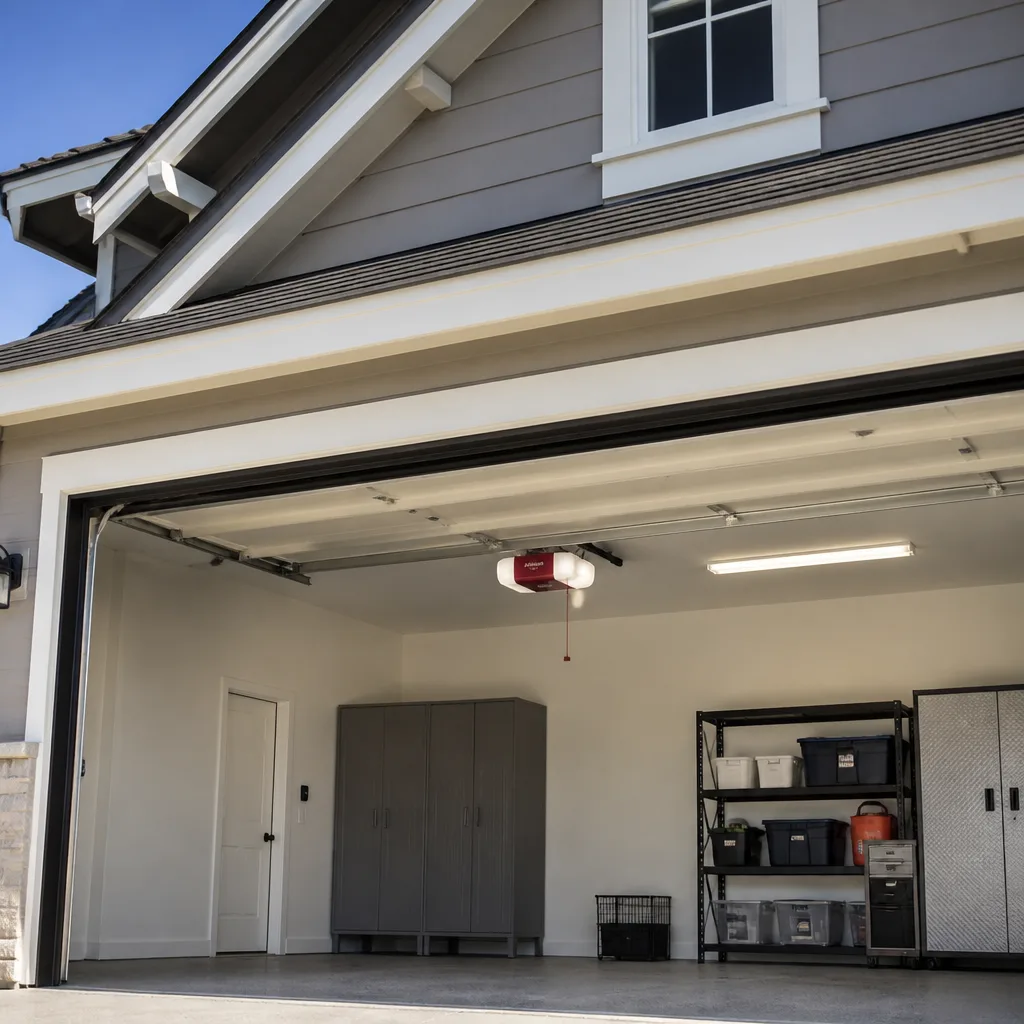 LiftMaster openers
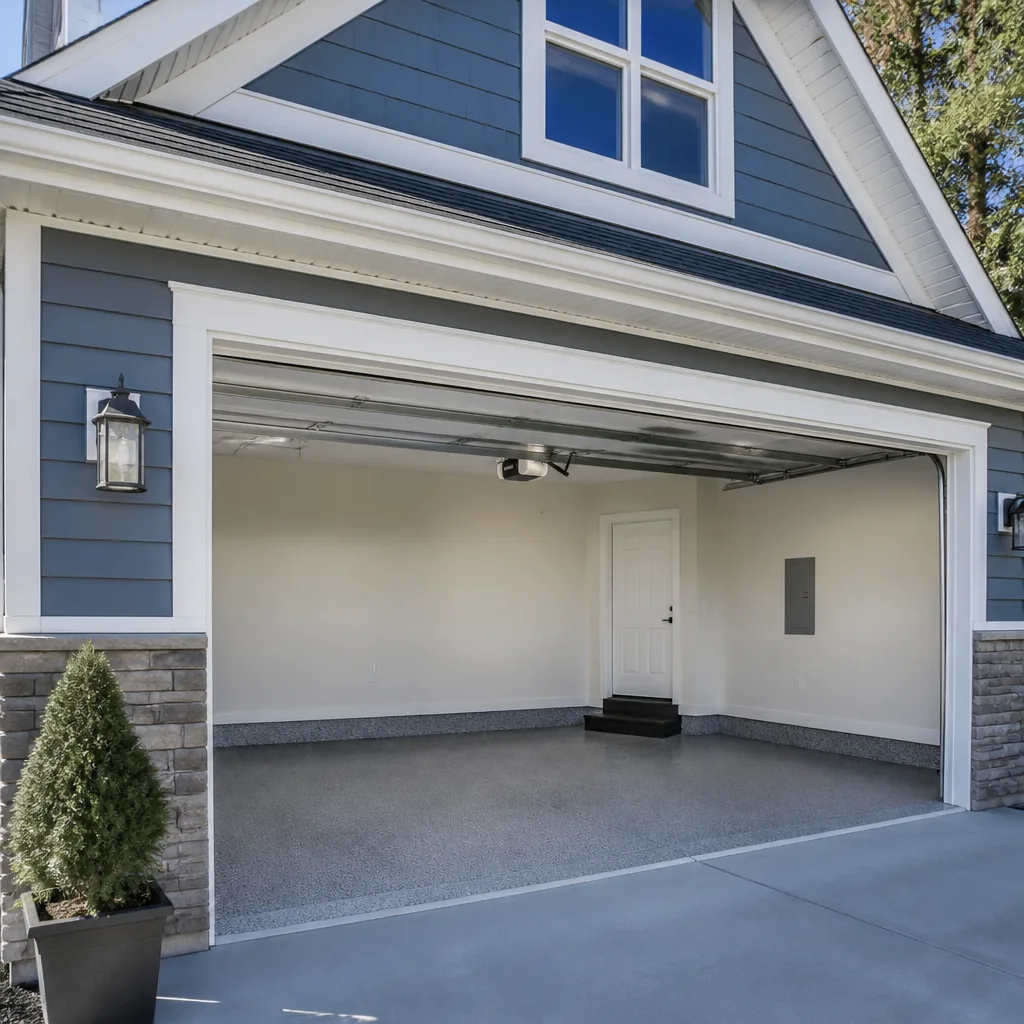 Chamberlain openers
Full 25-point door and opener safety check with every visit - springs, cables, rollers, tracks, and your LiftMaster or Chamberlain opener included
You get a price before we start. It does not change when the pro arrives.
Get your free estimateGarage Door Emergency Preparedness Guide for Lynn Homes
When a garage door fails during a nor’easter in Lynn, the problem isn’t just a broken spring. It’s an unsecured opening in a house that may also be losing heat and power at the same moment. Most homeowners react to the noise first and the security second, but the right order is the reverse: secure the opening, then deal with the mechanism. That sequence has a right order of operations most people don’t know, and this guide walks through it. You’ll learn how to disengage an opener safely in an outage, how to secure a door that won’t close against wind, and what a Lynn storm can do to tracks and seals that you won’t see until morning.
Styles & brands we work with
- Raised-panel steel
- Carriage house
- Modern flush
- Full-view glass
- LiftMaster openers
- Chamberlain openers
Quick Answer
During a garage door emergency in Lynn, secure the opening first and diagnose the mechanism second. If the door won’t close, block wind uplift and treat the opening as unsecured; if a spring has broken, stop using the door entirely and keep people and vehicles clear. For anything involving springs, cables, or the opener’s electrical side, call a trained technician rather than attempting a repair.
Table of Contents
- Why Lynn Homes Face Specific Garage Door Emergencies
- How Do You Disengage a Garage Door Opener During a Power Outage?
- What Do You Do When a Garage Door Won’t Close?
- What Storm Damage Isn’t Visible Until Morning?
- What Should You Do When a Spring Breaks Mid-Operation?
- What Belongs in a Garage Door Emergency Kit?
- The Step-by-Step Sequence for Any Garage Door Emergency
- After the Emergency: What to Check and What to Fix
- Common Mistakes to Avoid
- When to Call a Professional
- Frequently Asked Questions
- The Bottom Line
Why Lynn Homes Face Specific Garage Door Emergencies
Lynn’s housing stock and its weather combine in a way that makes garage door failures more consequential than they are in a newer suburb. The city is dense. Attached garages are common, and many sit under or beside living space. When a door fails and the opening stays unsecured, it isn’t a detached outbuilding losing heat. It’s the house.
Then there’s the storm pattern. Nor’easters roll through with sustained wind and driving rain, sometimes with a rapid freeze behind them. That combination stresses every part of a garage door system at once:
- Wind uplift. An unsealed or partly open door becomes a sail. The bottom panel takes the load first.
- Water intrusion. Rain driven at an angle gets past a bottom seal that’s cracked or compressed. The water sits, then freezes.
- Temperature swing. A door that cycles fine at 45 degrees can bind at 15 degrees as metal contracts and lubricant thickens.
- Older hardware. Many Lynn garages have openers and doors that have been through many winters. Springs fatigue invisibly long before they break.
What makes this a preparedness guide rather than a repair guide is the timing. The worst moment to figure out how your opener disengages is during an outage in the dark. The worst moment to discover your door won’t latch is when the wind is already up. This guide is written so you can read it now, set up a few simple things, and act with a clear head when something fails. We work on the door you already have, and much of what follows is the same advice we give a homeowner before we ever send a technician.
How Do You Disengage a Garage Door Opener During a Power Outage?
You disengage the opener by pulling the manual release cord, which hangs from the trolley on the opener rail. That releases the door from the motor so you can lift it by hand. The step almost everyone forgets is re-engagement: you must reconnect the trolley before the opener will control the door again once power returns.
The disengagement procedure
- Stand clear of the door’s path. Make sure no one is under the door and nothing is blocking the opening. A disengaged door is heavy and only supported by its springs and your hands.
- Find the release cord. It hangs down from the trolley, the carriage that runs along the rail. On most garage door opener repair, the cord has a red handle.
- Pull the cord straight down and toward the door (the direction of travel). You’ll hear or feel the trolley click free.
- Lift the door slowly by hand. If it feels extremely heavy or won’t stay up, stop. A door that won’t hold itself open has a spring problem, and lifting it repeatedly is dangerous.
- Prop it only if you must. A properly balanced door stays up on its own. If it doesn’t, use a sturdy brace, never a chair or a broomstick.
The re-engagement step people forget
When power comes back, the opener will run, but the door won’t move if the trolley is still released. To reconnect, close the door by hand first, then pull the release cord in the opposite direction (toward the opener). You’ll feel it snap back onto the carriage. Then run the opener through one full open-and-close cycle to confirm it has re-engaged. If the door travels but the carriage stays put, it isn’t reconnected. This is the single most common call we get after a storm outage, and it’s almost always solved in seconds once you know the trick.
One safety note: never disengage the opener while the door is fully open and then let go expecting it to stay. On a door with weak springs, a disengaged door can drop. Keep hands clear of the hinges and the gap between sections at all times.
What Do You Do When a Garage Door Won’t Close?
When a garage door won’t close, the priority is securing the opening against wind and intrusion, not forcing the mechanism. A door that refuses to close in a storm is an open hole in the building envelope, and wind moving through that opening can lift the door further or damage the panels.
What actually works to secure the opening
- Close it manually and latch it if you can. Disengage the opener (see above), lower the door by hand, and if it has a manual slide lock or a lock bar, engage it.
- Brace the door from inside with a sturdy board wedged between the door and the floor, angled to resist wind pushing inward. This is temporary and only for a door that’s already down.
- Block the gap at the bottom with a rolled towel or foam strip to cut drafts and driven rain.
- Move anything valuable out of the garage and away from the opening in case the door fails further.
What creates a false sense of security
A door that’s three-quarters down but not latched looks closed and is not. The opener’s safety sensors can hold a door in a partly open position if something blocks the beam, and that gap is exactly where wind gets under the bottom panel and starts lifting. Check the sensors: a small light on each sensor unit should be steady, not blinking. If it’s blinking, something is breaking the beam, and the opener is doing what it’s designed to do by refusing to close. Also, don’t tape a door shut and call it secured. Tape holds nothing against wind uplift, and it hides the real problem from whoever comes to fix it. Wind uplift is the specific risk in Lynn storms: a wide, unlatched opening acts like a sail, and the bottom section takes the load first.
What Storm Damage Isn’t Visible Until Morning?
The most common storm damage to a garage door in Lynn is track misalignment and bottom seal failure, and both usually look fine until you try to open the door the next morning. A nor’easter’s wind can bow a vertical track a fraction of an inch, and that’s enough to make a roller bind.
Track warping
Tracks are thin steel. Wind pressure against a door that’s even slightly open can flex the vertical tracks out of plumb. In the dark, with the door down, you won’t see it. The next time you run the opener, the door grinds, catches, or stops halfway. If you hear a scrape or the door hesitates on one side, stop and inspect the tracks before running the opener again. A bound roller under motor power can bend a track further or snap a cable.
Bottom seal damage
The bottom seal (the rubber or vinyl strip along the lowest panel) is the door’s first line against water. Driven rain and then a freeze can crack a seal that was already compressed. You won’t notice until you see water on the garage floor or feel a draft. Run your hand along the bottom edge with the door closed: a seal that’s hard, cracked, or not touching the floor on one side has failed. In Lynn’s freeze-thaw cycles, a wet seal that refreezes can also pull away from the panel.
Panel and hardware damage
Look for dents on the bottom panel, popped hinges, and rollers that have jumped their tracks. If a panel is visibly bent, the door may not seal and may not travel straight. This is the point where a door that “still works” is quietly damaging itself every time it cycles.
The morning-after check is simple: open the door slowly by hand (disengaged), watch and listen for binding, and inspect the seal and tracks with a flashlight. If anything binds, stop and call. We work on doors from Clopay, Amarr, and others, and a track realignment is a quick fix when it’s caught before the opener chews through it.
What Should You Do When a Spring Breaks Mid-Operation?
When a spring breaks mid-operation, stop using the door immediately and keep everyone clear. A broken torsion spring means the door is being held up by a fraction of its intended support, and the opener is now lifting dead weight it wasn’t built for. The loud bang is the spring, but the danger is what happens next.
Immediate steps
- Stop the opener. Don’t run it again to “see if it works.” It won’t, and it may damage the opener or drop the door.
- Keep people and vehicles out of the garage if the door is up. A door held up by a broken spring can fall without warning.
- If the door is down, leave it down. A closed door with a broken spring is stable. Don’t try to lift it.
- Don’t touch the spring, cables, or the shaft. Torsion springs and the cables they tension store enormous energy. A cable under tension can whip. This is not a homeowner repair.
- Call for service. Note whether it’s a torsion spring (on the shaft above the door) or an extension spring (along the horizontal tracks) so the technician knows what to bring.
What not to do
Don’t try to open the door by hand to get the car out, and don’t wedge it open and leave it. Don’t spray lubricant on a broken spring hoping it will hold, and don’t let anyone stand under an open door with a broken spring. A spring repair is a one-spring job, and a matched pair is usually replaced together; a technician replaces it to bring the door back into balance, not to get you through the week.
If a spring breaks outside the usual hours, call (888) 902-1938. We answer 24/7, and fast dispatch from 7am to 7pm, Sunday through Friday gets a technician out to assess it. We’re closed Saturday, and a call outside dispatch hours is booked into the next opening.
What Belongs in a Garage Door Emergency Kit?
Four items solve the large majority of non-mechanical garage door emergencies temporarily: a manual release pull, a flashlight, a bottom-seal gap blocker, and a door brace. None of them fix a broken spring, but together they get you through the hours until a technician arrives.
- A flashlight that lives by the garage door. During an outage you’ll be looking at tracks, sensors, and the release cord in the dark. Keep it where you can find it without the garage light.
- A bottom-gap blocker. A rolled foam strip or a heavy towel cuts drafts and driven rain at the bottom edge when a door won’t seal. It’s temporary, but it protects the floor and the seal.
- A door brace. A sturdy board or adjustable bar that wedges between the door and the floor from inside, resisting wind uplift on a door that’s down.
- A small step stool and a printed copy of the disengagement steps. The release cord is often out of reach for shorter homeowners, and the re-engagement step is easy to forget in the dark. Keep the printed steps taped inside the garage.
Two things that don’t belong in the kit: a bottle of lubricant you plan to spray on a problem (it hides symptoms and can attract grit) and a ladder you’d use to reach the torsion spring. The spring and cables are a trained-professional job. A flashlight pointed at the problem is helpful; a wrench on the spring shaft is not.
For homes in Lynn with a LiftMaster or Chamberlain opener, the opener itself may have a battery backup that keeps the door working during an outage. Know whether yours does, because a backup changes the plan: you may not need to disengage at all.
The Step-by-Step Sequence for Any Garage Door Emergency
Whatever the failure, the same order of operations applies. Secure the opening, then the mechanism, then call. Getting this order right is what separates a stressful hour from a dangerous one.
- Make sure no one is under or near the door. This is always step one.
- Secure the opening against wind and intrusion. Get the door down and latched, or brace it and block the gap if it won’t close.
- Stop the opener. Unplug it or turn off the breaker if the door is stuck or you hear grinding. A motor that keeps running on a bound door makes everything worse.
- Identify the failure. Spring (bang, door won’t hold up), cable (slack or snapped on one side), track (binding on one side), sensor (door won’t close but runs partway and reverses), or opener (nothing happens at all).
- Do what’s safe and stop. Disengage and operate by hand only if the door is balanced and you can do it slowly. Never force a bound or heavy door.
- Call for service and describe what you saw and heard. The more detail, the faster the right fix.
For a door that won’t close in a storm, the sequence is slightly different: secure the opening first, then diagnose the sensor or track issue. For a broken spring, secure the car and the opening, then call. If you’re unsure, treat it as a spring problem and keep the door closed.
After the Emergency: What to Check and What to Fix
Once the immediate danger is past, a Lynn garage door that survived a storm still deserves a careful look. Storm damage often shows up as a small problem that gets worse with each cycle. Here’s what to check once things calm down.
- Run the door by hand first. Disengage the opener and lift it slowly. It should move smoothly and stay up on its own. If it doesn’t, the springs are out of balance.
- Watch both sides as it opens. A door that hesitates on one side has a track or roller problem.
- Check the bottom seal and side seals for cracks, gaps, and water intrusion.
- Test the safety sensors by blocking the beam with your foot. The door should reverse. If it closes anyway, the sensors need attention.
- Listen for new noises. Grinding, popping, or a squeal that wasn’t there before the storm is a signal to book garage door repair before the next weather event.
If you’re in the market for a full replacement rather than a repair, Lynn homeowners often ask us how to choose a door that stands up to local storms. Diagnosis before replacement is our default: many doors that seem beyond saving just need a track realignment, a new seal, and balanced springs. When a replacement is the right call, we handle it as one project, from the same team that diagnosed the problem.
Common Mistakes to Avoid
- Running the opener again to “see if it works.” After a spring breaks or a cable snaps, each run forces the motor to lift dead weight and can bend the track or burn out the opener.
- Forcing a bound door by hand. A door that binds on one side has a track or roller problem; pushing it can snap a cable or drop the door.
- Forgetting to re-engage the trolley. When power returns, the opener runs but the door doesn’t move. Close the door by hand first, re-engage, then cycle it once.
- Taping or wedging a door shut and calling it secured. Tape doesn’t resist wind uplift, and it hides the real failure from the technician.
- Standing under an open door with a broken spring. A door held up by a broken spring can drop without warning. Keep the area clear.
- Ignoring a blinking sensor light. A blinking indicator means the beam is broken, and the opener is refusing to close for a reason.
- Skipping the morning-after inspection. Storm-warped tracks and cracked seals are cheap to fix early and expensive to fix after a dozen more cycles.
One more that’s easy to miss in a dense Lynn neighborhood: leaving the garage door up on a windy night. Even a door that’s working can be caught by a gust and stressed. Treat an open door in a storm as a risk, not a convenience.
When to Call a Professional
Call a professional for any spring or cable problem, for a door that binds or won’t balance, for an opener that runs but won’t move the door, and for storm damage you can see but can’t safely fix. A broken torsion spring, a snapped cable, or a bent track are not homeowner jobs: the stored energy in a spring or cable can injure seriously if it releases, and a door that drops is a real hazard. If the door won’t close in a storm and your braces aren’t holding, that’s a call too. Lynn Garage Door Service offers free estimates in Lynn. Call (888) 902-1938. We answer 24/7, and fast dispatch from 7am to 7pm, Sunday through Friday gets a technician out to look. We’re closed Saturday, and a call outside dispatch hours is booked into the next opening.
Frequently Asked Questions
Pull the manual release cord on the opener trolley to disconnect the door from the motor, then lift the door by hand slowly. If it feels extremely heavy or won’t stay up, stop: the springs may be the problem, and lifting it repeatedly is dangerous. Remember to re-engage the trolley before using the opener again.
Secure the opening first: get the door down and latch it, or brace it from inside and block the bottom gap. Check the safety sensors for a blinking light, which means the beam is blocked and the opener is refusing to close. Don’t force the door or tape it shut and call it done. Call (888) 902-1938 for an assessment.
Yes, treat it as urgent. A door held up by a broken spring can drop, and running the opener can damage it further. Keep people and vehicles clear, leave the door down if it’s closed, and don’t touch the spring or cables. Call for service; fast dispatch from 7am to 7pm, Sunday through Friday, gets it looked at.
Yes. Wind pressure against a door that’s even partly open can bow the vertical tracks enough to make a roller bind. You often won’t see it until the next time the door opens and grinds or stops halfway. If it binds, stop and have the tracks checked before using the opener again.
The price depends on what failed, and any estimate is set per job in writing before work starts. A simple adjustment or a seal replacement costs less than a spring or track repair. The written estimate is the price; there are no surprises added after. Call (888) 902-1938 for a free estimate.
A flashlight that lives by the garage door. Most emergency steps, from finding the release cord to checking the sensors, happen in the dark. Add a bottom-gap blocker and a door brace for storm prep, and keep a printed copy of the disengagement steps taped inside the garage.
The independent professionals we connect you with are experienced with the major garage door brands, including LiftMaster, Chamberlain, Genie, Clopay, Amarr, Wayne Dalton, Craftsman, and Raynor. Ask for current licensing and insurance details when you call, and we’ll confirm them for your job. Call (888) 902-1938 to get started.
The Bottom Line
Garage door emergencies in Lynn come down to a simple order of operations: secure the opening first, then the mechanism, then call. Know how to disengage and re-engage your opener, keep a small kit by the door, and stop using a door the moment a spring breaks or a track binds. The storm damage that matters most is the kind you don’t see until morning, so do the day-after check. If you ever need help, Lynn Garage Door Service handles repair, opener repair, and installation with the same team. Call (888) 902-1938 for a free estimate. Learn more about Lynn Garage Door Service and the brands we work on.
Written by the team at Lynn Garage Door Service.
See the difference
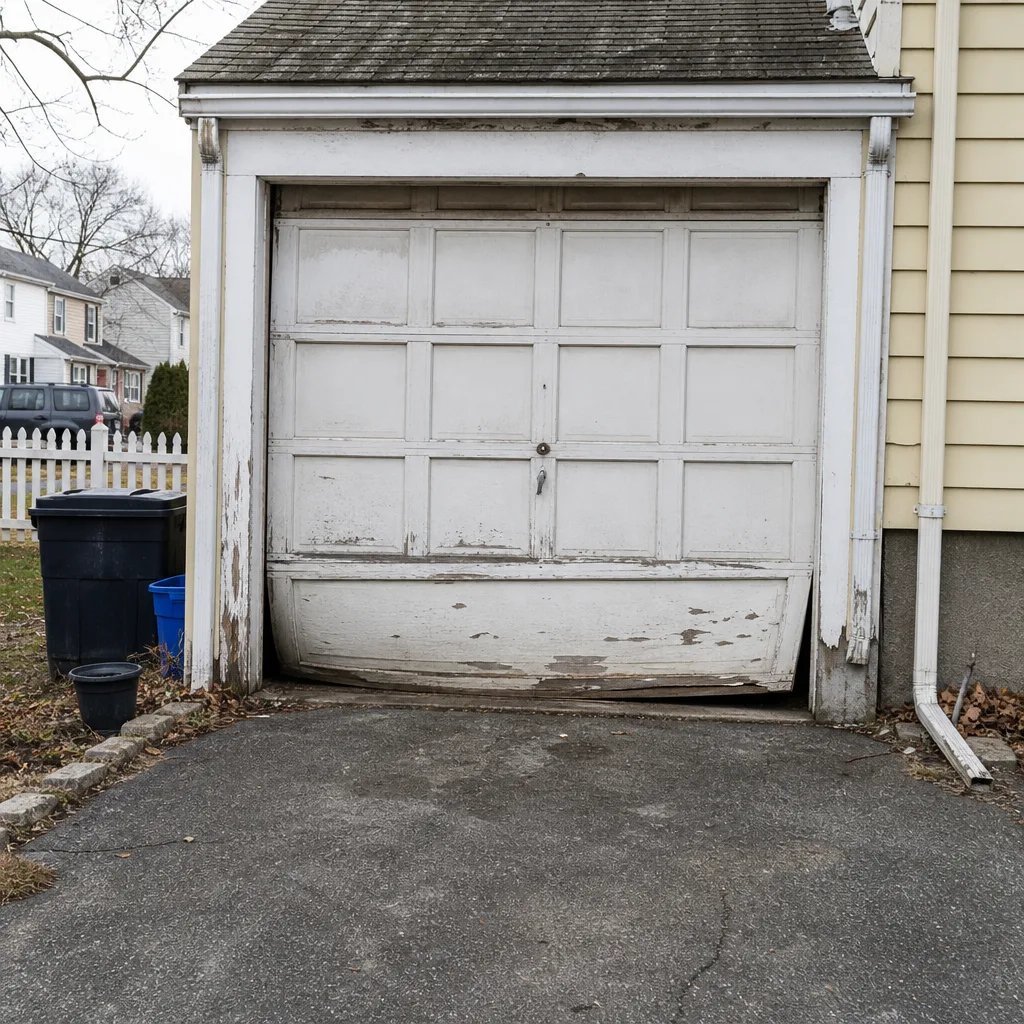 Before
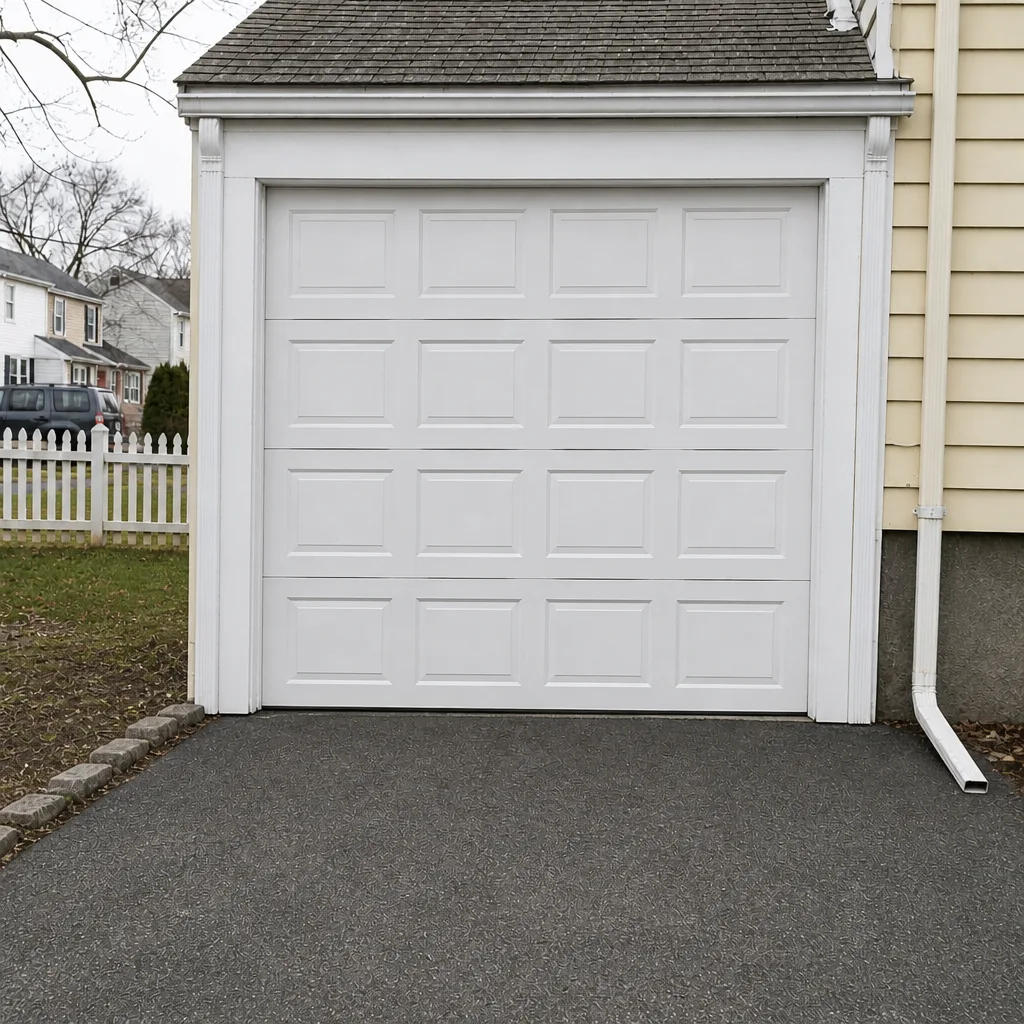 After
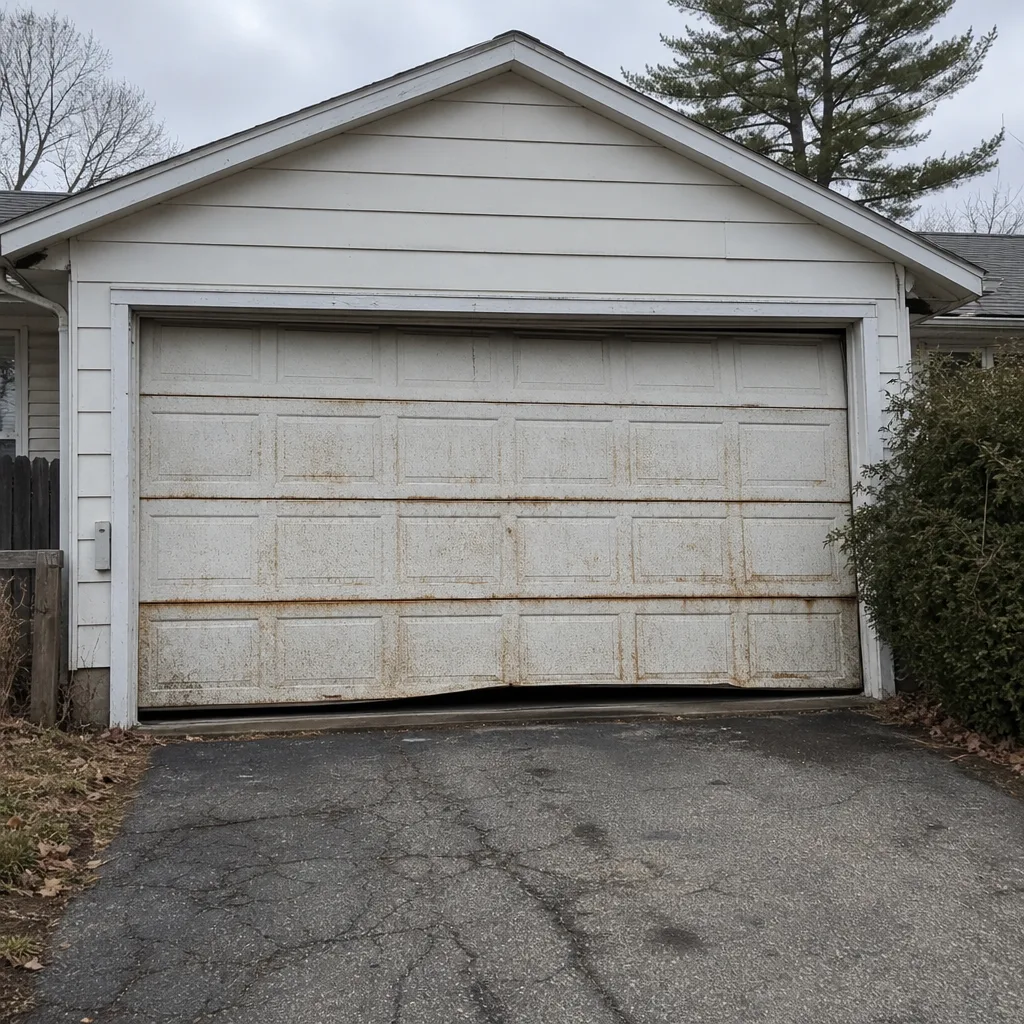 Before
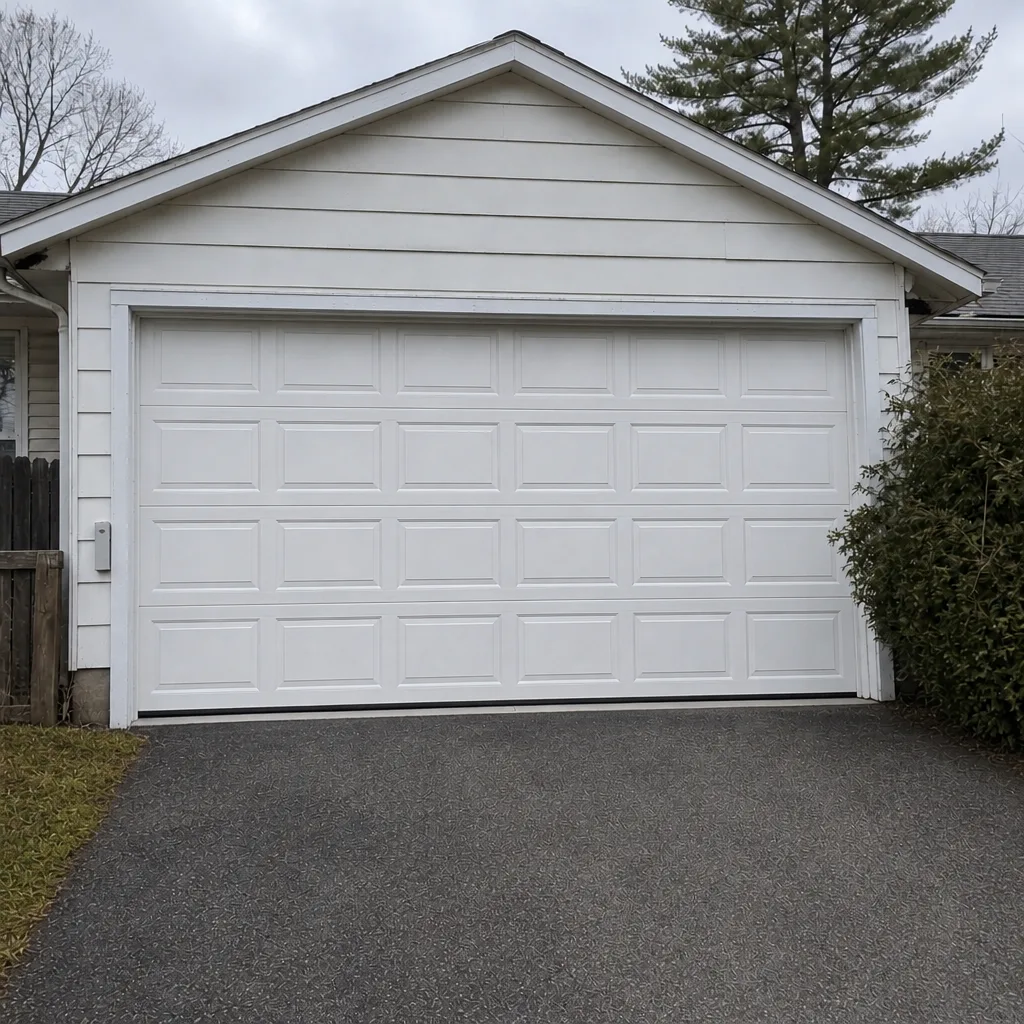 After
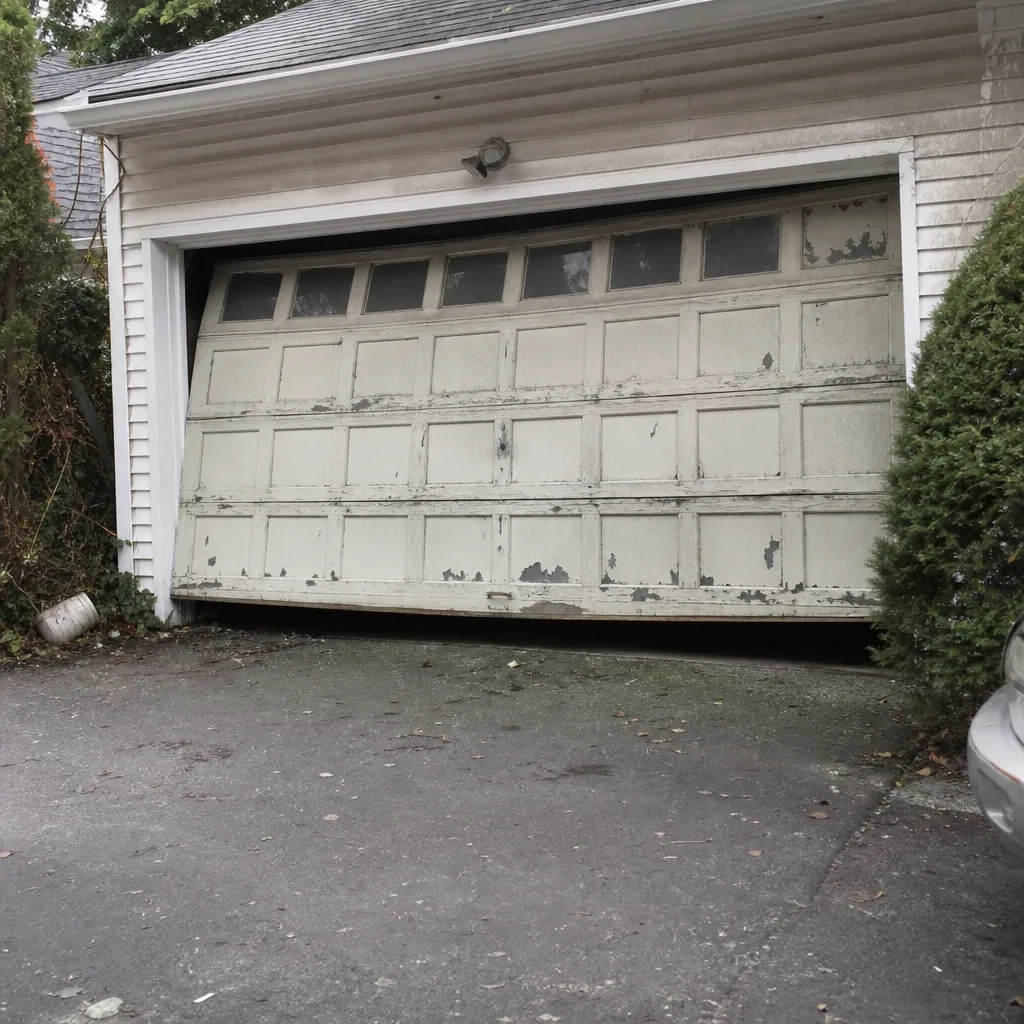 Before
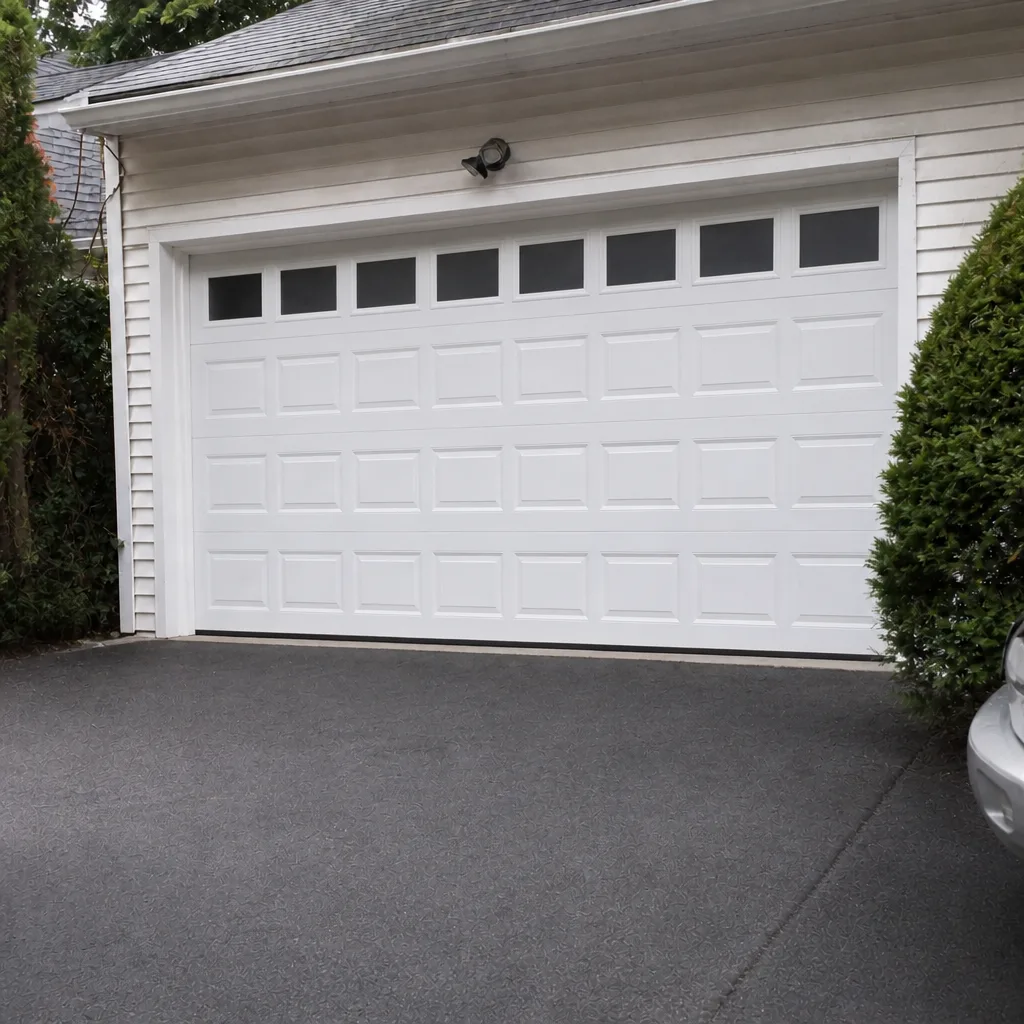 After