
Last updated November 15, 2026
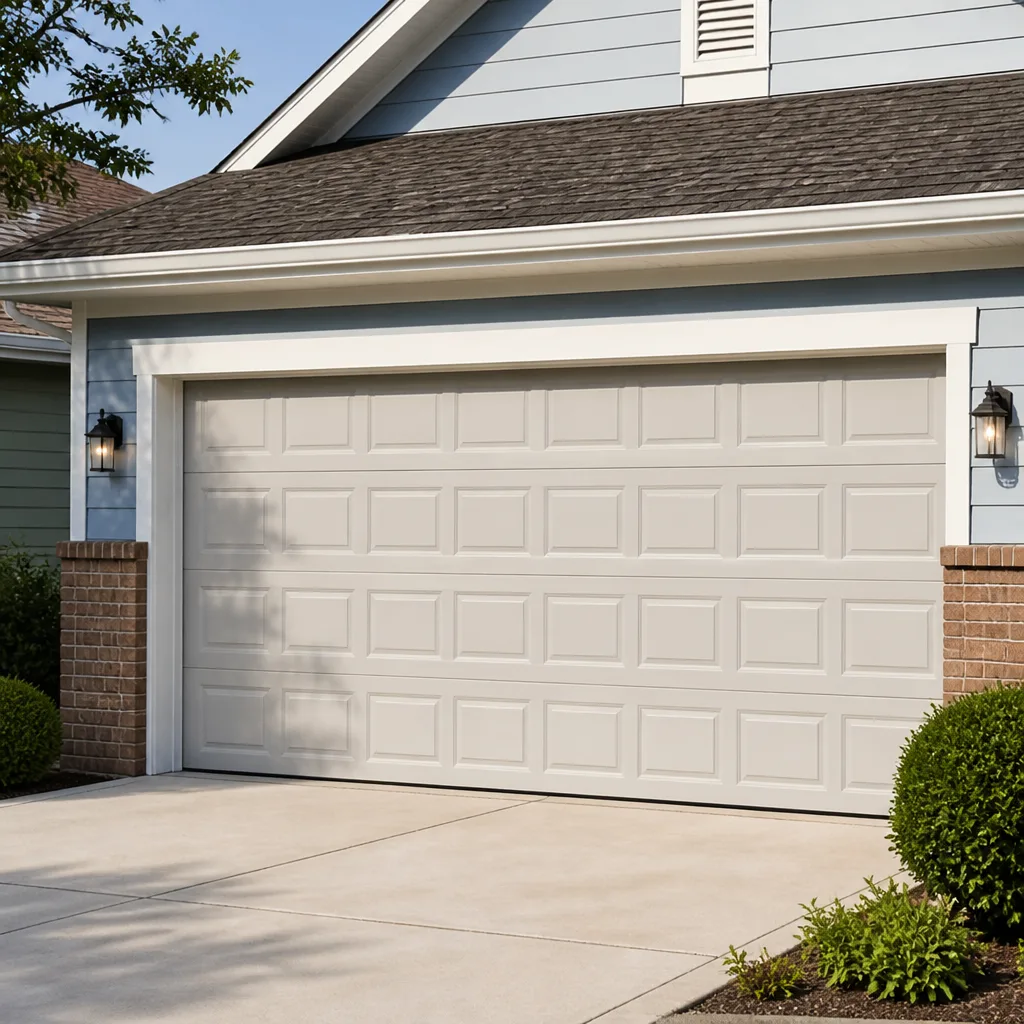 Raised-panel steel
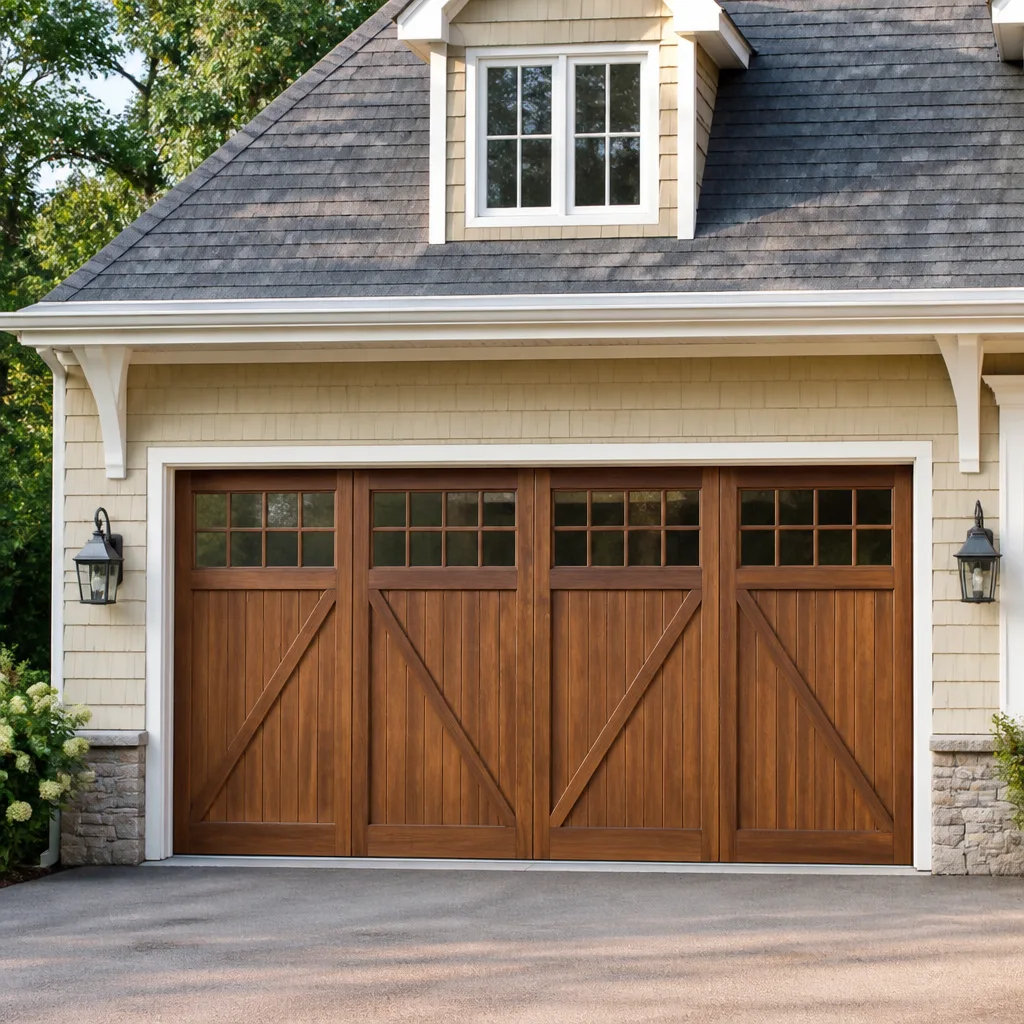 Carriage house
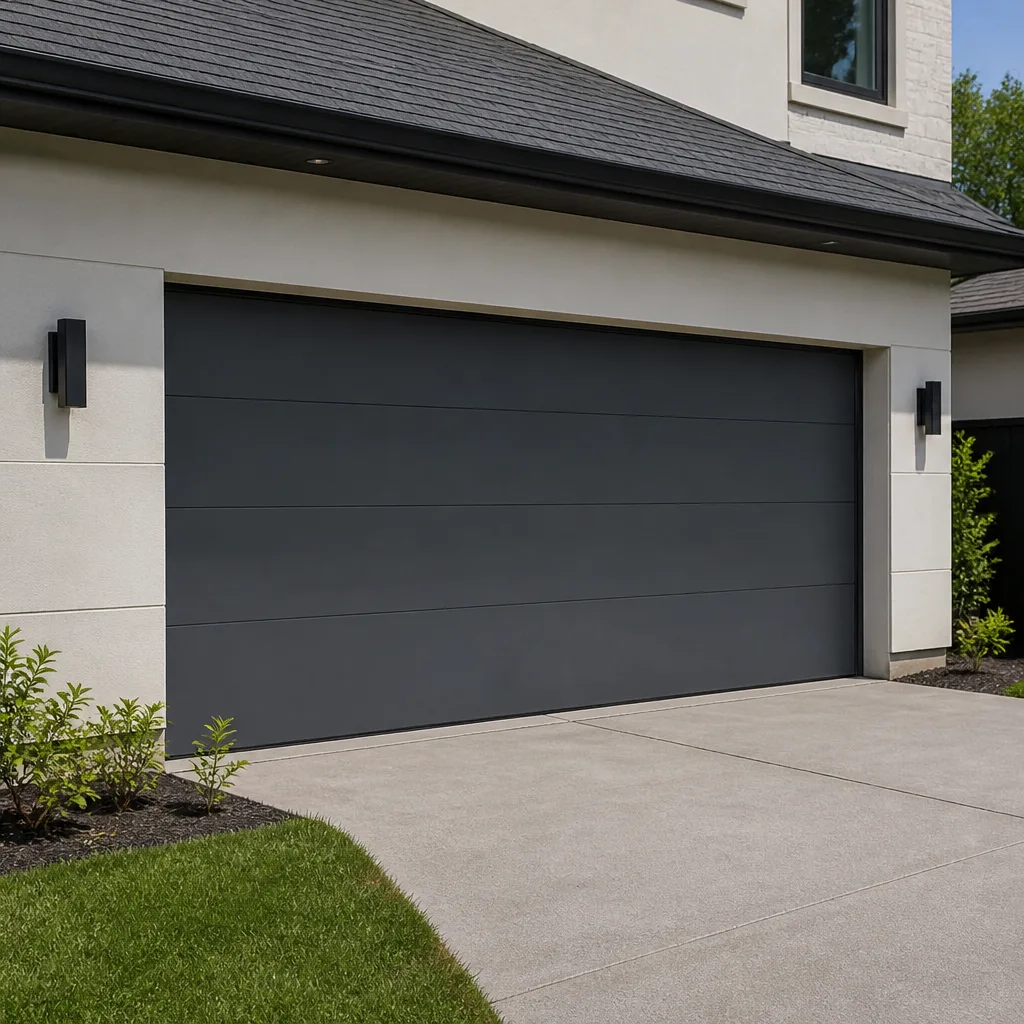 Modern flush
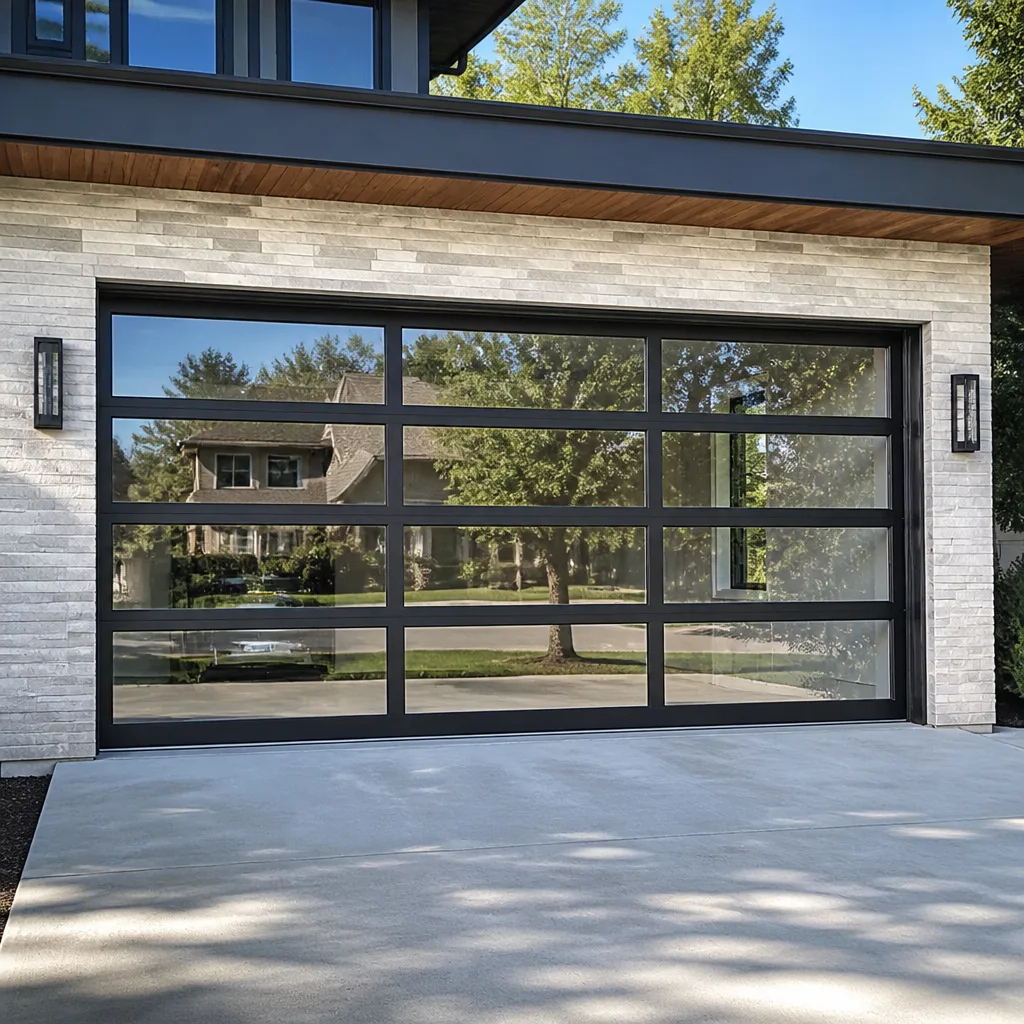 Full-view glass
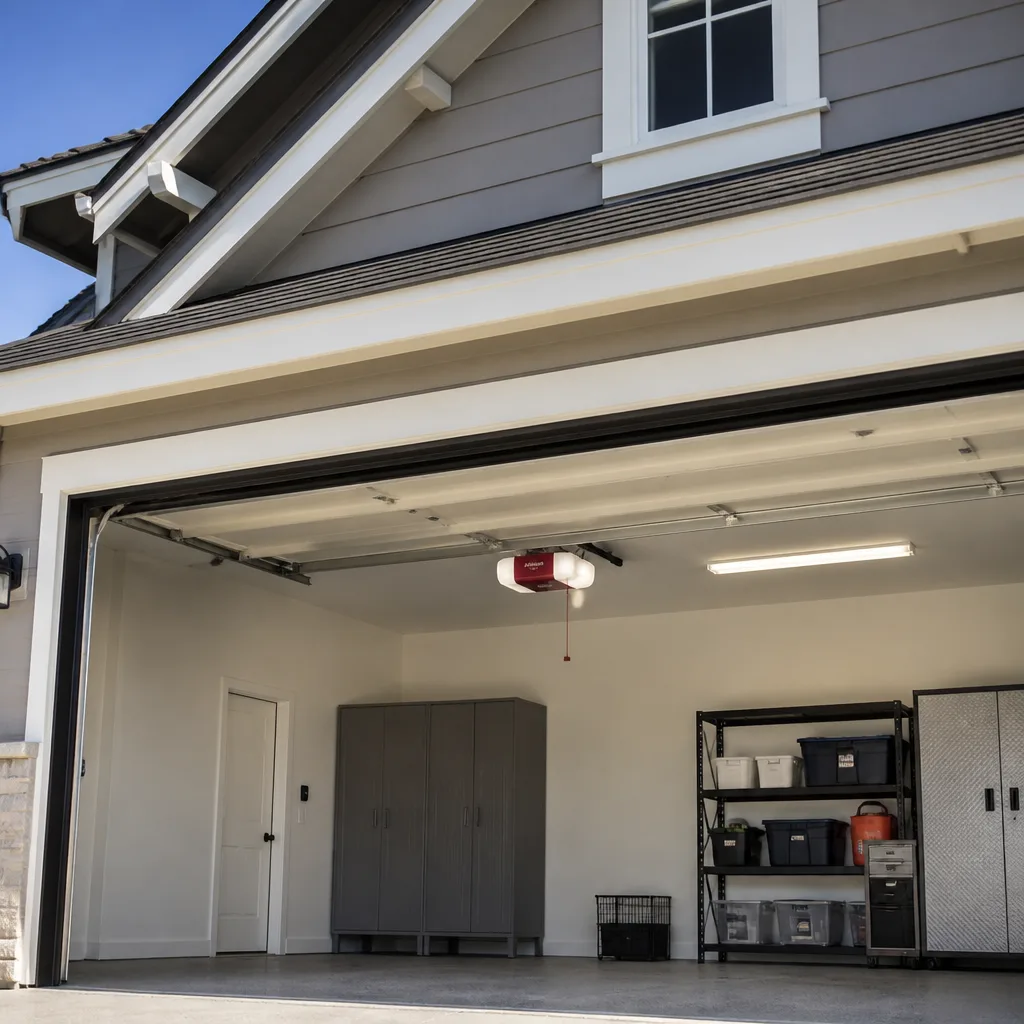 LiftMaster openers
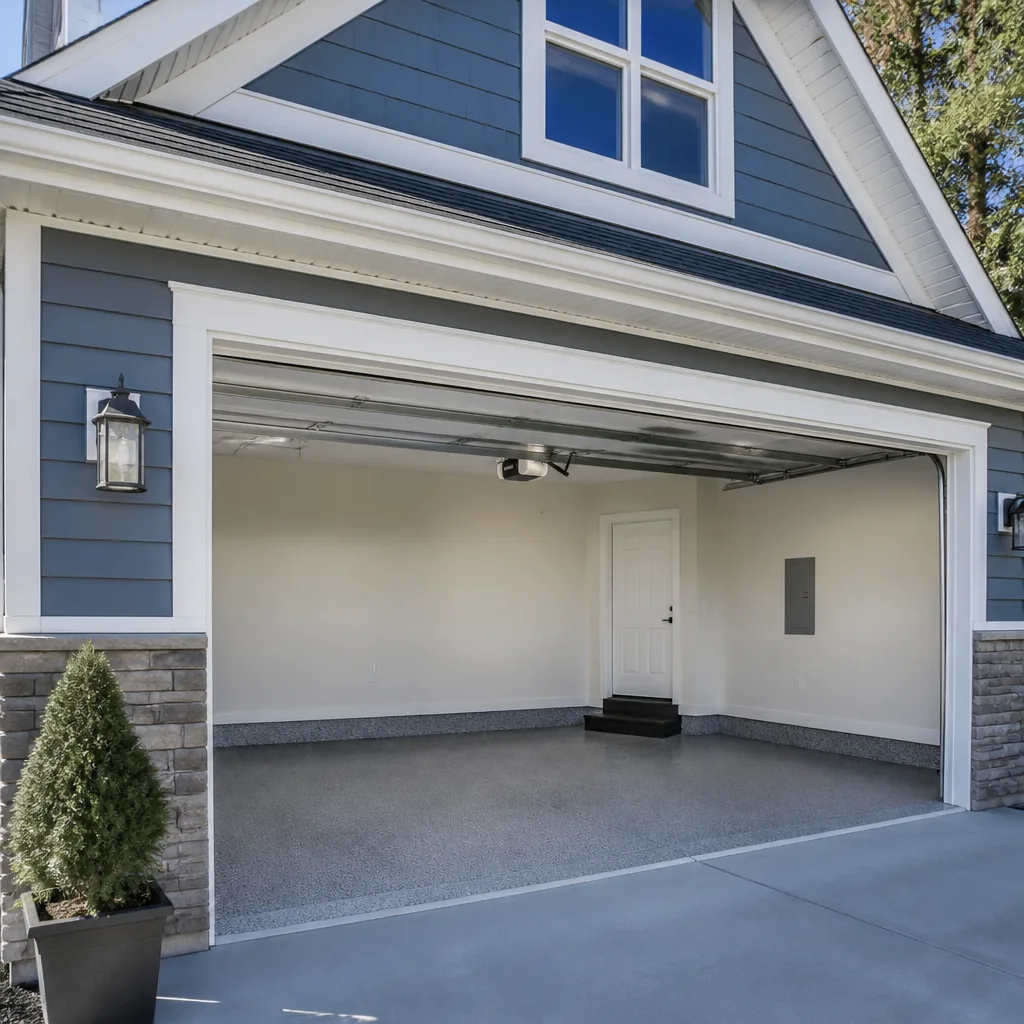 Chamberlain openers
Full 25-point door and opener safety check with every visit - springs, cables, rollers, tracks, and your LiftMaster or Chamberlain opener included
You get a price before we start. It does not change when the pro arrives.
Get your free estimateSeasonal Garage Door Care for Lynn: Year-Round Homeowner’s Guide
Most garage door advice you’ll find is written for a generic New England climate, and that’s the problem. A door in Lynn works harder than a door twenty miles inland. Nor’easters don’t just dump snow here – they push salt air and driven moisture onto springs, tracks, and cables that lingers for days after the storm clears, and that accelerates corrosion in a way inland homeowners rarely see. This guide sets out a month-by-month care rhythm built around Lynn’s actual seasons, so you can keep your door quiet, aligned, and safe all year. You’ll learn what to check, when to check it, and which jobs belong in the hands of a trained technician.
Styles & brands we work with
- Raised-panel steel
- Carriage house
- Modern flush
- Full-view glass
- LiftMaster openers
- Chamberlain openers
Quick Answer
A garage door in Lynn needs a full inspection and lubrication in late fall before the first freeze, a spring and seal check in early spring after winter, a humidity and opener-sensitivity review in mid-summer, and a storm-hardening pass in early fall. Small homeowner checks – balance, weather seal condition, and visual spring inspection – can be done monthly. Spring replacement, cable work, and opener repairs should always go to a trained professional.
Table of Contents
- Why Lynn Doors Age Differently
- Pre-Winter Prep: Sealing, Lubricating, and Tightening
- Why Doors Stick and Slow in January in Lynn
- Spring Inspection Priorities After a Lynn Winter
- Summer Humidity, Wood Panels, and Opener Sensitivity
- Fall Tasks Timed Around Lynn’s Storm Season
- A Simple Monthly Check Any Homeowner Can Do
- Common Mistakes to Avoid
- When to Call a Professional
- Frequently Asked Questions
- The Bottom Line
Why Lynn Doors Age Differently
Lynn sits in a spot where the weather does the door no favors. The city’s proximity to the coast means nor’easters carry fine salt and moisture inland with the wind, and that film settles on whatever metal is exposed: torsion springs, hinges, rollers, and the cables that run along the vertical tracks. Steel doesn’t need to be wet to corrode. Salt particles sitting on bare metal draw moisture out of the air, and the corrosion process keeps working on dry days too. That’s the difference between a door in Lynn and a door in a town well away from the water.
The other local factor is the freeze-thaw cycle. Lynn gets cold enough to freeze hard in deep winter, but the weather swings. A stretch of days in the 30s softens snow at the door’s base, then a cold snap refreezes it into a block. That block puts pressure on the bottom weather seal and the threshold, and repeated freeze-thaw cycles wear the seal out faster than steady cold ever would.
Sheltered neighborhoods make it worse. A door that faces a shaded alley or sits under a tree canopy stays damp longer after a storm, so you get more corrosion than a door in full sun a few streets over. The direction your door faces matters as much as the town you live in.
None of that means you need to replace the door. It means the seasonal care schedule needs to account for these patterns, not a generic one. Most garage doors we see in Lynn respond well to regular maintenance and a repair-first approach. If your system is a Clopay, Amarr, Wayne Dalton, or Genie, the brand doesn’t change the climate. The maintenance rhythm does.
Pre-Winter Prep: Sealing, Lubricating, and Tightening
The single most useful thing you can do for a Lynn garage door is a thorough pre-winter pass in late October or early November, before the first hard freeze locks everything in place. Cold makes steel brittle and rubber stiff, and a door that goes into winter dry, loose, or misaligned will find a way to tell you about it in January. Here’s the order we work in.
- Clean the tracks and rollers. Salt film and road grit build up on the vertical tracks through the year. Wipe them down with a damp cloth and dry thoroughly. Never use a heavy grease on the tracks themselves; it traps grit and turns into an abrasive paste by February.
- Lubricate springs, hinges, and rollers. A light spray lubricant on the torsion spring coils, hinge pivots, and roller bearings cuts friction and displaces moisture. Do this before the freeze, when the door is still moving freely.
- Inspect the bottom weather seal. Run your hand along the bottom edge where the rubber meets the floor. Cracks, splits, or a seal that’s pulled away from the retainer are all signs it won’t hold through a Lynn winter. A worn seal lets cold air, snow, and meltwater in at the exact spot where freeze-thaw damage starts.
- Tighten loose hardware. Bolts on the hinges, the roller brackets, and the track brackets work loose with every cycle. Tighten them by hand with the right wrench – overtightening strips the holes.
- Check the balance. Disconnect the opener, lift the door halfway, and let go. A balanced door stays put. A door that drifts down on its own is telling you the springs are losing tension, and that problem gets worse in cold weather.
If anything in that list turns up a worn spring or a frayed cable, don’t put it off until spring. Cold-weather failures are harder to deal with than warm-weather fixes, and a broken spring leaves the door stuck in place. Our garage door repair team can look at the balance and hardware and tell you what’s worth addressing before the season turns. If you’d rather have a trained eye look it over, that’s what a free estimate is for.
Why Doors Stick and Slow in January in Lynn
When a garage door starts moving slowly or sticking in January, the culprit usually isn’t the door itself – it’s the combined effect of cold on three separate parts. Understanding what’s actually happening makes it easier to know whether it’s a maintenance issue or a repair.
First, torsion springs. Every spring has a rated working temperature range, and once you drop below freezing, steel gets stiffer. The spring has to work harder to lift the same weight, and it stores less energy per turn. A spring that’s already near the end of its life will feel noticeably sluggish in the cold, and a door that’s been perfectly balanced in October can start to feel heavy in January.
Second, the weather seal. Rubber seals stiffen in the cold. A door that sealed tightly against the floor in fall will drag on the bottom seal in winter, especially if meltwater has refrozen under the door overnight. That drag puts extra load on the opener and makes the door feel like it’s fighting something on the way down.
Third, the tracks. Any moisture that collects in the vertical tracks freezes overnight and expands. A small amount of ice in the track can throw the door out of alignment on the way up.
What can you safely check yourself in January? The balance test and the seal condition. Look for ice or debris in the tracks and clear it. What you should not do is adjust the springs or try to relieve the tension to make the door easier to lift. Torsion springs and the cables under them store enough energy to cause serious injury, and adjusting them requires the right winding bars and training. A trained professional should handle anything involving spring tension. If your door is dragging, slowing, or refusing to move, call (888) 902-1938. We answer 24/7, with fast dispatch from 7am to 7pm.
Spring Inspection Priorities After a Lynn Winter
Spring is the inspection season in Lynn, and the priority list is different from the fall list. By March or April, the door has been through months of freeze-thaw cycles, salt film from the winter’s storms, and hundreds of heating cycles from the opener. This is the time to check the parts that take the most stress, and to catch corrosion before it causes a failure.
- Inspect the bottom seal closely. A Lynn winter is hard on the bottom seal because of the freeze-thaw pattern. Look for tears, flattening, and spots where the seal has pulled away from the door’s bottom edge. A seal that’s compromised lets water in during spring rain and lets pests in through the summer.
- Look at the springs for corrosion. The salt film a nor’easter leaves on the springs is the season’s slow damage. Look for reddish-brown discoloration, pitting on the coils, or a spring that’s started to sag. Corrosion is the leading cause of spring failure, and spotting it early lets you plan the replacement instead of dealing with a broken spring at an inconvenient time.
- Check the cables for fraying. Run a gloved hand along the cables and look for broken strands, kinks, or rust. Cables are under high tension, so a frayed cable is a safety issue – don’t try to tighten or replace it yourself.
- Recheck the balance. A door that was balanced in October may no longer be balanced in April. The balance test from the fall is worth doing again.
- Look at the door’s hinges and rollers for salt film. Clean and re-lubricate anything that shows corrosion.
If you’re not sure what you’re looking at, our Lynn technicians can do a spring and seal inspection and give you a straight answer about which parts have life left and which should be replaced. The recommendation starts with your existing system, not a push for a new door.
Summer Humidity, Wood Panels, and Opener Sensitivity
Summer brings a different set of pressures to Lynn garage doors. Humidity is the biggest one. Older wood-panel doors absorb moisture through the summer, and that can cause the panels to swell, warp, or pull away from the frame. A wood door that’s been refinished but never sealed on the bottom and side edges is especially vulnerable – that’s where moisture gets in and where the swelling shows up first. If you have a wood door, inspect the panels and the bottom edge in early summer and touch up any finish that’s failed.
The bigger summer surprise for most homeowners is the opener. Opener sensitivity settings are set to work within a specific range of force, and the door’s weight and friction change with the season. When the wood door swells, or when the bottom seal goes hard in the heat, the force the opener needs to move the door goes up. A system that’s been running fine all spring can start to reverse on contact with the floor, or refuse to close at all, because the opener’s sensitivity is misreading the extra resistance as an obstruction. That’s a safety feature working as designed – but it’s telling you something changed.
Here’s what to check in summer:
- Wood panels for swelling, warping, or bubbling paint. Sand and re-seal small spots before they spread.
- Opener sensitivity and force settings. The opener manual explains how to check them, and it’s worth confirming the settings match the door’s current condition.
- Remote and wall control batteries. A remote that’s fading isn’t usually a broken opener; it’s a battery.
- Smart opener connectivity. Wi-Fi-enabled openers from LiftMaster or Chamberlain can drop their connection after a router update or power blip. Reconnecting is usually a simple reset.
If the opener still misbehaves after you’ve ruled out the simple causes, that’s the moment to look at garage door opener repair. Older openers with legacy wiring, along with smart openers with connectivity problems, are both part of what we work on. Whether it’s a Genie with a failing circuit board or a LiftMaster that won’t hold its settings, the fix starts with a proper diagnosis.
Fall Tasks Timed Around Lynn’s Storm Season
Fall in Lynn is a short window between the end of summer humidity and the first real storms. The smart approach is to use that window for the tasks that make the most difference in a nor’easter, and to do them before the weather turns. A generic autumn checklist doesn’t help here; the timing matters more than the list.
Here’s the sequence we recommend for a Lynn door from late September through early November:
- Clear the door’s path. Before storm season, make sure the rails and the ground around the door are free of leaves, debris, and anything else that can block the door’s travel when the wind picks up.
- Check the bottom seal and threshold. This is the same check as pre-winter, but fall is when the seal starts to show the season’s strain. Replace a worn seal before the storms hit, not after.
- Lubricate everything again. A light application on the springs, hinges, and rollers going into fall serves double duty: it cuts friction and it puts a protective film on the metal that slows salt corrosion through the winter.
- Test the opener’s safety reverse. Place a piece of wood on the floor in the door’s path and close the door. The opener should reverse on contact. If it doesn’t, that’s a safety setting that needs professional attention.
- Inspect for water intrusion. Look at the framing around the door and any weatherstripping on the sides and top. Gaps let wind-driven rain in during a nor’easter, and that water ends up on the hardware and the floor of the garage.
A note on timing: don’t wait for the first forecast to suggest a storm. The tasks above take an afternoon, and doing them a few weeks early is better than doing them the day before a nor’easter. If you’d rather not handle the checks yourself, our team at Lynn Garage Door Service can do a pre-winter inspection and tell you what needs attention.
A Simple Monthly Check Any Homeowner Can Do
Seasonal care is only half the story. A quick monthly check catches small problems before they become repairs, and it takes less than ten minutes. None of these tasks involves touching a spring or a cable, so they’re safe for any homeowner.
- Open and close the door and listen. A well-adjusted door runs quiet and smooth. New grinding, squeaking, or popping sounds are early warnings.
- Run the balance test. Disconnect the opener, raise the door halfway, and let go. It should hold its position. If it drifts, the springs are telling you something.
- Look at the bottom seal. A quick visual check for tears, flattening, or gaps between the seal and the floor.
- Wipe down the tracks. A dry cloth is enough. Check for grit, debris, or ice depending on the season.
- Check the opener’s safety reverse. The wood-block test from the fall list is worth repeating once a month.
- Look at the door’s hardware. Bolts, hinges, and roller brackets should all be tight. Springs and cables should show no rust or fraying – look, but don’t touch.
If anything in the monthly check fails, note it and get it looked at before it becomes a bigger job. The pattern of small issues is often what tells a trained technician whether a component is near the end of its life.
Common Mistakes to Avoid
- Greasing the tracks. Some homeowners think a heavy grease will make the door run quietly. It does the opposite over time – it collects grit and salt film into an abrasive paste that wears the rollers faster.
- Adjusting the springs yourself. Torsion springs are under enormous stored tension. The springs and cables should be handled by a trained technician, and the risk of injury from a DIY attempt is real. If the door feels heavy or slow, call for help.
- Ignoring the bottom seal until spring. In Lynn, a worn bottom seal lets freeze-thaw meltwater into the garage all winter. That’s a repair that was cheaper and easier to do in October.
- Assuming a slow door means a new opener. A slow or sticking door is often a balance issue or a worn seal, not a failing motor. Diagnosis before replacement keeps the cost down and the system you already have in place.
- Putting off the pre-winter lubrication. A dry, corroding spring going into winter is a spring that fails sooner. The salt film on Lynn hardware is the reason this matters more here than in a town with milder winters.
- Buying a random door brand without matching the opener. The opener and the door work as a system. A door that’s heavier than the opener’s rating will strain the motor and shorten its life.
- Skipping the annual professional check. A trained technician sees things homeowners don’t – spring wear patterns, cable strand damage, and early corrosion. Those warnings are what let you plan a repair instead of reacting to a failure.
When to Call a Professional
Some jobs are homeowner tasks and some are not, and the line matters for safety. Call a professional when the door is out of balance, when the opener reverses for no reason or refuses to close, when you see a frayed cable or a rusted or sagging spring, when the bottom seal has torn badly enough that it needs replacement, or when any part of the hardware feels loose in a way tightening didn’t fix. The same goes for a door that’s been hit or damaged and won’t run on its tracks anymore. Spring and cable work is always in the professional category – the stored energy in those parts is dangerous.
Lynn Garage Door Service offers free estimates in Lynn – call (888) 902-1938. Please note that the price is always quoted and agreed before any work starts, so there’s no surprise when the invoice arrives. We answer 24/7, with fast dispatch from 7am to 7pm, Sunday through Friday.
Frequently Asked Questions
Once a year is the baseline for most Lynn homes, ideally in late fall before winter sets in. Doors on older wood systems, or homes that face the wind-driven weather from the coast, benefit from a second check in spring. Between professional visits, a monthly homeowner check catches most small issues early.
Cold weather stiffens the springs and hardens the weather seal, and ice in the tracks adds drag. The opener has to work harder to move the same door. If the door is also out of balance, the extra load shows up as slow movement. It’s worth having a technician check the balance and the seals before it becomes a bigger problem.
Yes. Nor’easters carry fine salt particles inland with the wind, and those particles settle on exposed metal like springs, cables, and hinges. Salt draws moisture out of the air, so corrosion keeps working even on dry days. Keeping the hardware lubricated is the simplest way to slow it down.
The sensitivity and force settings are usually explained in the opener manual, so checking and adjusting them is within reach for most homeowners. If the door still reverses or fails to close after adjustment, the problem is likely mechanical and should be looked at by a technician. Opener repair and diagnosis cover both smart openers and older legacy systems.
A single spring replacement typically runs $180 to $340 in this area, and a matched pair is usually replaced together, so budget for about twice that for a pair. The price depends on the spring type and the door. Every job is quoted and agreed before any work starts. Call (888) 902-1938 for an exact quote – estimates are free.
Not usually. Sticking, slow movement, or a door that won’t close is typically a balance or hardware issue, and diagnosis comes before any recommendation to replace. A repair-first approach on the system you already have is almost always the cheaper path.
The Bottom Line
Seasonal care for a Lynn garage door comes down to four checkpoints: a late-fall pass before the freeze, a spring inspection after winter, a summer check on humidity and opener sensitivity, and a fall storm-hardening round timed to nor’easter season. Between those, a quick monthly check catches the small stuff. The salt air and freeze-thaw cycles that make Lynn different from inland towns don’t have to shorten your door’s life – they just mean the maintenance schedule needs to be built for this climate, not a generic one. Handle the simple checks yourself, and leave spring, cable, and opener work to a trained technician.
Call (888) 902-1938 for a free estimate. We answer 24/7. Fast dispatch from 7am to 7pm, Sunday through Friday.
Written by the team at Lynn Garage Door Service.
See the difference
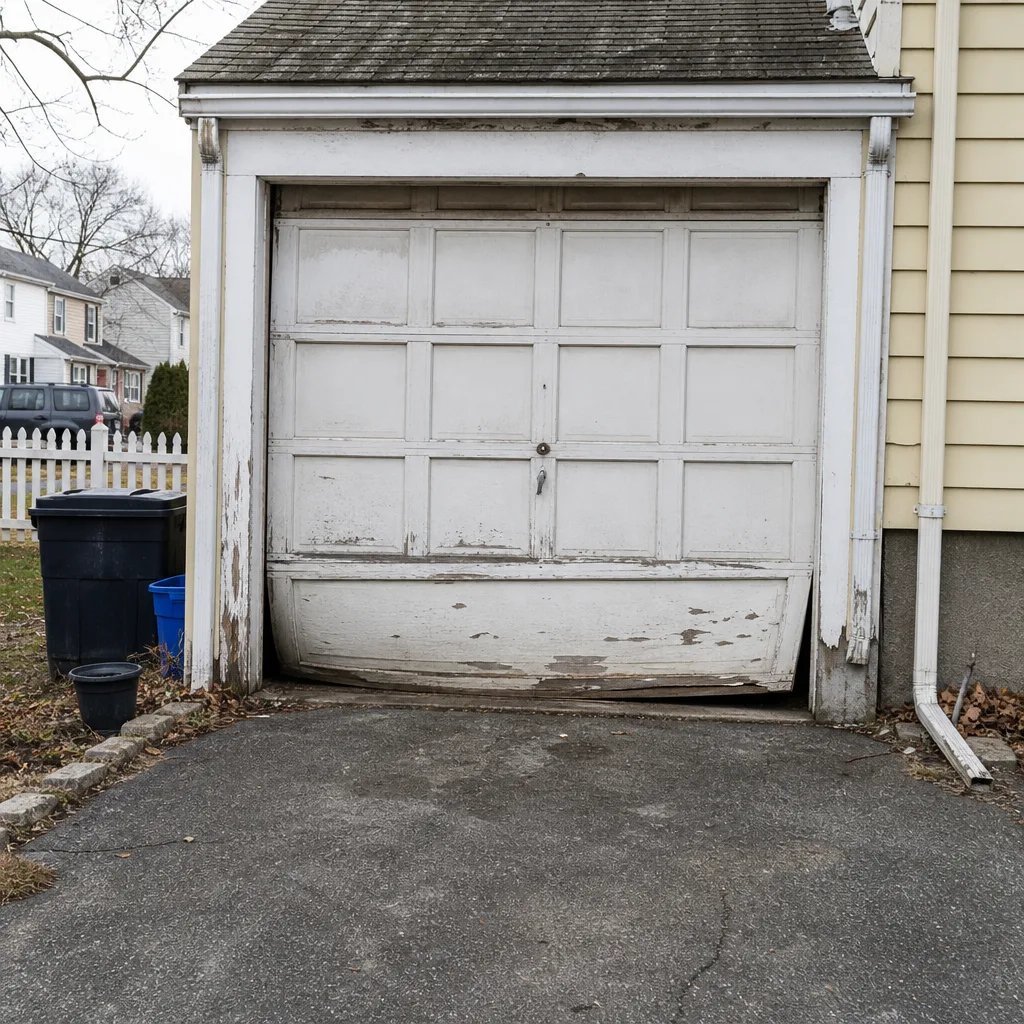 Before
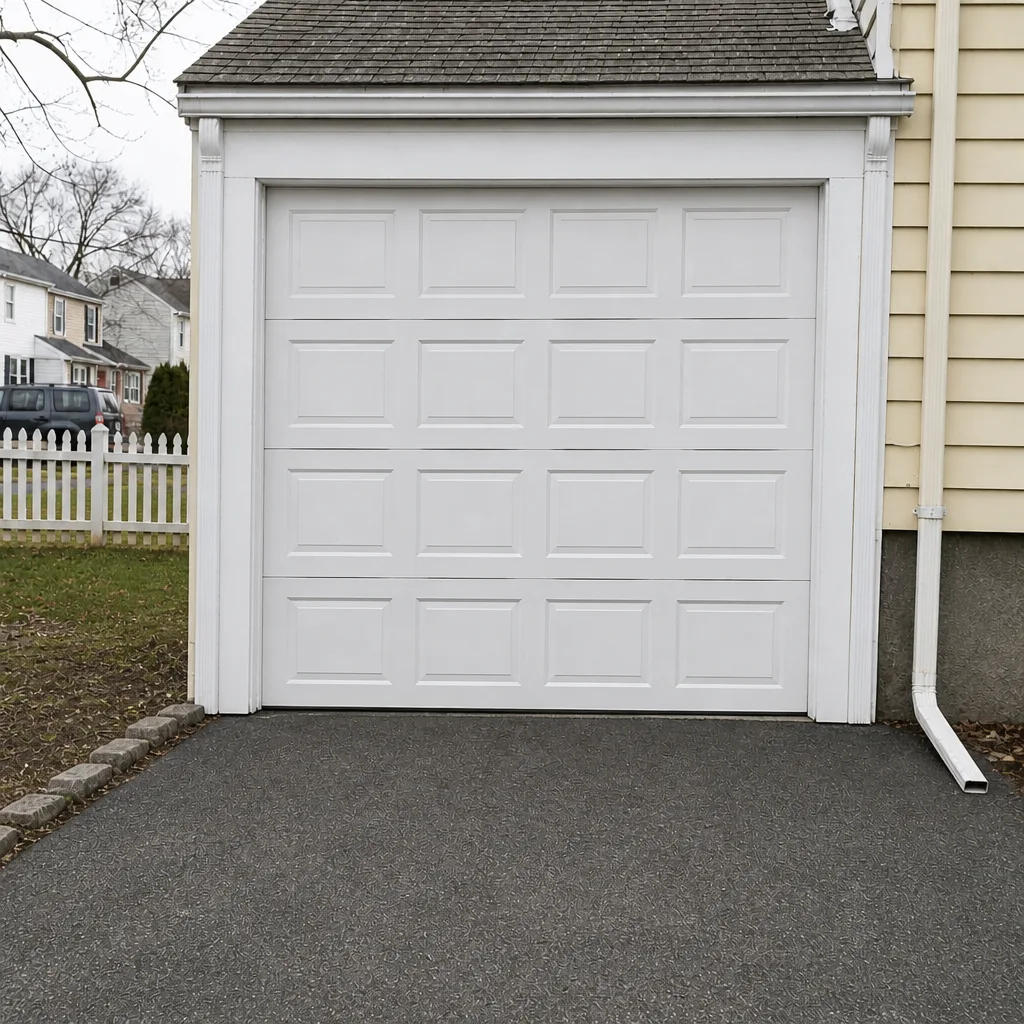 After
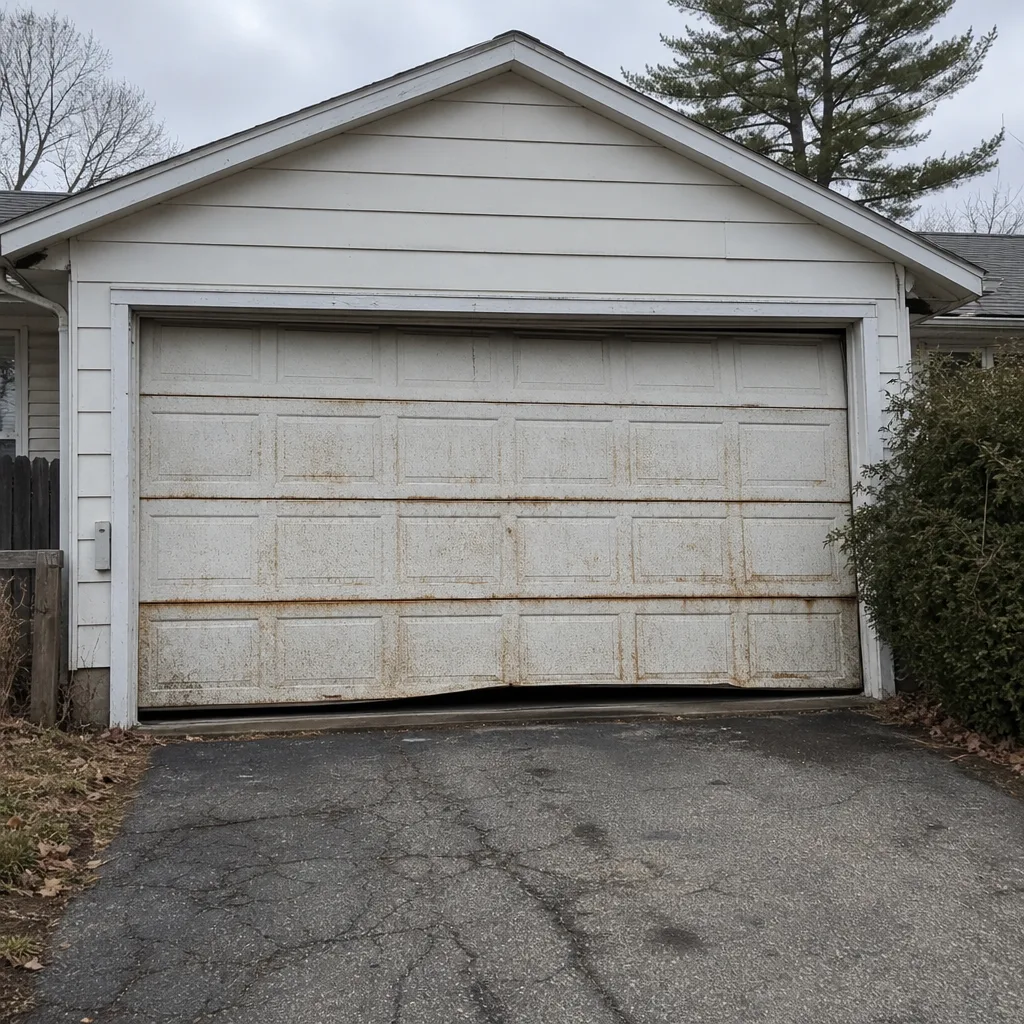 Before
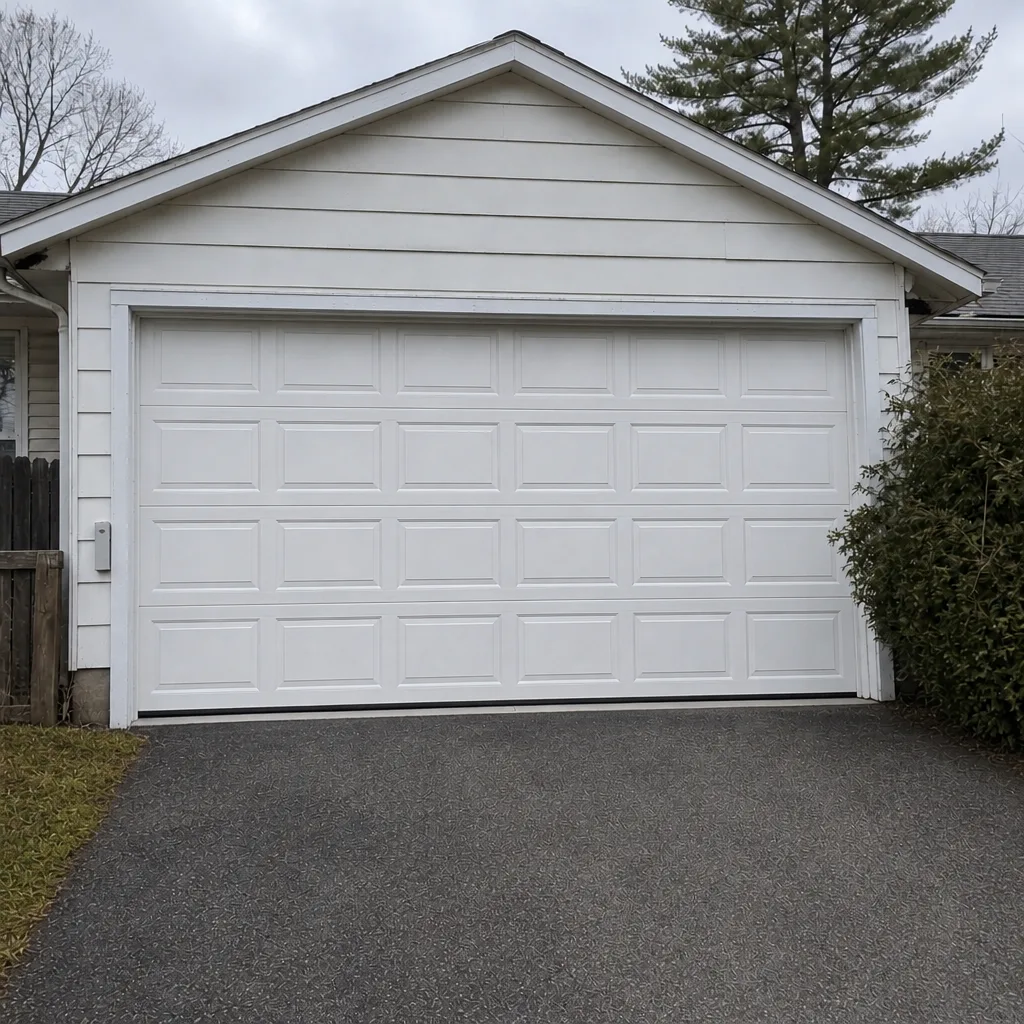 After
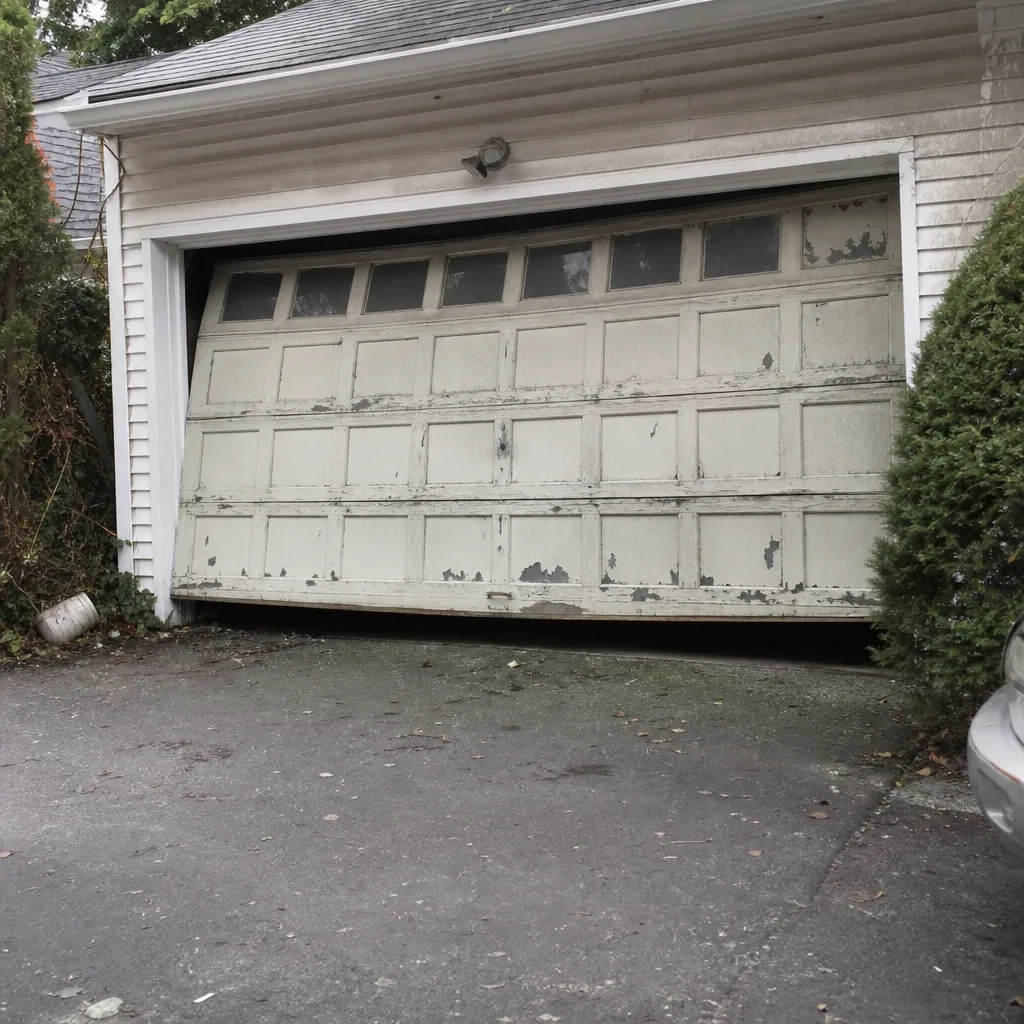 Before
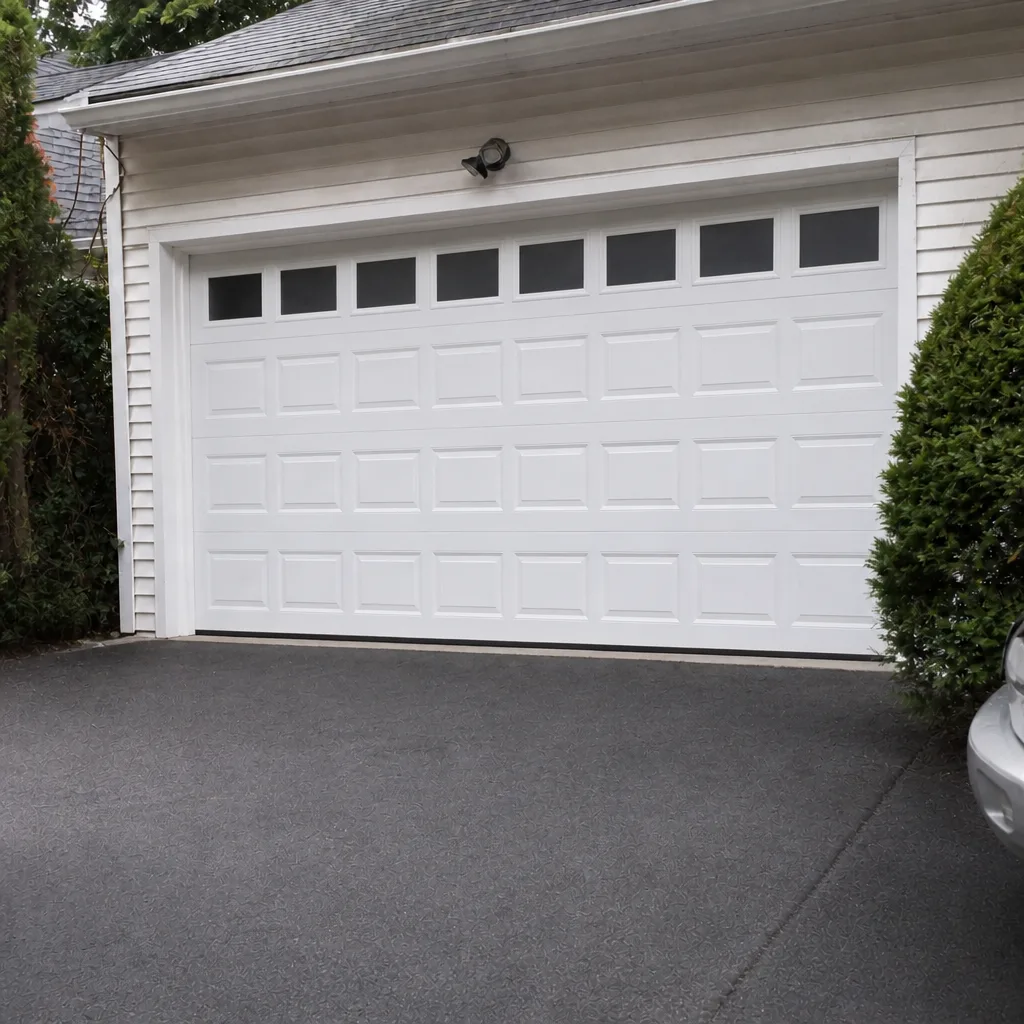 After