
Last updated November 15, 2026
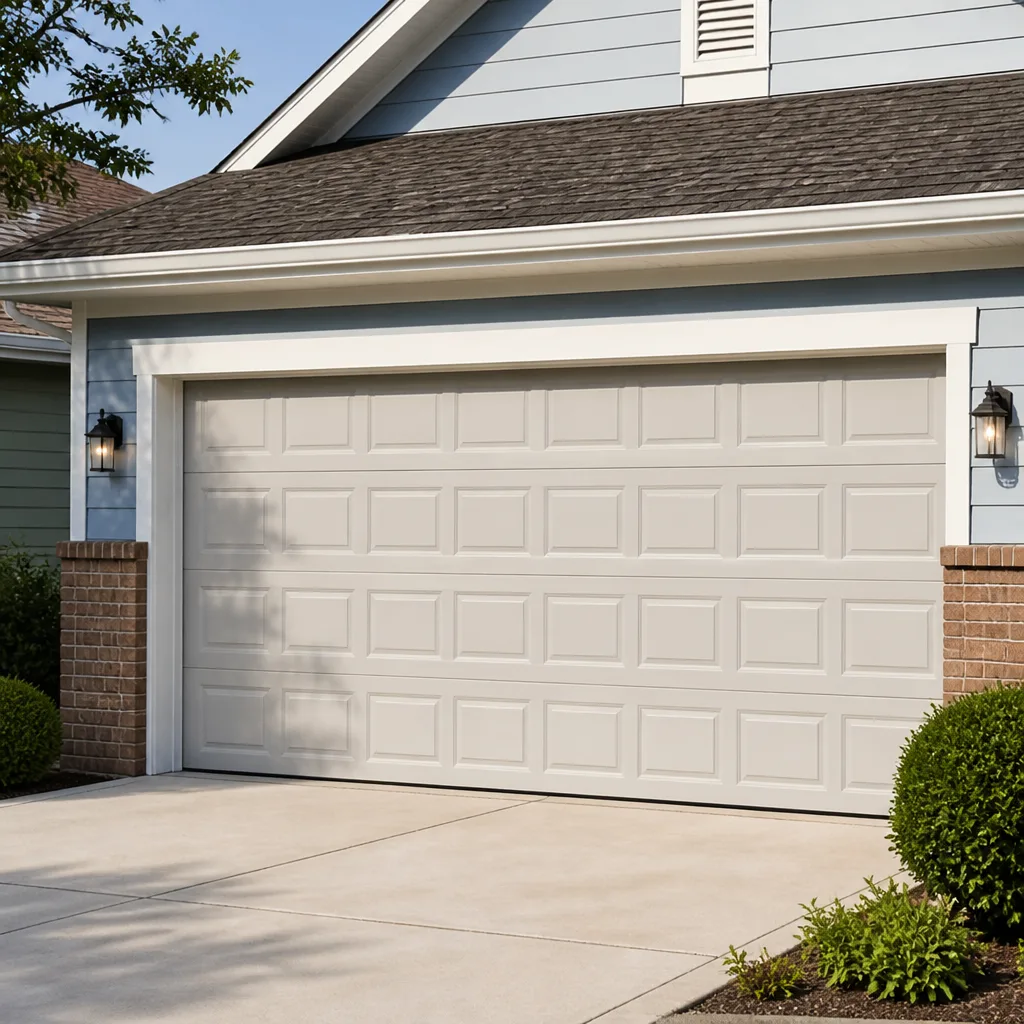 Raised-panel steel
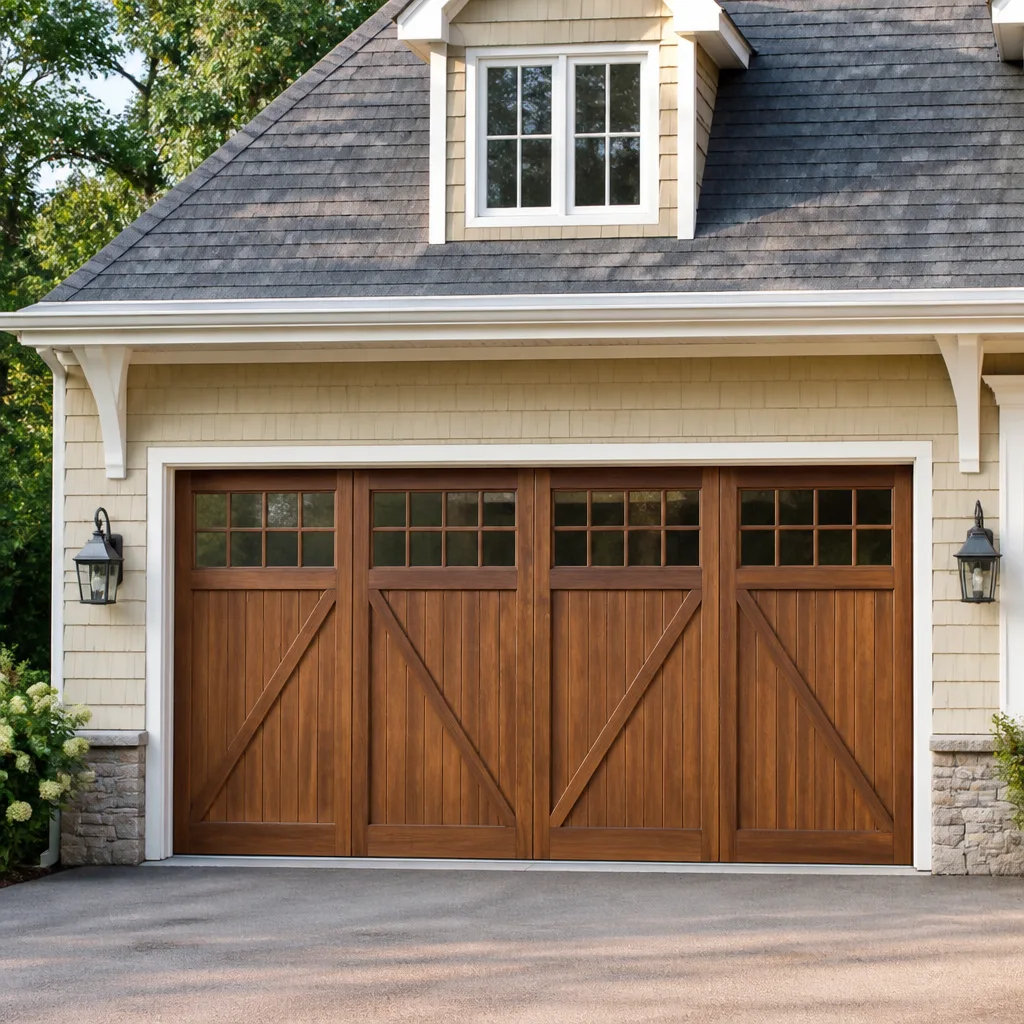 Carriage house
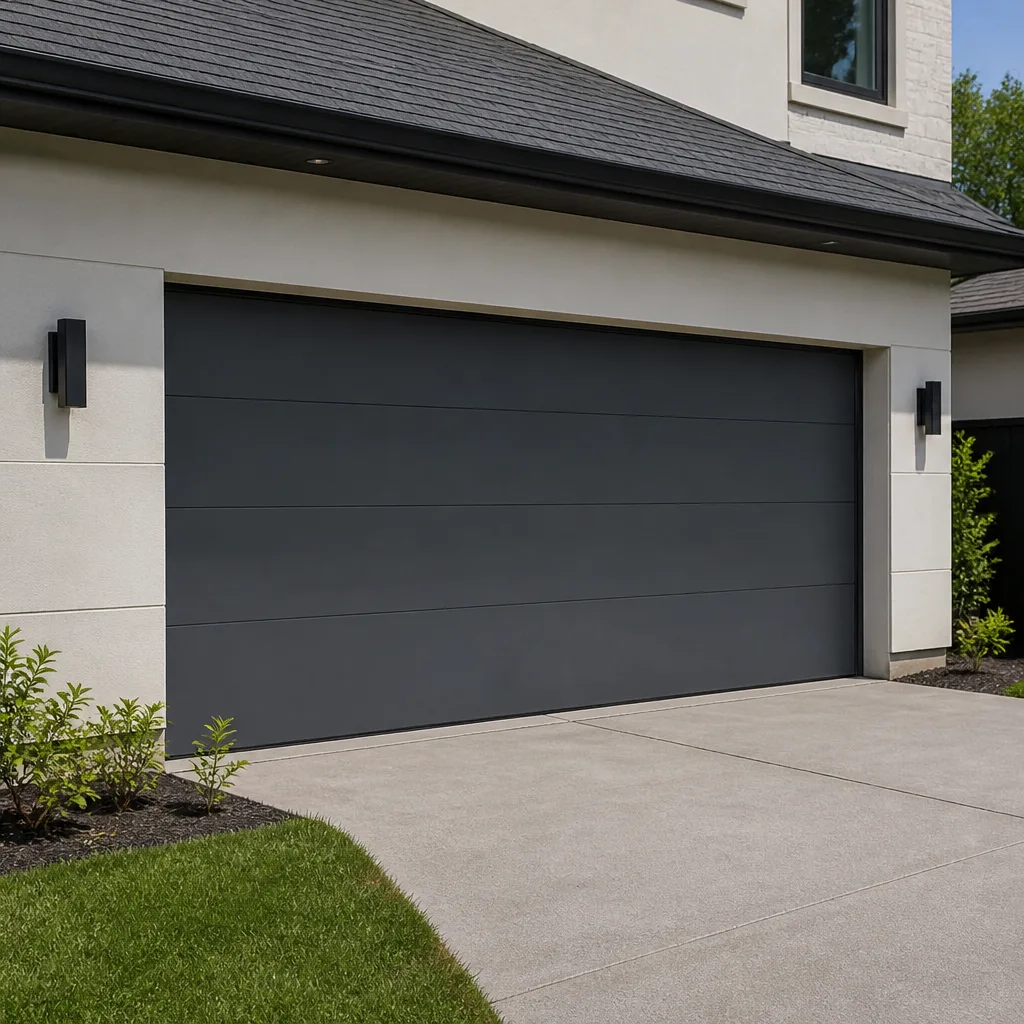 Modern flush
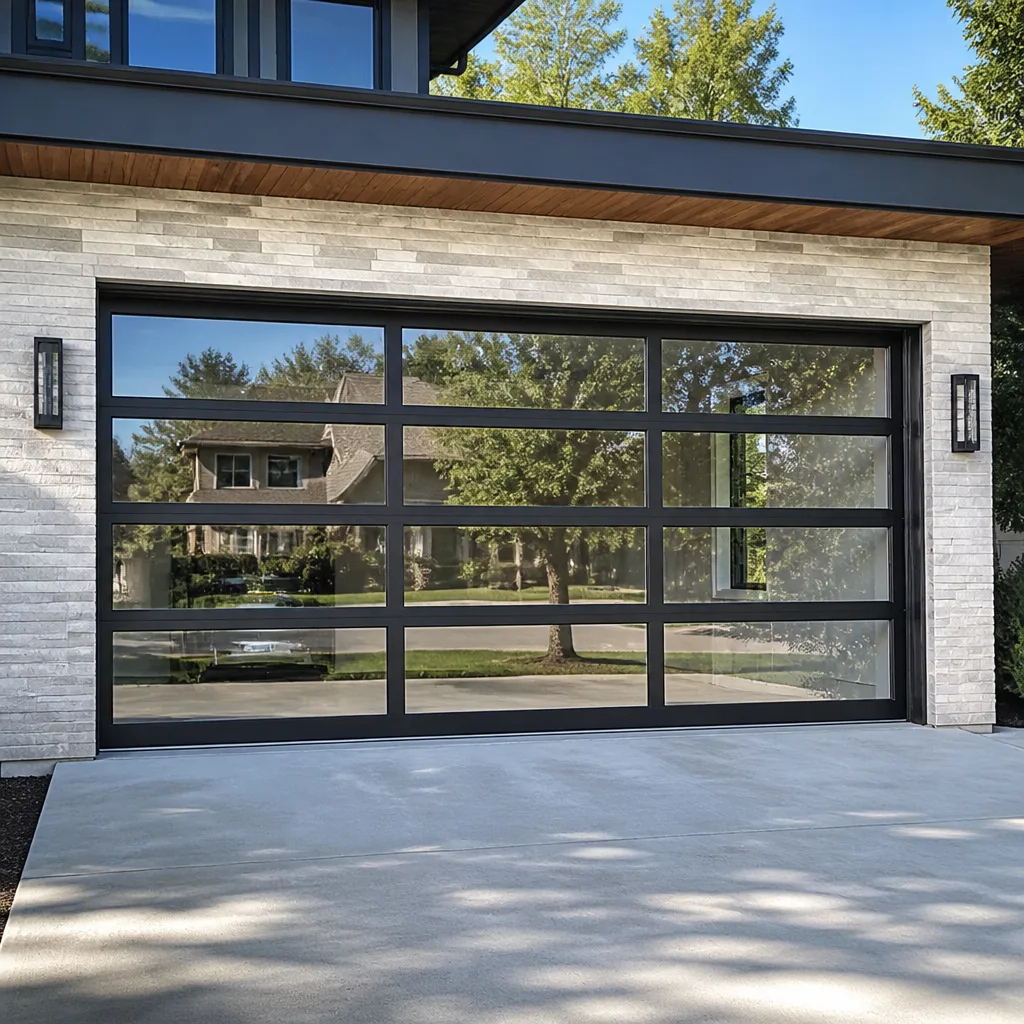 Full-view glass
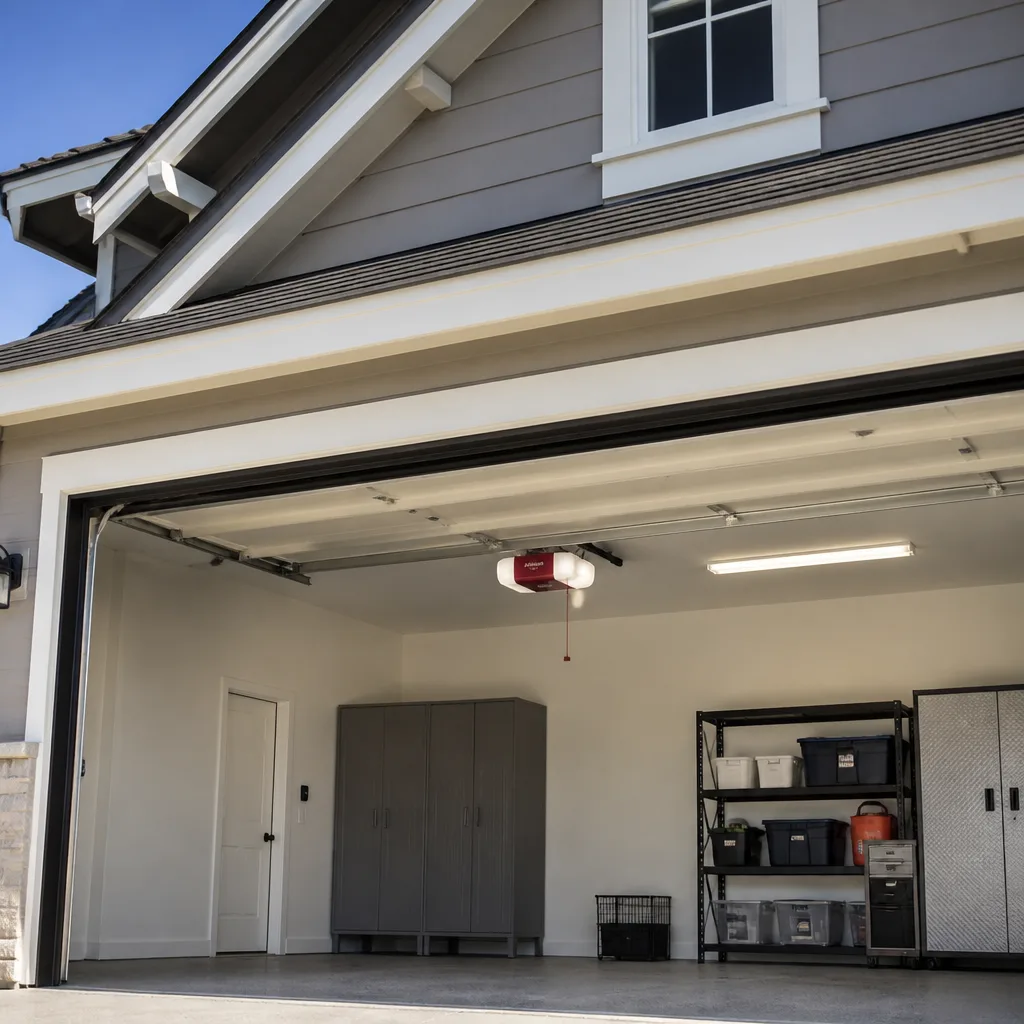 LiftMaster openers
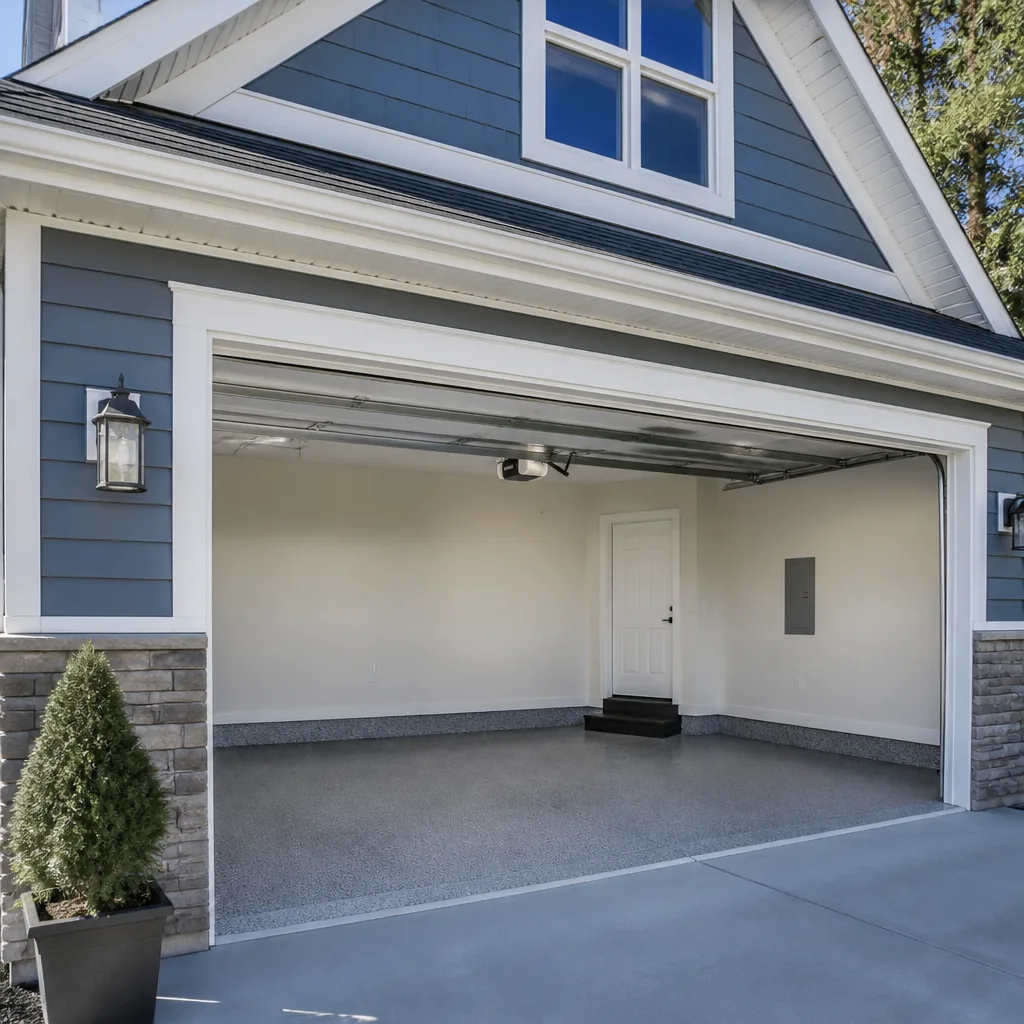 Chamberlain openers
Full 25-point door and opener safety check with every visit - springs, cables, rollers, tracks, and your LiftMaster or Chamberlain opener included
You get a price before we start. It does not change when the pro arrives.
Get your free estimateThe Complete Guide to Garage Doors in Lynn
Most of the Lynn homes we walk into were built long before the automatic garage door opener existed. That single fact explains almost everything about garage doors in this city. The framing wasn’t designed for a motor, the headroom is whatever the builder had left over, and the door hanging there now is usually the third or fourth one that frame has held. This guide maps those local realities to real decisions: how Lynn’s older housing stock shapes what fits and what doesn’t, how the weather here treats springs and hinges, and how to document your own system before you call anyone so the quote you get is accurate the first time.
Quick Answer
A garage door in Lynn is best handled by matching the door and opener to the actual framing you have, not to a showroom spec sheet. Homes built before the 1950s usually need a retrofit approach for the opener and careful measurement of headroom, side clearance, and back clearance before any door is ordered. Repair-first is almost always cheaper than replacement, and a specialist who works across multiple brands can diagnose the system you inherited instead of selling you a new one.
Styles & brands we work with
- Raised-panel steel
- Carriage house
- Modern flush
- Full-view glass
- LiftMaster openers
- Chamberlain openers
Table of Contents
- How Lynn’s Housing Stock Shapes Garage Door Decisions
- What the Local Weather Does to Springs, Cables, and Hinges
- Framing and Headroom Limits in Lynn’s Older Garages
- Why Multi-Brand Knowledge Matters Here
- Standard Specs vs. What Actually Fits a Lynn Garage
- How to Document Your System Before You Call
- What Garage Door Work Typically Costs in Lynn
- Safety: What You Should Never Adjust Yourself
How Lynn’s Housing Stock Shapes Garage Door Decisions
The housing mix in Lynn is unusually varied for a city its size. Triple-deckers dominate whole blocks, colonial revivals and cape-style homes fill in around them, and many of those homes carry attached or under-house garages that were squeezed into whatever space was left over. For garage door work, that variety is the whole story.
A triple-decker’s garage is often a tight single bay tucked under the building, with a low ceiling and a narrow opening. A cape-style garage might be wider but shorter on depth, which limits how far a door can travel back on its tracks. A colonial revival may have a two-car bay that’s genuinely generous. There’s no single “Lynn spec” we can order against. Every job starts with measuring what’s actually there.
What that means for you as a homeowner:
- Don’t assume a standard-size replacement door will fit. Measure your opening’s true width and height before you shop.
- Don’t assume a new opener will mount the same way the old one did. Older openers were often mounted by feel, not by manufacturer spec.
- Don’t assume the previous owner wired or hung the current system correctly. We’ve seen surprises in Lynn garages that would never pass today’s install standards.
- Don’t assume a “modern” door will look right on an older facade. Proportion matters in these neighborhoods as much as function.
The practical upside is that Lynn’s older garages are usually built with real lumber framing, which gives you solid anchor points for new hardware. The challenge is clearance, not structure. Once we’ve measured the frame, the door options open up considerably. If you’re deciding whether to repair what you have or install something new, the garage door repair conversation is a good place to start – often the honest answer is to fix what’s there.
What the Local Weather Does to Springs, Cables, and Hinges
Garage door hardware lives outdoors but under cover, so it experiences the full range of New England weather without the buffering a home’s interior provides. In Lynn, that means cold winters, warm humid summers, and a spring thaw that pushes moisture into every joint and crevice. The metal doesn’t stay dry for long.
Springs are the component most affected. Steel torsion springs and extension springs both cycle through expansion and contraction as temperatures swing. Moisture in the air accelerates oxidation on the coils, and oxidation is what eventually leads to fatigue and failure. A spring that’s been hanging for years will usually show surface rust long before it snaps, which is why we look at springs closely on every repair call, not just the obvious one.
Cables, hinges, and rollers face a similar pattern. Hinges are the pivot points most exposed to moisture because they sit at the joints between sections. Rollers ride in tracks that collect grit and condensation. Left alone, these parts wear faster here than they would in a drier climate, though the difference shows up over years rather than months.
What actually helps:
- Annual lubrication of hinges, rollers, and springs with a proper garage-door lubricant – not WD-40, which is a cleaner, not a lubricant.
- Visual inspection of springs for rust blooms, especially in early spring after the thaw.
- Checking that cables aren’t frayed or showing rust at the drum ends where moisture collects.
- Keeping the bottom seal intact so water doesn’t sit against the door’s lower edge.
None of this is complicated, but it’s the kind of maintenance that gets skipped. When the weather does what it does here, small habits stretch the life of the hardware considerably. Our garage door opener repair work often starts with a door that’s binding because the hardware behind it has been quietly corroding for years.
Framing and Headroom Limits in Lynn’s Older Garages
If you’re planning a new opener or door, the single most important thing to understand is headroom. That’s the vertical space between the top of your door and the ceiling, plus the horizontal space behind the door for the track to travel back. Pre-war Lynn garages were framed without either of these numbers in mind, because automatic openers didn’t exist yet.
Here’s what we check on every site before recommending anything:
- Headroom. Measured from the top of the door opening to the ceiling. Some openers need more, some need less. Choosing the wrong one wastes money or forces a rework.
- Backroom. Measured from the door opening back to the nearest obstruction. If the door can’t travel all the way back, a standard track won’t work.
- Sideroom. The horizontal space on either side of the door, which determines whether a torsion spring system or an extension spring system makes sense.
- Framing condition. Whether the wood framing around the opening is sound enough for new anchors, or has softened over the decades.
- Electrical service. Whether there’s a usable outlet near where the opener needs to mount, or whether wiring needs to be extended.
Low-headroom situations are the most common complication we run into in Lynn. The fix is usually a low-profile or side-mount opener that fits the space rather than forcing the opener to fit a spec that isn’t there. It’s a question of choosing the right hardware for the geometry, not forcing a “standard” install. When we talk about Lynn garage doors, the concrete answer is that clearance measurement comes before any product recommendation.
Why Multi-Brand Knowledge Matters Here
Most Lynn homeowners didn’t choose their garage door. They inherited it. A previous owner installed a LiftMaster opener, or the builder hung a Chamberlain, or the door that’s been there for years is a Raynor that’s still going strong. When something breaks, the homeowner often doesn’t know what brand they own, let alone which service professional handles it.
That’s the practical case for working with a specialist who’s fluent across multiple brands instead of a single-brand dealer. A dealer will only recommend their line, which means a repair that could have been done on a Genie might get pushed toward a full replacement. A generalist handyman might attempt the same fix without the manufacturer-specific parts or torque specs.
We work on the door you already have. That approach shows up across the systems we handle, including:
- LiftMaster and Chamberlain openers, which share a lot of engineering DNA but have model-specific programming quirks.
- Genie openers, especially the older belt and chain drive systems still common in Lynn.
- Raynor doors and hardware, where the safety features and spring types follow their own logic.
The alternative is driving yourself to a brand-specific dealer who will recommend that brand, or calling a handyman who’ll take a guess. Neither respects your time or your budget. Diagnosis before replacement is the honest path, and it’s easier when the technician has seen the same brands in the same housing stock hundreds of times.
Standard Specs vs. What Actually Fits a Lynn Garage
New garage doors are ordered against a spec sheet. The sheet assumes a “standard” 7-foot or 8-foot opening with clean, square framing and adequate clearance. Lynn garages often don’t cooperate with that assumption.
Here’s the realistic difference:
- Door height: A standard 7-foot door fits most cape-style garages. A triple-decker or older attached garage often has a 6-foot-6 or 6-foot-8 opening, which requires a custom or trimmed door.
- Door width: Standard single is 8 or 9 feet, standard double is 16 feet. Older Lynn openings don’t always land on those numbers cleanly.
- Spring system: Standard torsion is the modern default, but older Lynn doors still run extension springs. The choice affects the door’s balance and the hardware it needs.
- Panel style: A raised-panel colonial style suits a colonial revival home. A flat, flush-panel door is often the better fit on a triple-decker where the garage is tucked under the building.
- Insulation: A standard non-insulated door is fine for an unheated garage. Insulated doors make sense when the garage shares a wall with living space, which is common in Lynn homes with attached or under-house garages.
None of these differences are unusual. They’re just the difference between shopping from a catalog and ordering against your actual opening. That’s also why we measure in person before quoting an install, rather than estimating from a photo. A custom door ordered wrong is a headache for everyone, and it’s avoidable.
How to Document Your System Before You Call
You’ll get a more accurate quote the first time if you can tell us what you actually have. You don’t need to be an expert. You need five things written down or photographed, and it takes ten minutes.
- Door make and model. Look on the inside face of the door for a sticker or engraved plate. If you can’t find it, photograph the exterior panel pattern and any hardware markings. Brand is often identifiable from the panel style and hinge design.
- Opener make and model. Look on the motor housing, usually on the back or side. LiftMaster and Chamberlain models are clearly marked. Genie units often have the label on the ceiling-mounted body itself.
- Spring type and location. Torsion springs sit horizontally above the door on a metal shaft. Extension springs run along the tracks on either side. Note which one you have and roughly how many springs.
- Track style. Standard horizontal track that runs all the way back, or low-headroom track that hugs the ceiling. This alone tells us a lot about the framing.
- Opener side and mounting. Whether the opener motor hangs from the ceiling or mounts on the side of the door’s torsion bar.
Bring these notes (or your phone photos) to the conversation. It lets us pre-check compatibility and often lets us quote more precisely the first time. If you can’t find all five, that’s fine. We’ll do the measurement on site. But anything you can supply shortens the process and gets you closer to a real number before we arrive.
What Garage Door Work Typically Costs in Lynn
Cost in Lynn follows the general pattern for New England, with some local variation driven by older housing stock and the clearance work that sometimes needs doing. The ranges below are typical for the work described. Every job is quoted in writing before any work starts, and the written estimate is the price. A price quoted for one spring covers one spring; a matched pair is usually replaced together, so a pair costs about twice that.
- Single torsion spring replacement: typically $180 to $340, depending on spring size and whether the hardware needs refreshing at the same time.
- Matched pair of torsion springs: roughly double a single-spring job, since both springs are replaced together.
- Extension spring replacement: typically a similar range to a single torsion spring, sometimes slightly less on older systems.
- Cable, roller, or hinge repair: individual components usually fall into a smaller repair ticket, with the total set by the written estimate once we’ve seen the door.
- Opener replacement or major repair: depends on the unit and the electrical setup. A low-headroom mount or an electrical extension adds steps that a standard install doesn’t have.
- New door installation: set by the door itself plus the retrofit work if the framing isn’t standard for the door size.
Two cost questions come up more than any other. The first is “why is this more than I expected?” – usually because the framing on a Lynn older garage needs adjustment to fit a standard opener or door, and that’s real labor. The second is “will the price change once you get here?” – no, if you’ve documented the system well before the visit. That’s exactly why the checklist above matters; it protects you from a surprise on either side.
If you’re weighing repair against replacement, the decision usually comes down to three things: the age of the current door, whether the framing can accept a modern system without major work, and whether the current hardware is failing in multiple places at once. A single failure is a repair. Multiple simultaneous failures in an older door sometimes push the math toward replacement.
Safety: What You Should Never Adjust Yourself
Two components of a garage door system are genuinely dangerous, and they’re not the ones most people expect. The springs, whether torsion or extension, are under extreme tension at all times. Releasing that tension requires specific tools and a clear understanding of the mechanism. A spring that lets go while you’re near it can cause serious injury.
The other component is the electrical wiring that feeds the opener. If the outlet near the opener needs moving, extending, or replacing, that’s electrician work or at least a properly qualified technician. The opener itself also runs on mains current and has a capacitor that can hold a charge even after the power is off.
What you can safely do: lubricate hinges and rollers, check that the safety reverse feature works by placing a roll of paper towels in the door’s path and confirming the door reverses (with the door in motion and you standing well clear), and look for signs of wear that warrant a professional visit. What you should not do: adjust the springs, replace the cables, or rewire the electrical side.
A real garage door specialist will tell you the same thing, and it’s worth repeating here because the temptation to save a few dollars is real. The cost of a proper repair is small compared to a hospital visit. If you’re unsure whether something is safe to touch, it isn’t safe to touch.
Common Mistakes to Avoid
- Replacing the door when only the opener is failing. In most cases, a door that opens and closes smoothly by hand is fine; the failure is in the opener. Have the opener diagnosed before pricing a new door.
- Ordering a “standard” door size for a Lynn older garage. Measure your actual opening before ordering. A triple-decker or cape garage often has a non-standard opening that a stock size won’t fit cleanly.
- Skipping the spring inspection. Springs fail quietly. If you haven’t had them looked at in several years, they’re the first thing a technician should check, even if the door is working.
- Using WD-40 on hinges and rollers. It’s a solvent, not a lubricant. The right product is a garage-door-specific spray lubricant, and it makes a real difference to how the door runs.
- Assuming a handyman can do the job. Garage doors are a specialty. The tools, the torque specs, and the safety procedure for springs aren’t things a general handyman is generally equipped for, and the results show.
- Calling a brand-specific dealer for a non-brand repair. If your opener is a Genie and you call a LiftMaster dealer, you’ll likely be steered toward a new LiftMaster. Start with a multi-brand specialist instead.
- Ignoring the tracks. A bent or obstructed track isn’t cosmetic. It forces the door to work against resistance, which wears the opener faster and stresses the springs. If the door isn’t running smoothly, the tracks are one of the first things to rule out.
See the difference
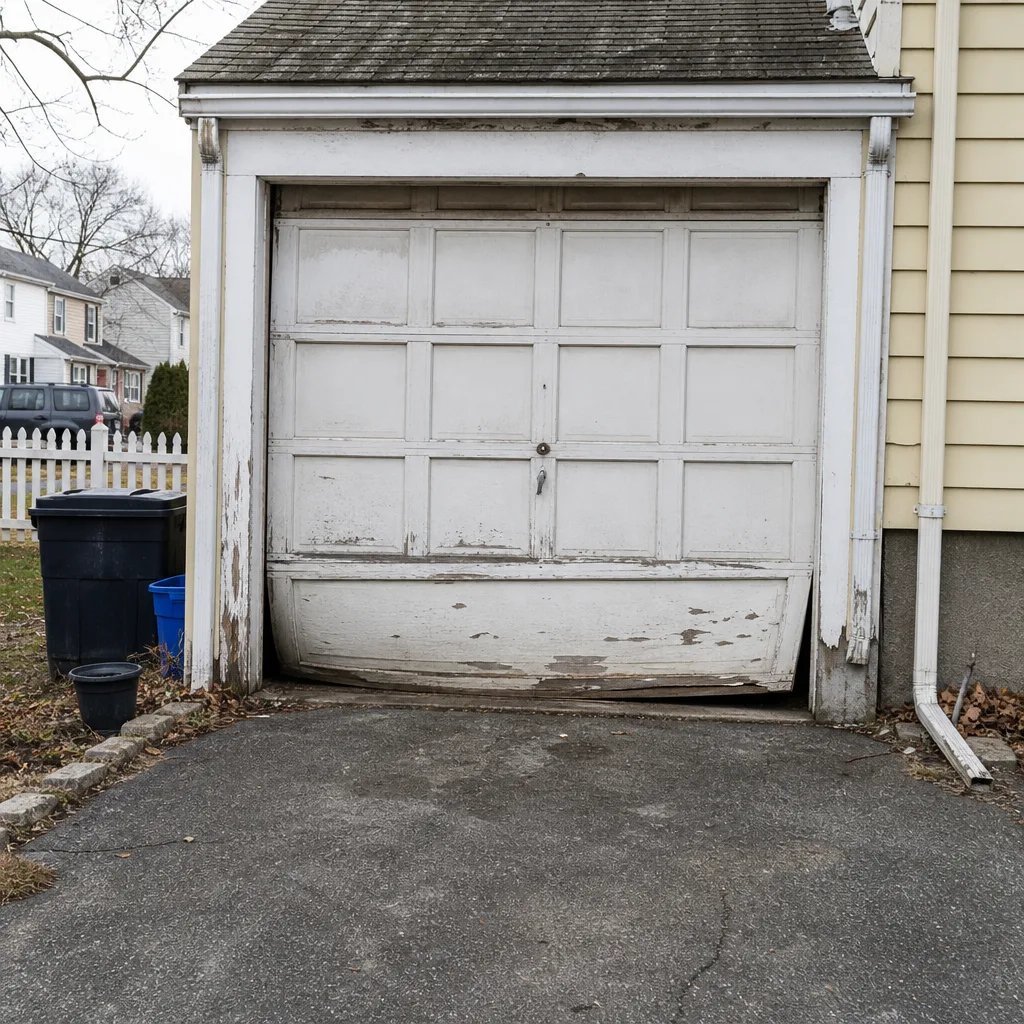 Before
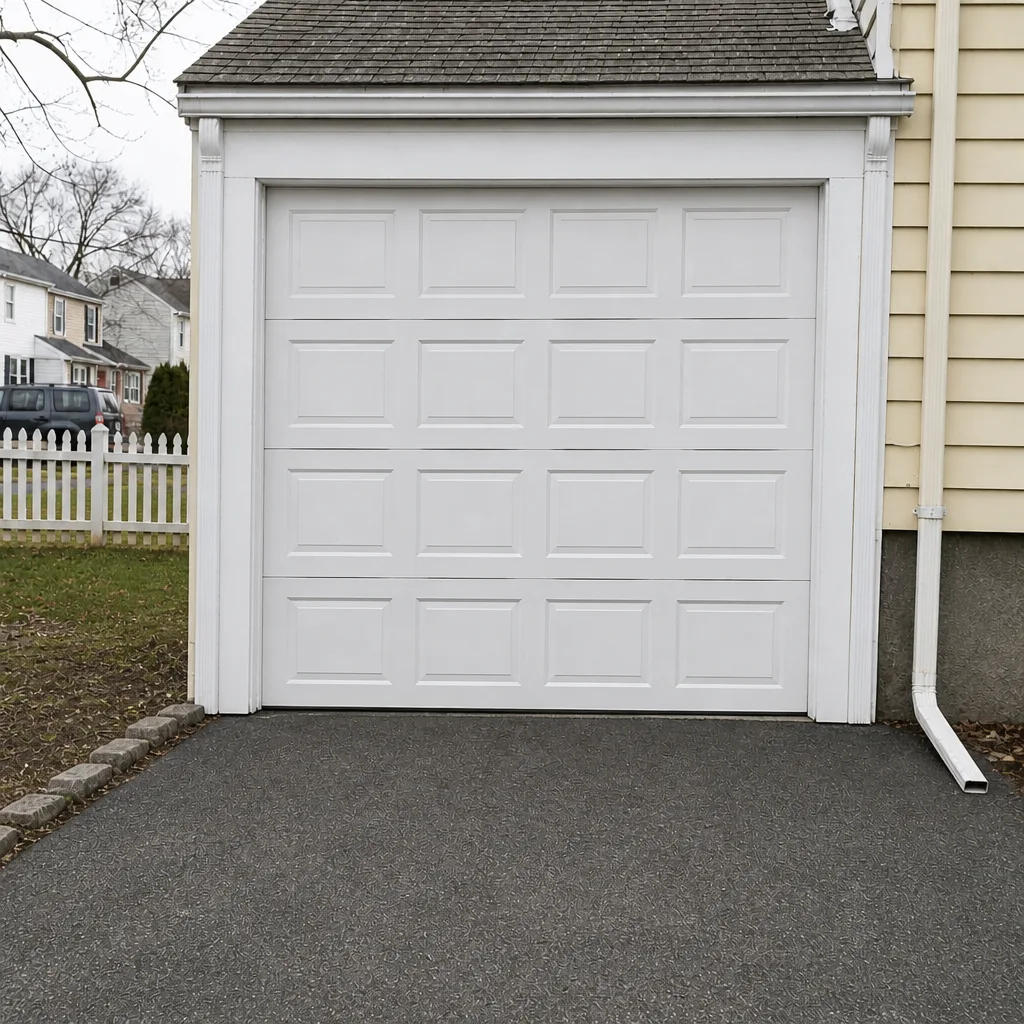 After
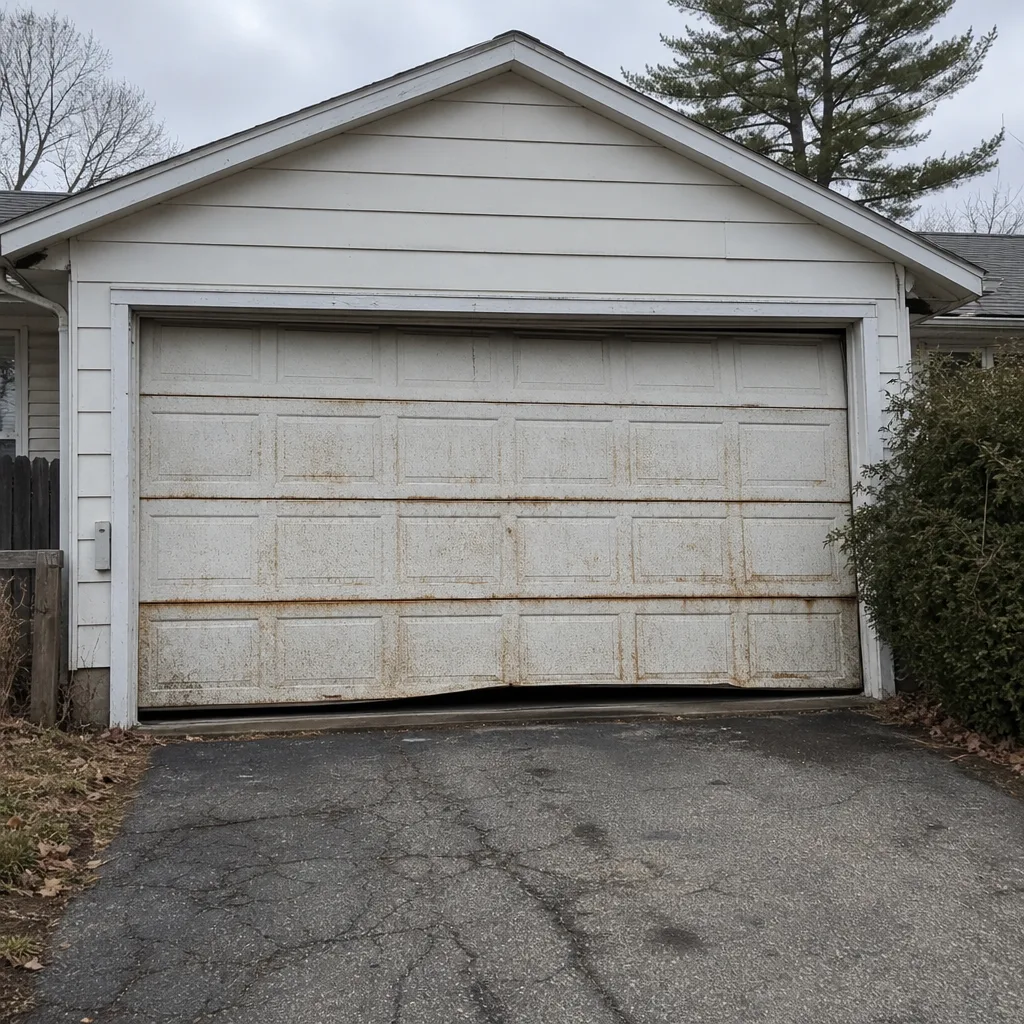 Before
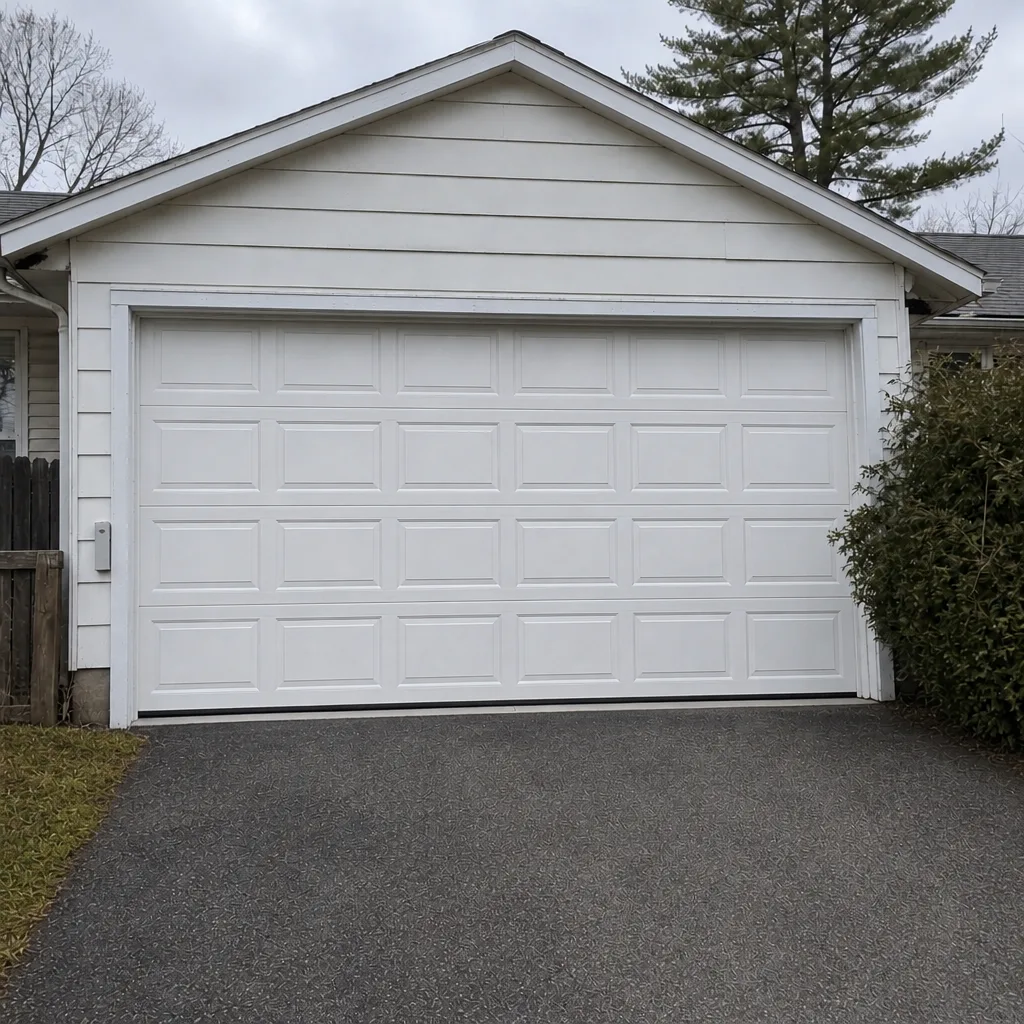 After
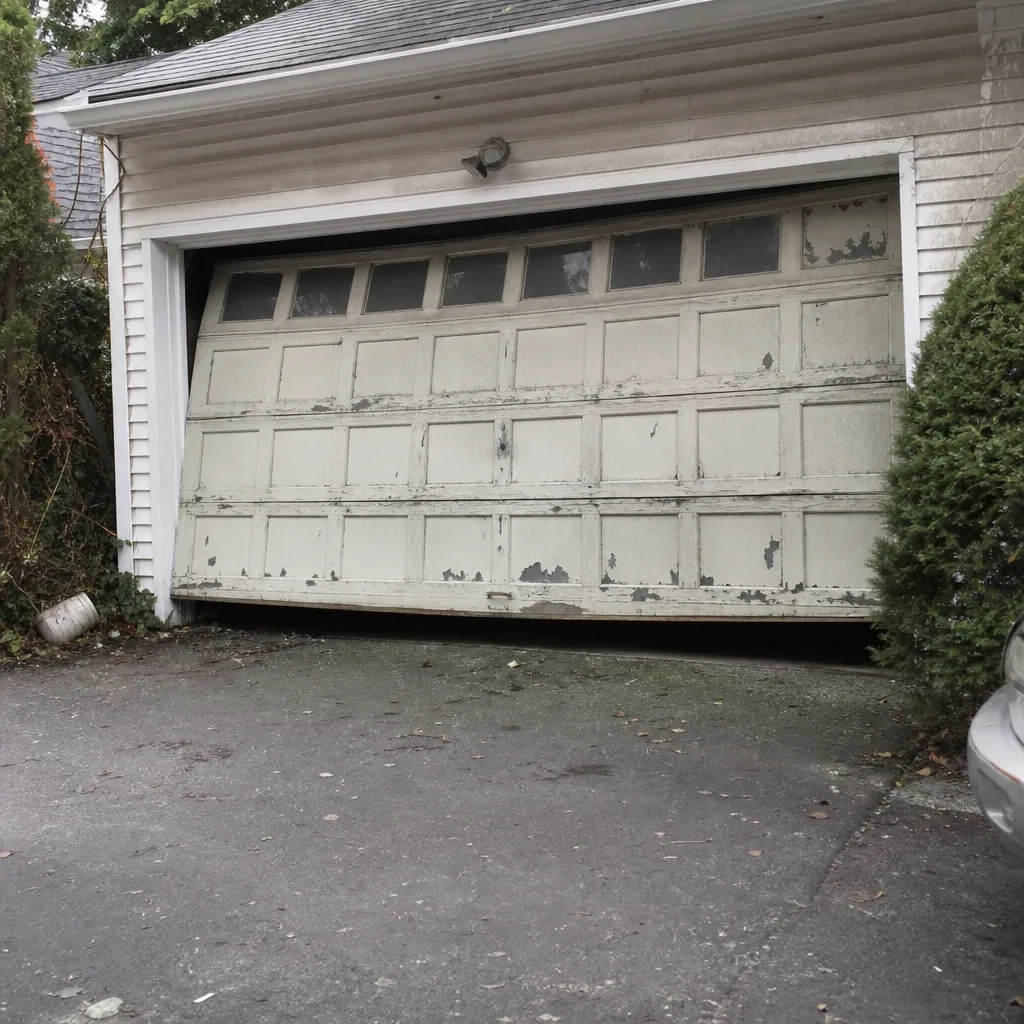 Before
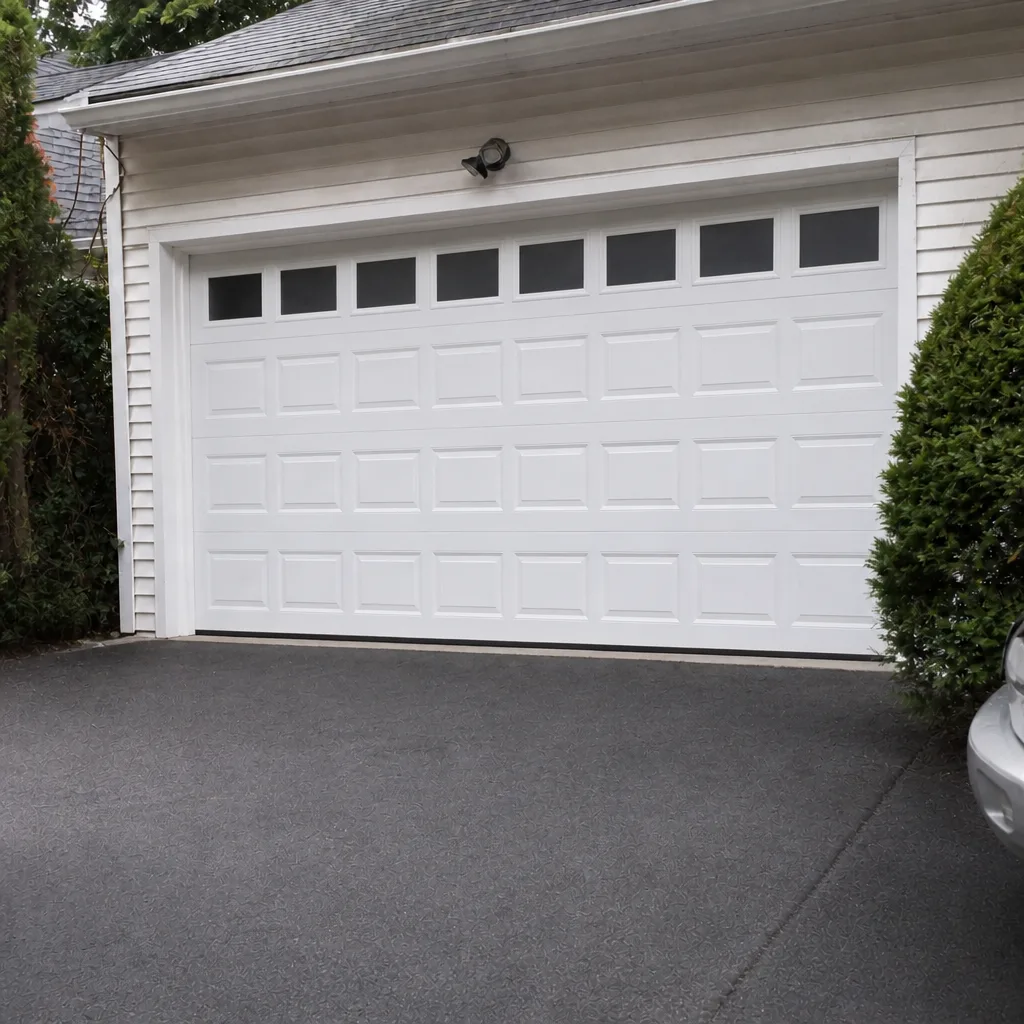 After
When to Call a Professional
Call a professional when the door won’t close completely (especially when it reverses unexpectedly), when you hear a loud snap from the spring area, when the door is visibly crooked or off-track, when the opener runs but the door doesn’t move, or when the safety reverse feature fails its test. These are cases where continuing to operate the door can make the damage worse or create a safety risk. For a fair number of smaller situations – a noisy door, a slow opener, a single roller that’s worn – a call is still worth making because the fix is usually straightforward and catches a bigger problem early.
Lynn Garage Door Service offers free estimates in Lynn – call (888) 902-1938. We answer 24/7. Fast dispatch from 7am to 7pm, Sunday through Friday. Our technicians have up to 15 years of experience, and the price is quoted and agreed before any work starts.
Frequently Asked Questions
Look for a sticker, engraved plate, or stamped marking on the inside face of the door and on the opener’s motor housing; most brands label clearly in one of those places. If you can’t find a marking, photograph the exterior panel pattern and the hinge design – most technicians can identify the brand from those. Knowing the brand matters because specific parts and programming steps differ. Call (888) 902-1938 for an exact quote – estimates are free.
Most repairs in Lynn can be handled the same day when you call before the schedule fills. Spring, cable, roller, and opener failures often finish in a single visit. Installations and full replacements are scheduled, not same-day, because doors are measured and ordered. Fast dispatch runs from 7am to 7pm, Sunday through Friday. Call (888) 902-1938 to check availability.
No, if you’ve documented the system before the visit, the written estimate you received is the price. Our process is to quote from measurements and photos, then confirm on site before any work begins. If something unexpected turns up – a hidden framing issue or an additional failed component – we stop and re-quote before touching anything. Call (888) 902-1938 for an exact quote.
Our technicians are experienced, with up to 15 years of experience, and work on the major garage door brands including LiftMaster, Chamberlain, Genie, and Raynor. Every job is quoted in writing before work starts, so you know what you’re paying for before anyone touches the door. Call (888) 902-1938 for an exact quote – estimates are free.
Broken springs are the most common repair, followed by opener failures and cable wear. Lynn’s older housing stock and the seasonal weather pattern both accelerate spring fatigue compared to newer construction. A spring replacement usually resolves the problem in one visit. Call (888) 902-1938 for an exact quote – estimates are free.
Yes, in most cases, though the mounting method will depend on your headroom, backroom, and sideroom. Low-headroom garages often need a side-mount or low-profile opener, and some installations require electrical work near the mounting point. We measure the actual space before recommending a unit. Call (888) 902-1938 for an exact quote – estimates are free.
The Bottom Line
Garage doors in Lynn work best when the door, opener, and framing are treated as one system, not three separate decisions. Measure before you order, inspect springs and hardware before the failure catches you off guard, and match any new equipment to the actual clearance you have. The housing stock here – triple-deckers, capes, colonial revivals, older attached garages – rewards that patient approach. The weather accelerates wear on the metal components, and the pre-war framing almost always complicates a modern install. None of that makes the job hard; it just means a generalist’s shortcut costs more in the long run. Lynn Garage Door Service works on the door you already have, because diagnosis before replacement is nearly always the right call.
If you’re ready to move from “something’s wrong” to “here’s what it will take,” call (888) 902-1938 for a free estimate. We answer 24/7. Fast dispatch from 7am to 7pm, Sunday through Friday. The price is quoted and agreed before any work starts, and the technician who diagnoses your door is the same one who fixes it.
Written by the team at Lynn Garage Door Service.